A clutch release bearing, also called a throwout bearing, is an important component in the clutch system. If you do not understand what a clutch release bearing or throwout bearing is, this guide will explain the key information you need to know.
After understanding this product, if you need to buy this type of bearing, you can contact BKZ Industry with your drawing, bearing number, sizes, samples, or other technical information. BKZ Industry is an ISO 9001-certified bearing manufacturer with two factories, offering clutch release bearings and other bearing products for different applications.
Part 1. What is Clutch Release Bearing?
I already explained the throwout bearing in detail in the Pilot Bearing vs Throwout Bearing comparison article. Here, I will explain it again in simple words.
A clutch release bearing, also called a throwout bearing or release bearing, is an important part of a manual transmission clutch system. It is located inside the clutch housing, between the engine and the gearbox. In most designs, it is mounted around the transmission input shaft and moves along the guide sleeve.
When the driver presses the clutch pedal, the clutch fork or hydraulic release system moves the clutch release bearing toward the diaphragm spring. The bearing presses the diaphragm spring and reduces the pressure plate’s clamping force on the clutch disc. As a result, the clutch disc is released, the engine and gearbox are temporarily disconnected, and power transmission is interrupted.
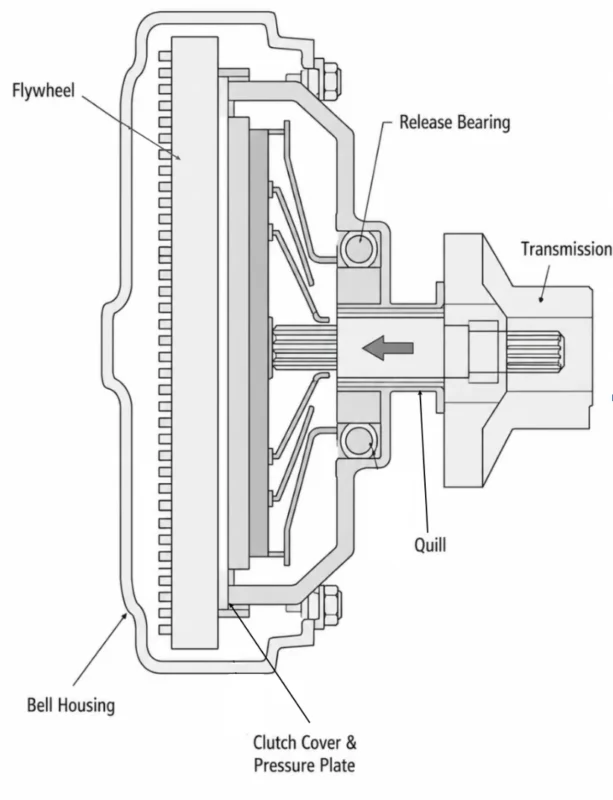
Now, after understanding what it is and how it works, you may want to know its key functions.
Key Functions of a Release Bearing
The main functions are:
- Transfer axial force to the diaphragm spring
When the clutch pedal is pressed, the clutch release bearing transfers axial force to the diaphragm spring of the pressure plate. This helps reduce the clamping force on the clutch disc and disengage the clutch. - Reduce friction between the release mechanism and rotating parts
The clutch release bearing allows smooth contact between the release mechanism and the rotating diaphragm spring. This helps reduce friction and wear during clutch operation. - Support axial load during clutch operation
The clutch release bearing needs to carry axial load when it acts on the diaphragm spring. This is why it must have good load capacity and stable running performance. - Help the clutch disengage smoothly
A good clutch release bearing helps the clutch release smoothly when the pedal is pressed. This can improve shifting comfort and reduce abnormal noise, vibration, and wear in the clutch system.
Part 2. Bad Release Bearing Symptoms
Now that you know what a clutch release bearing is, you may also want to know the common symptoms of a bad clutch release bearing. These symptoms can help you judge whether the clutch release bearing may be the problem.
- Abnormal noise when pressing the clutch pedal
One of the most common symptoms is noise from the clutch or transmission area when the clutch pedal is pressed. The noise may sound like whirring, growling, squealing, grinding, or rattling. In many cases, the noise becomes more obvious when the pedal is fully depressed and may reduce or disappear when the pedal is released. - Difficult to shift gears
If the clutch release bearing cannot work smoothly, the clutch may not disengage completely. This can make gear shifting difficult or cause gear grinding. - Hard clutch pedal
A damaged or seized clutch release bearing may make the clutch pedal feel heavier than normal. This can also happen if the guide sleeve, clutch fork, hydraulic system, or pressure plate has a problem. - Vibration or pulsation in the clutch pedal
A worn or damaged release bearing may cause vibration, pulsation, or rough pedal feel when pressing the clutch pedal. This usually means the bearing is not rotating smoothly or is not contacting the diaphragm spring evenly. - Hydraulic fluid leakage in some clutch systems
In some modern hydraulic clutch systems, the release bearing may be integrated with a concentric slave cylinder. If this type of hydraulic release bearing fails, you may see hydraulic fluid leakage or experience a soft clutch pedal.
Part 3. What Causes Clutch Release Bearing to Fail
After knowing the common symptoms of a bad clutch release bearing, it is also important to understand what causes a clutch release bearing to fail. Finding the correct cause can help you choose the right solution.
- Lubrication failure inside the bearing
Most clutch release bearings are sealed and pre-lubricated. They are not usually designed for re-lubrication during use. However, after long-term operation, the internal grease may age, break down, leak out, or become contaminated. When lubrication is poor, the bearing will generate more friction and heat, which can cause abnormal noise, rough rotation, or bearing seizure. - Misalignment or improper installation
If the clutch release bearing is not installed correctly, or if it does not move in the designed line, it may contact the diaphragm spring unevenly. This can cause noise, vibration, uneven wear, and shorter bearing life. A worn guide sleeve, bent clutch fork, or incorrect installation can also lead to this problem. - Constant pressure on the clutch pedal
Keeping the foot on the clutch pedal for a long time can keep the release bearing in contact with the diaphragm spring. This makes the bearing rotate under load for longer than necessary, which increases heat, wear, and the risk of early failure. - Contamination from dust, oil, or clutch debris
The clutch release bearing works inside the clutch housing. If dust, clutch wear particles, oil, or dirt enter the bearing area, they can affect bearing movement and damage the sealing or contact surfaces. This may lead to noise, rough operation, or bearing failure. - Heat and overload
High temperature from clutch slipping, heavy-duty use, or poor clutch operation can damage the grease and bearing material. Excessive axial load can also overload the bearing and cause premature failure. - Bearing damage or wear
After long-term use, the bearing may become worn, noisy, loose, or damaged. If the bearing is cracked, seized, or cannot rotate smoothly, it should be replaced.
Part 4. How to Lubricate This Type of Bearing?
As mentioned before, lubrication failure inside the clutch release bearing can cause noise, rough rotation, overheating, or bearing failure. So you may ask: how do you lubricate a clutch release bearing?
In most cases, a clutch release bearing is a sealed and pre-lubricated bearing. It is not designed to be re-lubricated during use. If the internal grease has aged, broken down, leaked out, or become contaminated, the correct solution is usually to replace the clutch release bearing, not to open it and add grease again.
Part 5. How to Replace a Clutch Release Bearing
So, even lubrication issues usually require replacing the clutch release bearing. So, whether the clutch release bearing problem is caused by lack of lubrication, overload, heat, dust, oil contamination, or other reasons, the main solution is to remove the clutch system, check the clutch release bearing, and replace it if necessary. So, how do you replace a clutch release bearing?
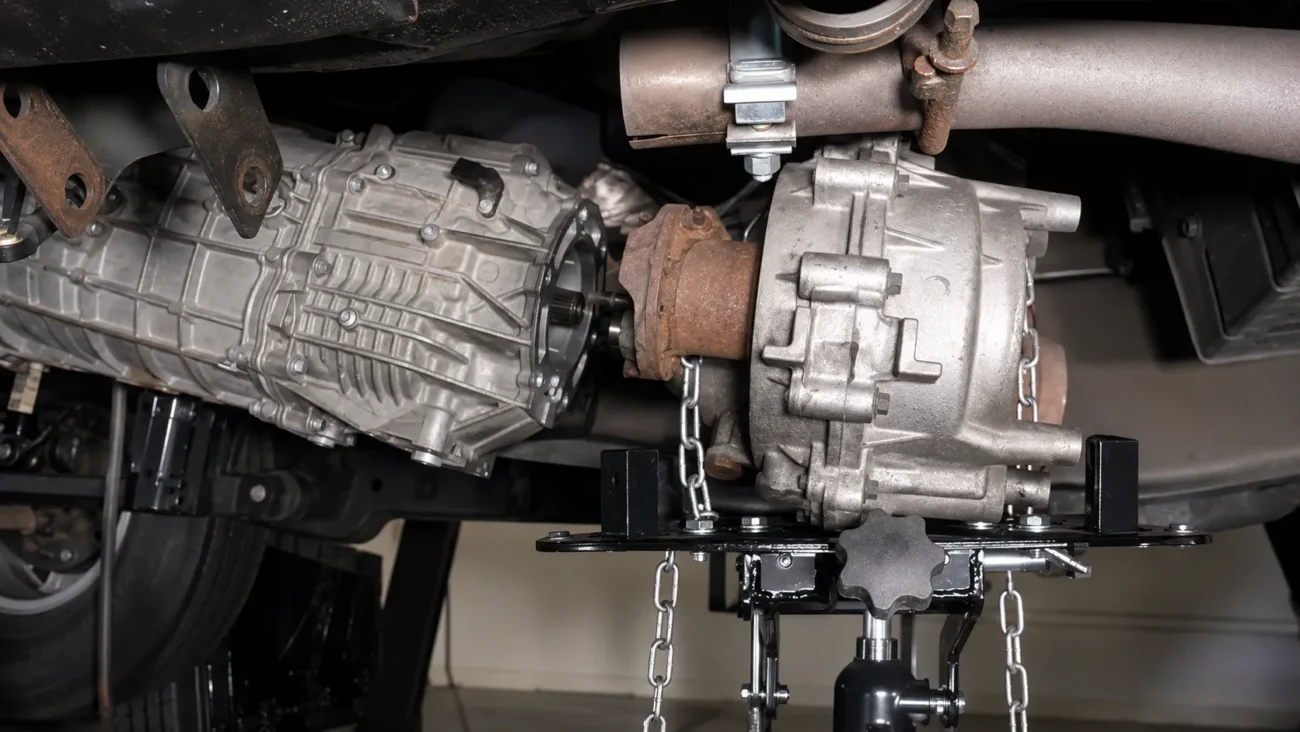
Step 1. Remove the transmission
Remove the gearbox or transmission to access the clutch housing and the clutch release bearing.
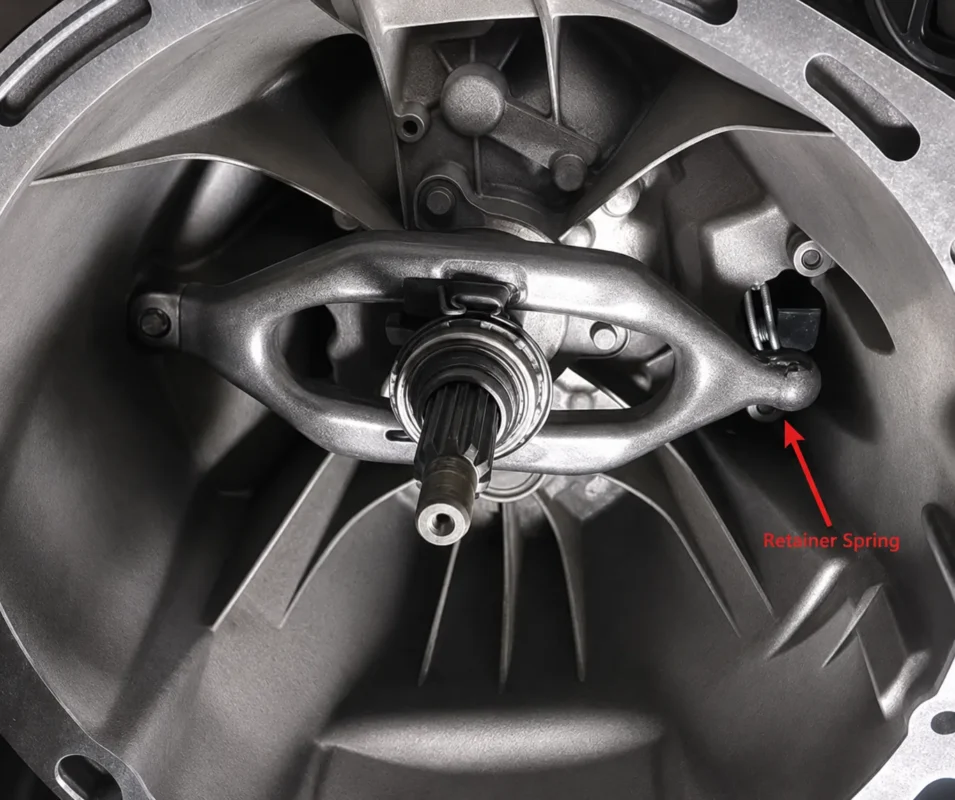
Step 2. Remove the retainer spring if required
In some clutch fork designs, a retainer spring holds the release fork or bearing in position. Remove it carefully.
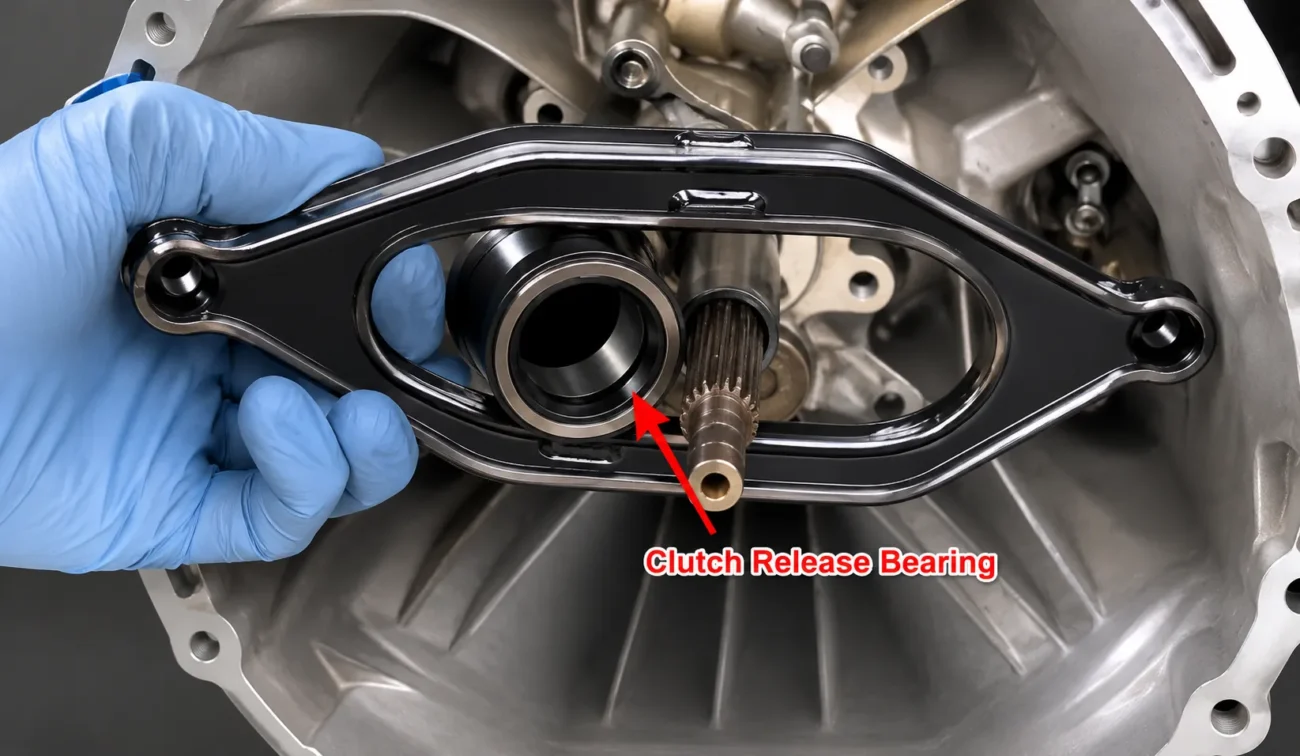
Step 3. Remove the release fork and bearing assembly
Slide out the release fork and old bearing assembly if the design requires it.
Step 4. Remove the old bearing from the release fork
If the bearing is clipped onto the fork, release the retaining tabs or clips and remove the old bearing from the fork.
Step 5. Inspect related parts
Check the release fork, fork pivot, retainer spring, guide sleeve, diaphragm spring, pressure plate, and clutch disc. If any parts are worn, bent, damaged, or contaminated, they should also be repaired or replaced.
Step 6. Clean the working area
Clean old grease, clutch dust, oil, and dirt from the guide sleeve, fork pivot, and fork contact points. This helps the new bearing move smoothly and makes inspection easier.
Step 7. Apply suitable grease where needed
Apply a small amount of suitable high-temperature grease to the guide sleeve, clutch fork pivot, and fork contact points according to the manufacturer’s instructions. Do not apply too much grease, because excess grease may contaminate the clutch disc, pressure plate, or flywheel.
Step 8. Install the new clutch release bearing
Install the new release bearing onto the clutch fork or guide sleeve correctly. Make sure it is securely fitted and properly aligned.
Step 9. Check the movement
Before reinstalling the transmission, make sure the clutch release bearing moves smoothly along the guide sleeve and the clutch fork operates correctly.
Step 10. Reinstall the transmission and test the clutch
Reinstall the transmission and test the clutch pedal. The clutch pedal should feel smooth, and there should be no abnormal noise, vibration, or difficulty shifting gears.
Part 6. Clutch Release Bearing Manufacturer to Buy Clutch Release Bearing
When you need to replace a clutch release bearing, you need to buy a suitable replacement bearing from a reliable clutch release bearing manufacturer or supplier.
Repair companies, auto parts distributors, and repair shops can contact BKZ Industry to buy the clutch release bearings they need. BKZ Industry is a bearing manufacturer from China and can offer clutch release bearings based on your drawing, bearing number, size, sample, quantity, or other technical information.
After receiving your requirements, the BKZ Industry team will check the details, offer a suitable solution, and send you a quotation.
Why choose the BKZ Industry?
- BKZ Industry can offer many types of bearings you need.
- BKZ Industry has two factories and can produce bearings according to your requirements. With stable production capacity, it can support long-term supply.
- BKZ Industry has 15 years of bearing manufacturing and exporting experience, helping customers source suitable bearings for different applications.
Part 7. FAQS
If you confirm that your clutch release bearing is broken, you should not continue driving with a bad release bearing. It can affect gear shifting, make the vehicle difficult to drive normally, and may also affect your safety.
In most cases, you do not need to grease a clutch release bearing because the bearing is usually sealed and pre-lubricated. During installation, only related contact areas, such as the guide sleeve or clutch fork contact points, may need a small amount of suitable grease.
It is difficult to know exactly how long a noisy clutch release bearing will last. The noise may continue whenever you press the clutch pedal, but the bearing may fail further over time. It is better to inspect and replace it as soon as possible.
A clutch release bearing may cost from $15 to $500, or even more, depending on the bearing design, vehicle model, quality, and supplier.
The replacement cost may be about $500 to $2,000. The clutch release bearing itself may cost about $15 to $500, and the labor cost may be about $450 to $1,500, depending on the vehicle and repair shop.
If the noise is confirmed to come from the clutch release bearing, it is recommended to replace the bearing to avoid further clutch problems.
Final Words
Do you now have an answer to what a clutch release bearing is? If still not, no worries. You only need to know what clutch release bearing you need to buy and send the bearing name, size, drawing, sample, bearing number, or other technical information to BKZ Industry. The BKZ Industry team will help you select the suitable bearing and send you a quotation.