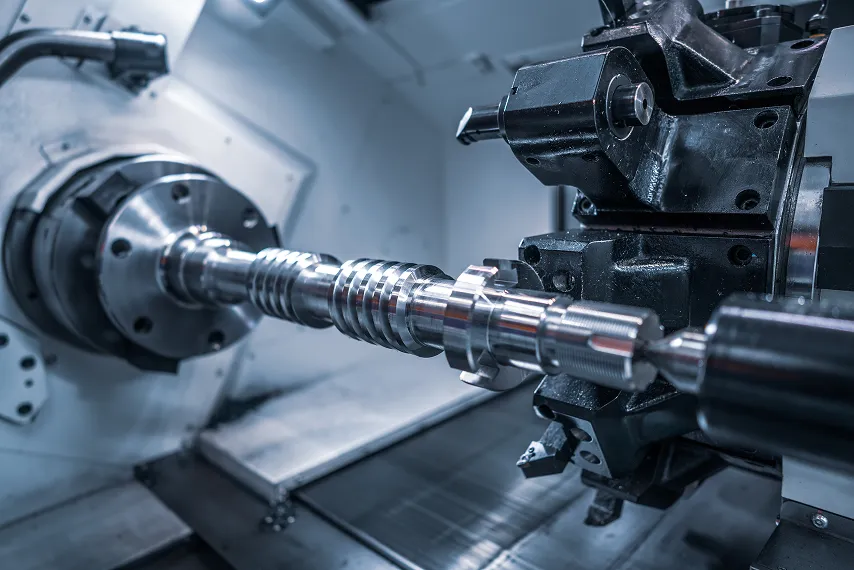
Built for High Speed, Low Friction, Low Noise, Low Vibration, and Stable Running Accuracy
Motor bearings are designed to support the shaft system, keep the rotor running stably, maintain correct shaft position and running accuracy, and carry radial and possible axial loads. They also reduce friction, wear, vibration, and noise, help manage operating heat, and improve motor efficiency, reliability, and service life. In inverter-driven motors and EV systems, insulated or hybrid bearings can help prevent electrical erosion and fluting.
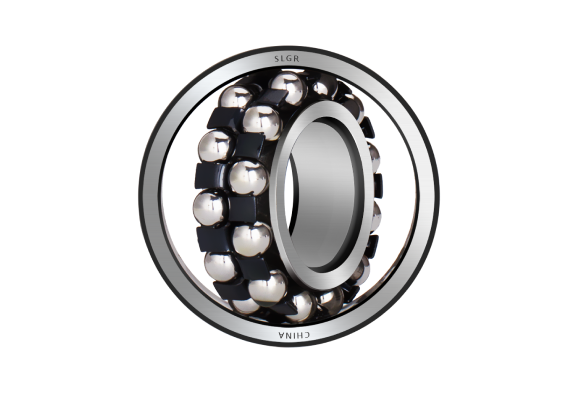
BKZ Industry manufactures deep groove ball bearings, cylindrical roller bearings, angular contact ball bearings, insulated ball bearings, insulated cylindrical roller bearings, hybrid ceramic bearings, self-aligning ball bearings, and sleeve or plain bearings for industrial motors.
With 15 years of bearing manufacturing experience, BKZ Industry offers material and design options such as high-carbon chromium bearing steel, cleaner EMQ-grade steel, stainless steel for corrosive or humid environments, silicon nitride ceramic balls for hybrid bearings, pressed steel, machined brass, polyamide, and PEEK cages, NBR, HNBR, FKM, and PTFE seals, and polyurea grease, lithium complex grease, synthetic grease, PAO-based lubricants, and oil lubrication for high-speed or large motors. For electrical protection, solutions include ceramic-coated rings, insulating layers, and hybrid designs with ceramic rolling elements.
Under complex electric motor operating conditions, bearings must perform reliably against many challenges.
Poor lubrication film formation during start-stop, low-speed, or variable-speed operation
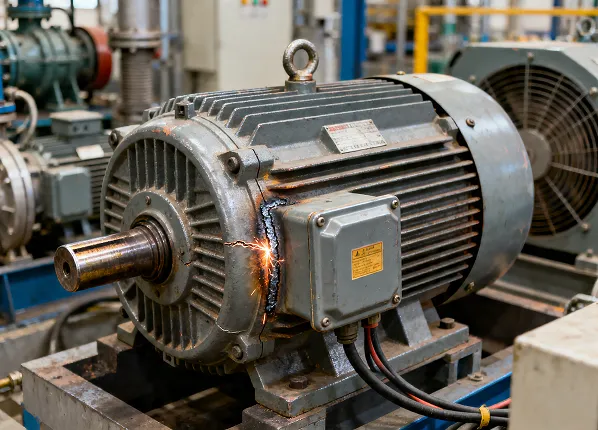
Shaft current and electrical discharge damage especially in inverter-driven motors and large motors, which can lead to electrical erosion, fluting, and pitting
High and continuous operating speed in applications such as compressors, blowers, fans, pumps, and spindles
Long operating hours in applications where motors run continuously for many hours each day or 24/7
Radial and axial load combination
from belt tension, gear forces, coupling conditions, thermal growth, or motor design
Dust, moisture, and chemical contamination
in harsh industrial environments
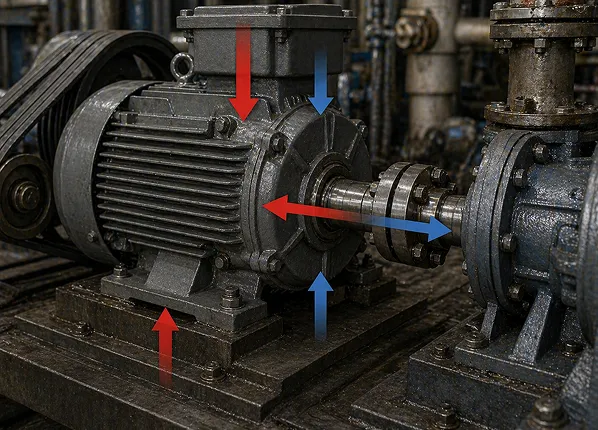
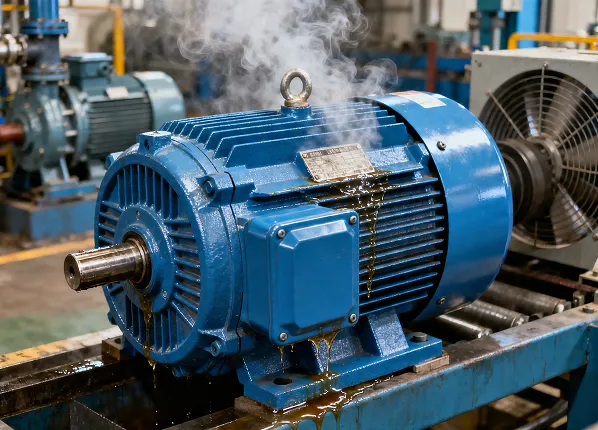
Heat buildup caused by high speed, lubrication shear, excessive grease fill, unsuitable lubrication, heavy loads, incorrect preload or clearance, misalignment, poor fits, or limited heat dissipation
Vibration and noise sensitivity caused by incorrect fits, out-of-round bearing seats, misalignment, or improper mounting force
BKZ Industry Solutions for Electric Motor Bearing
Challenges
Industrial motor bearings face challenges such as high speed, long operating hours, heat, vibration, contamination, and electrical current damage. BKZ Industry addresses these challenges through specialized materials, internal design optimization, lubrication systems, sealing solutions, and manufacturing control, helping bearings run more smoothly, reliably, and efficiently in different motor applications.
Customized Materials for Different Applications
BKZ Industry selects materials according to motor operating conditions. EMQ-grade bearing steel helps improve running smoothness and reduce noise. Silicon nitride ceramic balls in hybrid bearings reduce electrical conductivity, lower rolling element mass, and improve speed capability. Stainless steel, suitable seal materials, and proper grease options are also used for humid, corrosive, dusty, or electrically demanding environments.
Optimized Internal and Raceway Designs
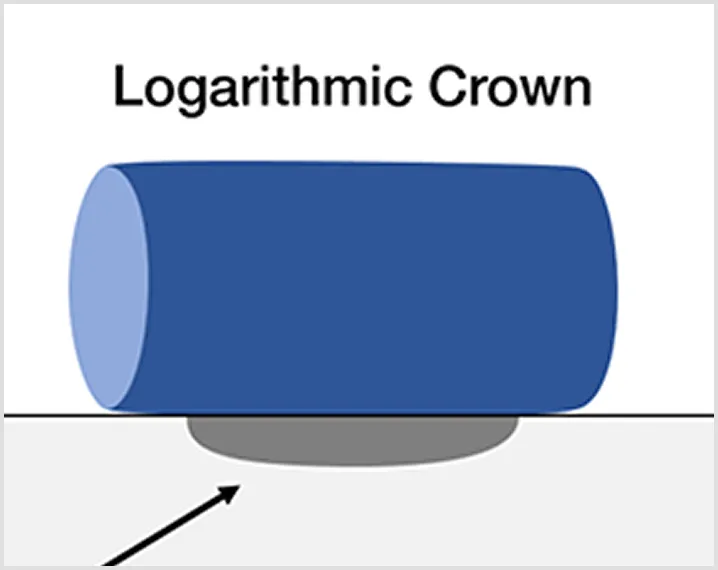
Proper internal clearance, optimized raceway geometry, improved rolling element guidance, and low-friction internal design help motor bearings reduce heat, vibration, and noise. These design improvements also support smoother running, better load distribution, and more stable performance. In applications with shaft thermal expansion, suitable locating and non-locating bearing arrangements help maintain correct operating conditions.
Condition Monitoring Systems
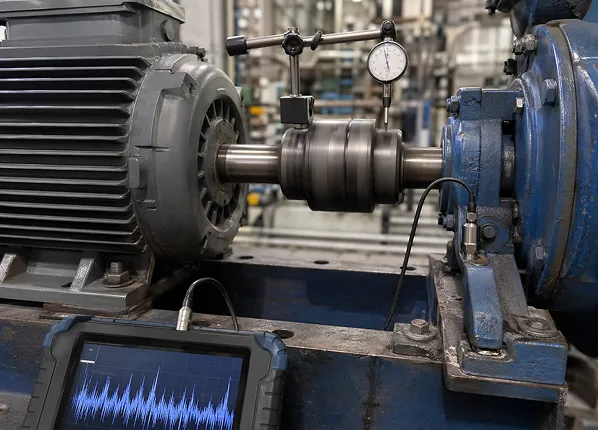
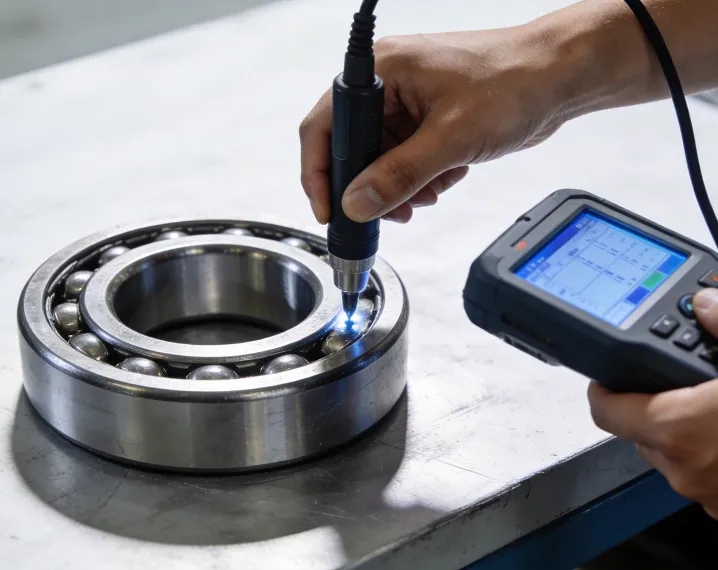
Condition monitoring helps detect bearing problems before failure occurs. Common methods include vibration monitoring, temperature monitoring, lubrication condition monitoring, acoustic or ultrasonic inspection, and shaft voltage or bearing current monitoring in inverter-driven motors. Portable inspection tools or online monitoring systems can be selected to reduce unplanned downtime and improve maintenance planning.
Optimized Lubrication Systems
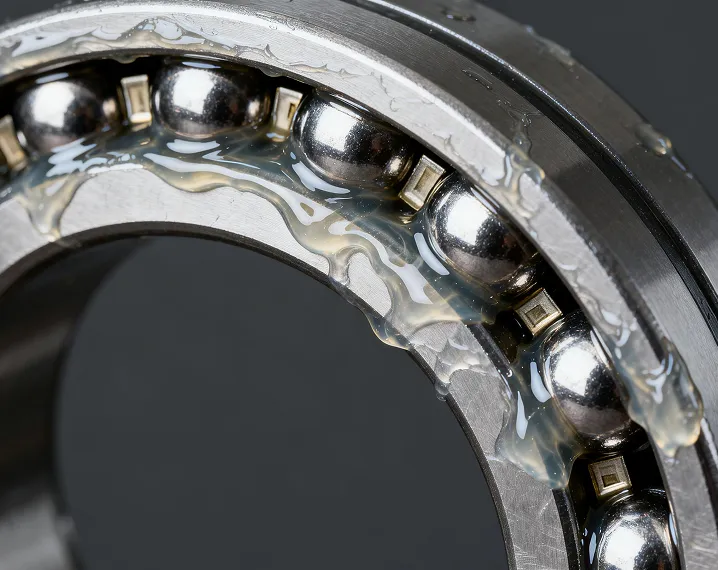
Proper lubrication is critical for motor bearing life and running stability. BKZ Industry can provide grease or oil lubrication solutions based on speed, load, temperature, and service conditions. Options may include polyurea grease, lithium complex grease, synthetic grease, sealed-for-life lubrication, relubrication designs, automatic grease supply, or oil lubrication for larger or higher-speed motors.
Improved Sealing and Contamination Protection
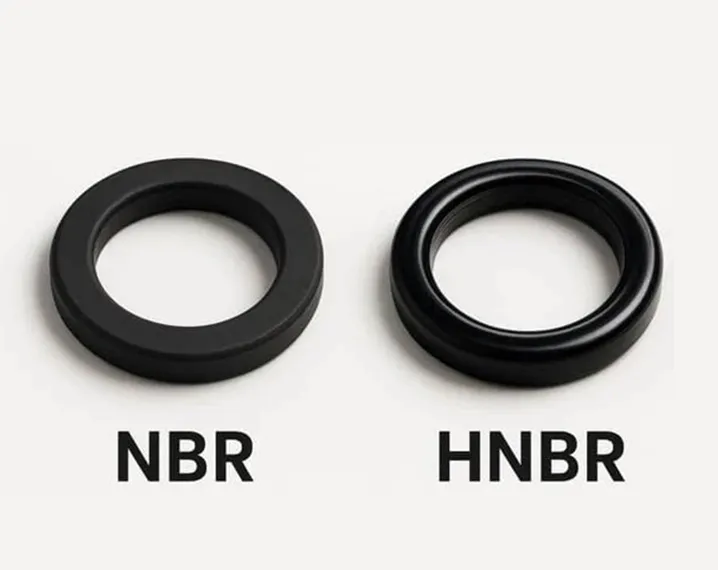
Sealing solutions help motor bearings resist dust, moisture, and other contaminants in harsh operating environments. Available options can include contact seals, non-contact seals, low-friction seals, labyrinth seals, bearing isolators, and housing sealing structures. Seal materials such as NBR, HNBR, FKM, and PTFE are selected according to temperature, lubricant compatibility, and environmental conditions.
High-precision Manufacturing and Balancing Support
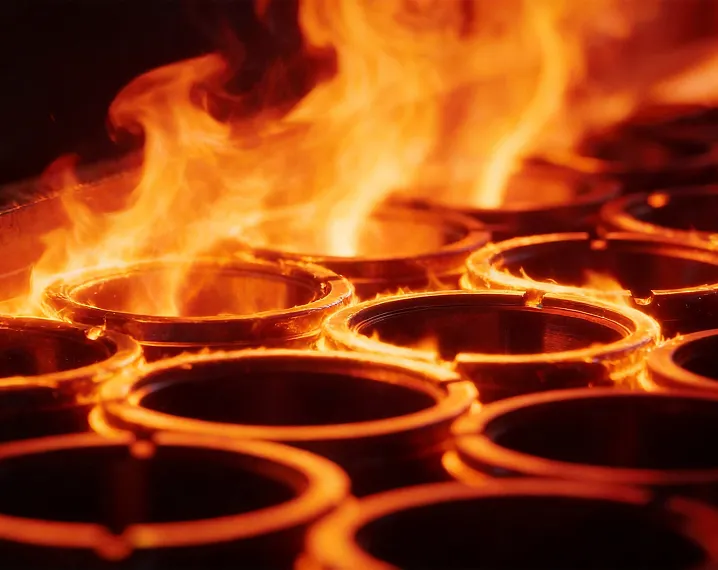
High manufacturing accuracy helps motor bearings run more smoothly and quietly. Through tighter tolerance control, better raceway accuracy, finer surface finishing, and optimized heat treatment, BKZ Industry helps reduce vibration, noise, and running error. Support for better rotor balance also helps improve rotational stability, especially in high-speed and low-noise motor applications.
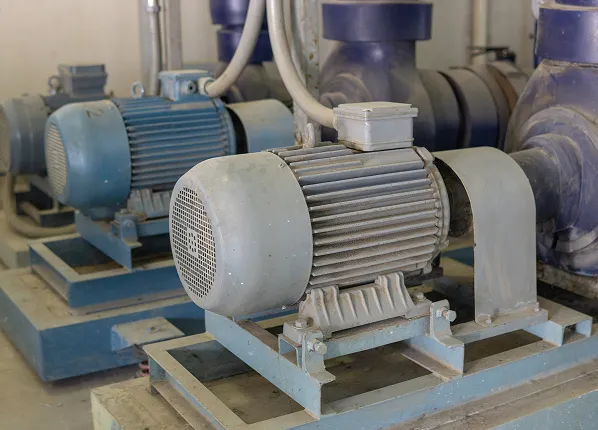
Bearings are used at key support positions in industrial motors serving pumps, fans, compressors, conveyors, HVAC systems, automation equipment, and many other drive applications.
Drive End (DE)
Non-Drive End (NDE)
Belt-Driven Motors
Gear-Driven Motors
Fan Motors
Pump Motors
Compressor Motors
Blower Motors
Conveyor Drive Motors
*Our bearing solutions can also be used in other motor positions and application conditions not listed here. Contact BKZ Industry for bearing selection support based on your operating requirements.
Electric Motor Bearing Types
Different bearing types are used in electric motors to handle varying speeds, loads, lubrication conditions, and operating requirements.
Deep Groove Ball Bearings
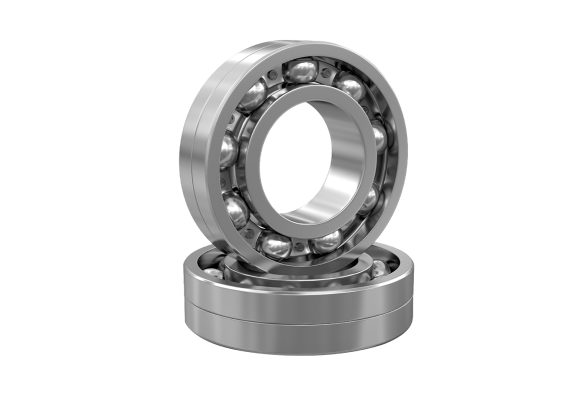
The standard choice for most electric motors, this design uses deep raceway grooves to keep friction low while supporting radial load and moderate axial load. It performs especially well in small and medium motors running at high speed, so it is commonly fitted at both the drive end and non-drive end.
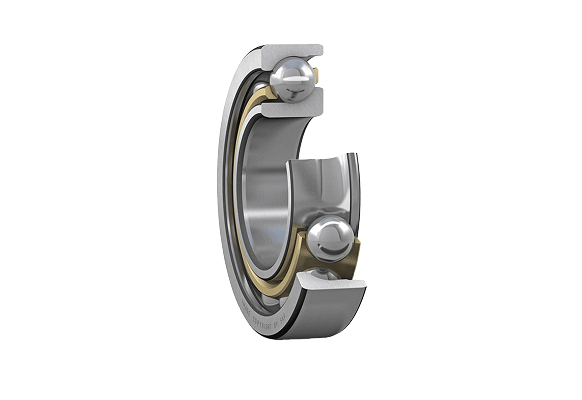
When an electric motor needs better axial control, this type becomes more suitable than a standard deep groove design. Its contact angle allows it to handle combined loads more effectively, making it a strong option for servo motors, precision motors, and other motor systems where speed and positioning accuracy both matter.
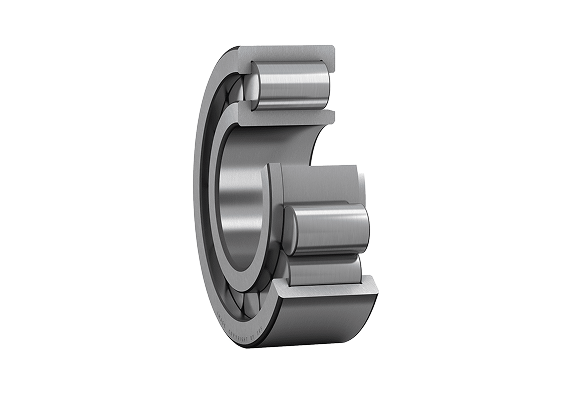
Higher radial load is where this bearing shows its value in a motor. The cylindrical roller structure creates line contact instead of point contact, giving the bearing more rigidity and carrying capacity. It is often selected for larger industrial motors, especially in belt-driven or gear-driven arrangements where shaft load is heavier.
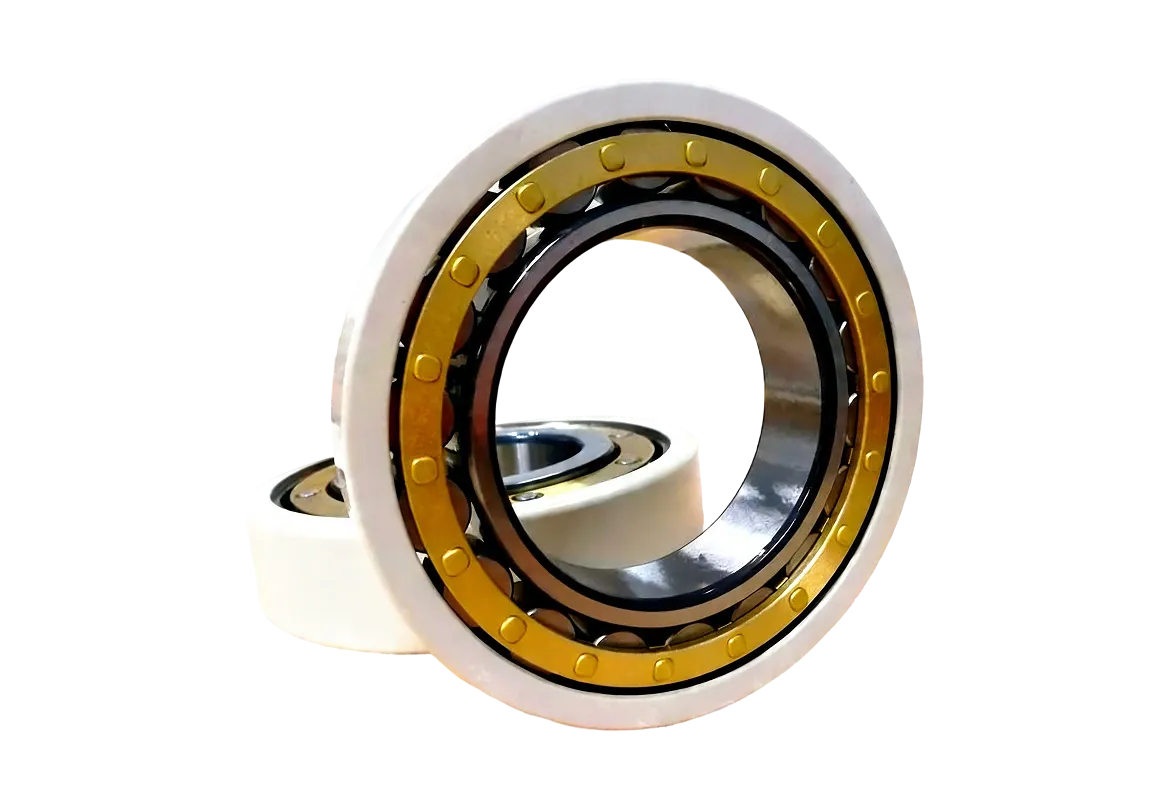
In inverter-driven motors, current damage can become a major bearing failure risk, and this is where insulated ball bearings are important. They keep the familiar low-friction ball bearing structure, but add an insulating layer to interrupt stray current flow, helping protect motor bearings from electrical erosion, pitting, and fluting.
Insulated Cylindrical Roller Bearings
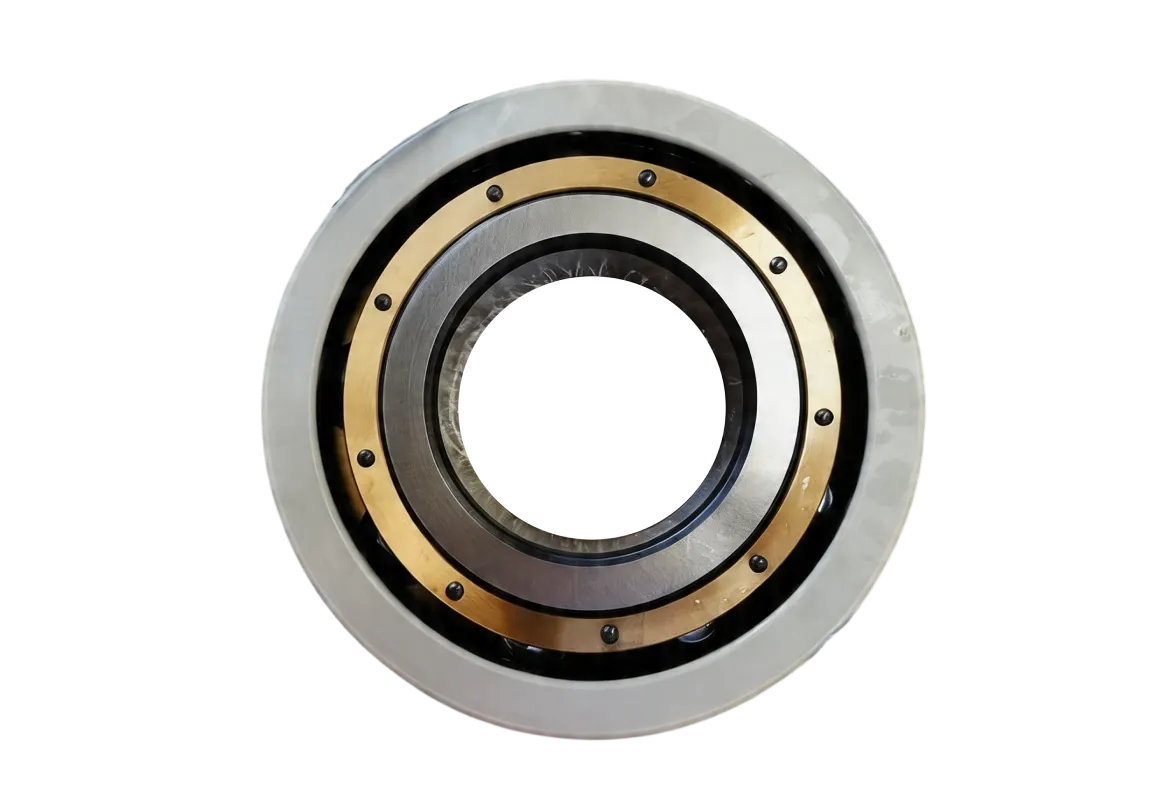
This type is used when a motor needs both electrical protection and stronger radial load support. By combining roller-bearing load capacity with insulation technology, it fits demanding industrial motor positions more effectively than an insulated ball bearing alone, particularly in large motors and VFD-driven systems under heavier operating loads.
Hybrid Ceramic Ball Bearings
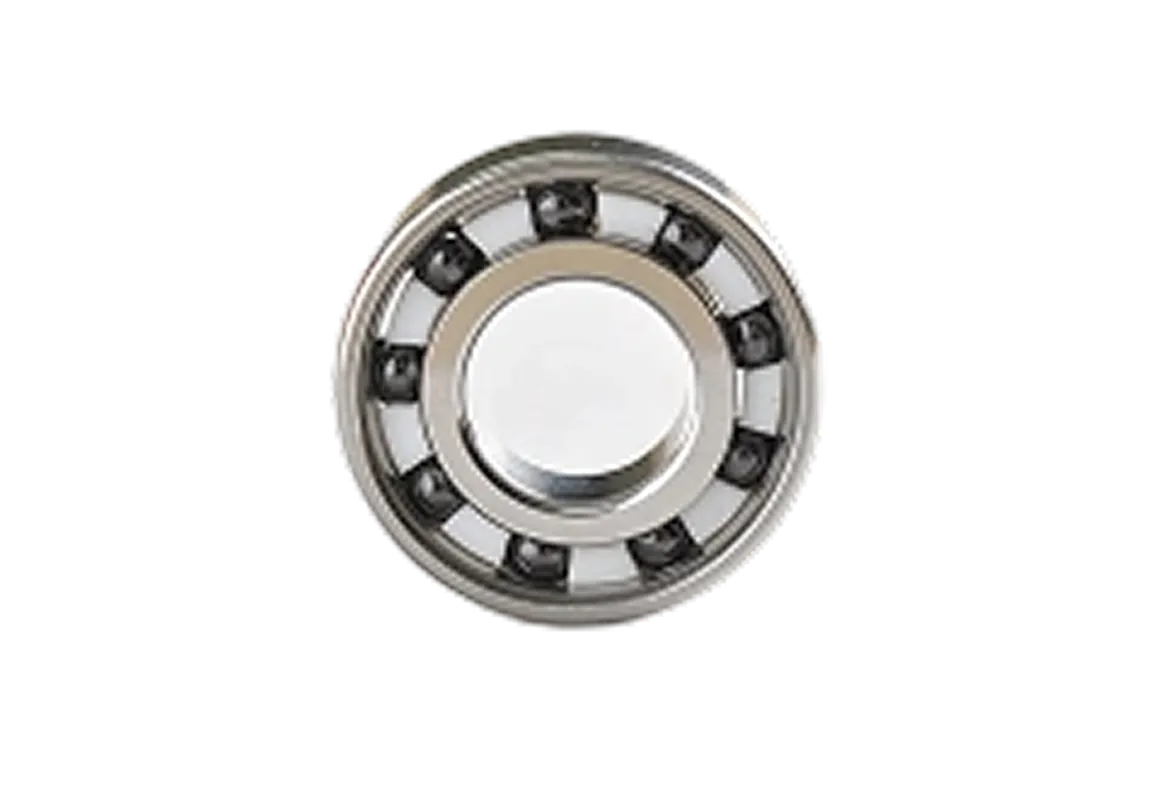
Instead of using all-steel rolling elements, this bearing uses ceramic balls to improve motor performance in several ways at once. The lower mass helps reduce heat and vibration at higher speed, while the non-conductive ceramic material helps limit current passage, making it well suited for premium motors, inverter-duty motors, and high-speed electric drives.
Some motor applications cannot maintain perfect shaft and housing alignment during operation, and this bearing is designed specifically for that situation. Its self-aligning internal geometry allows it to tolerate misalignment more easily, which makes it useful in motors exposed to mounting error, shaft deflection, or less rigid surrounding structures.
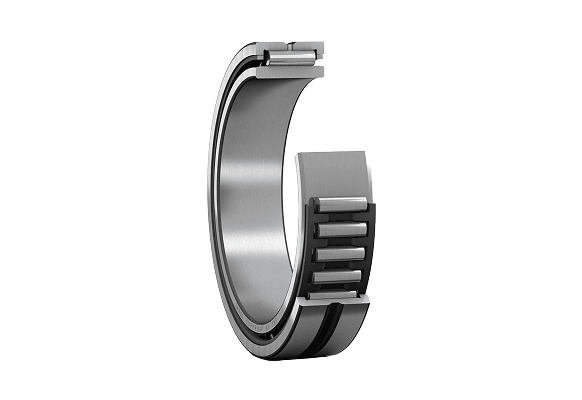
Space limitation is the main reason this bearing is used in motor-related systems. Its slim roller design delivers relatively high radial load capacity without requiring much radial space, so it is more often found in compact auxiliary motors or specialized motor assemblies rather than in the main bearing positions of standard industrial motors.
Send us your bearing model, quantity, brand or reference brand if any, and any available bearing details. For non-standard or customized requirements, please provide drawings, dimensions, and application information. Our team will reply quickly with pricing and suitable solutions.
Send us the product name or model, quantity, and requirements for a fast quote and suitable solution. Use the form below or contact us at sales@bkzindustry.comor +86 18901426056 (WhatsApp/phone).