Bushings and bearings are often confused and used in many similar applications. However, in some cases, you may need to use a bushing instead of a bearing. You may ask: when and why should you use a bushing rather than a bearing?
To answer this question, you first need to understand what bushings and bearings are, including their purposes and common types. Then, you need to clearly understand the differences between them. After that, you will be able to determine when and why to use a bushing instead of a bearing.
If you need to buy bushings or bearings in bulk from a Chinese bearing manufacturer, you can consider BKZ Industry. With more than 15 years of bearing manufacturing experience and two factories, BKZ Industry can produce the bearings and bushings you need while providing stable delivery and reliable quality. Contact BKZ Industry now to request a quotation.
Now, let us first understand what bushings and bearings are so that you can better determine when to use a bushing instead of a bearing.
Part 1. What Are Bushings and Bearings?
Are bushings and bearings the same thing? The answer is no.
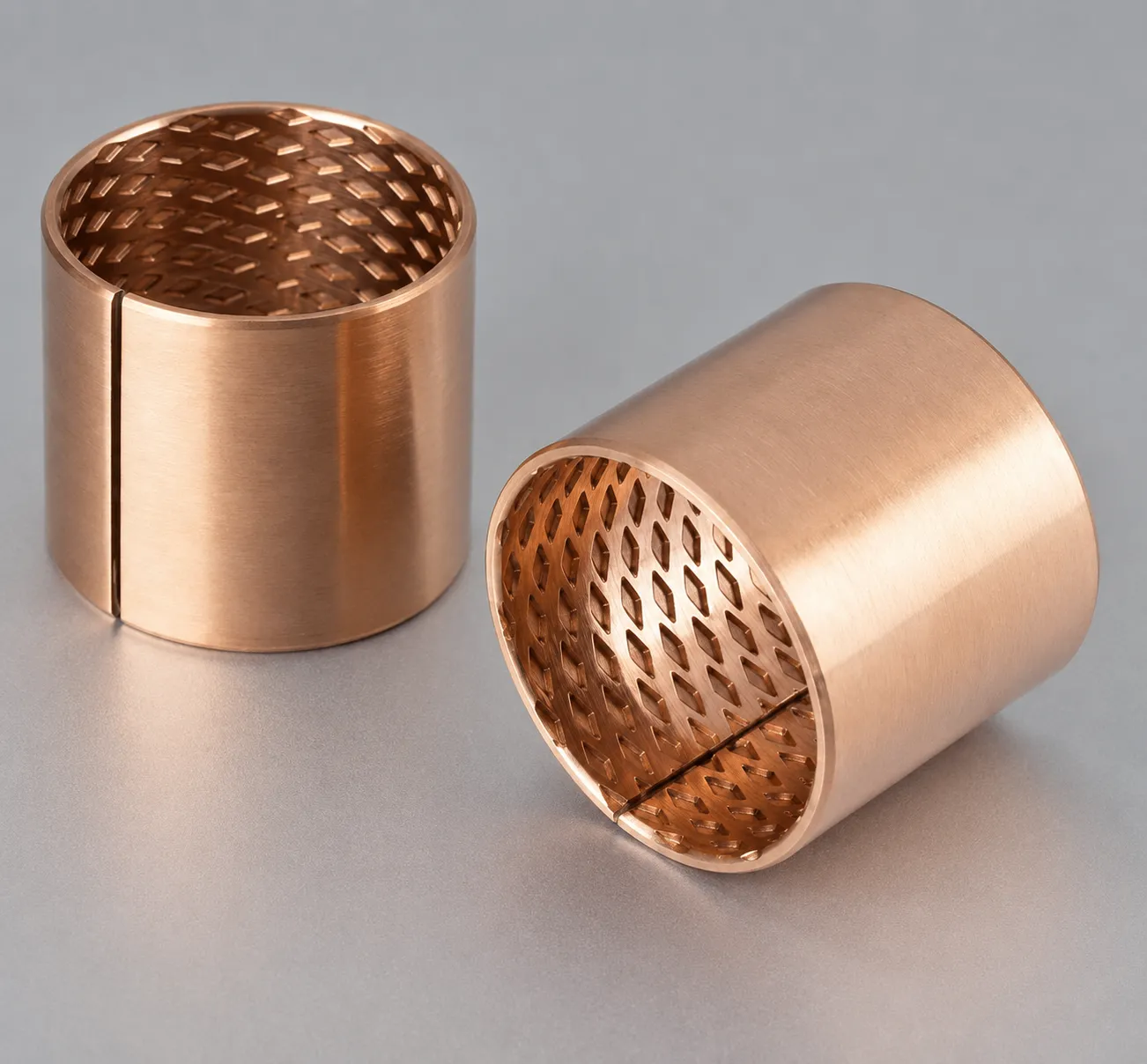
A bushing is a type of plain bearing, usually with a cylindrical sleeve structure. It is installed between a shaft and a housing to support the shaft, reduce sliding friction and wear, and help the shaft rotate, oscillate, or move smoothly and stably.
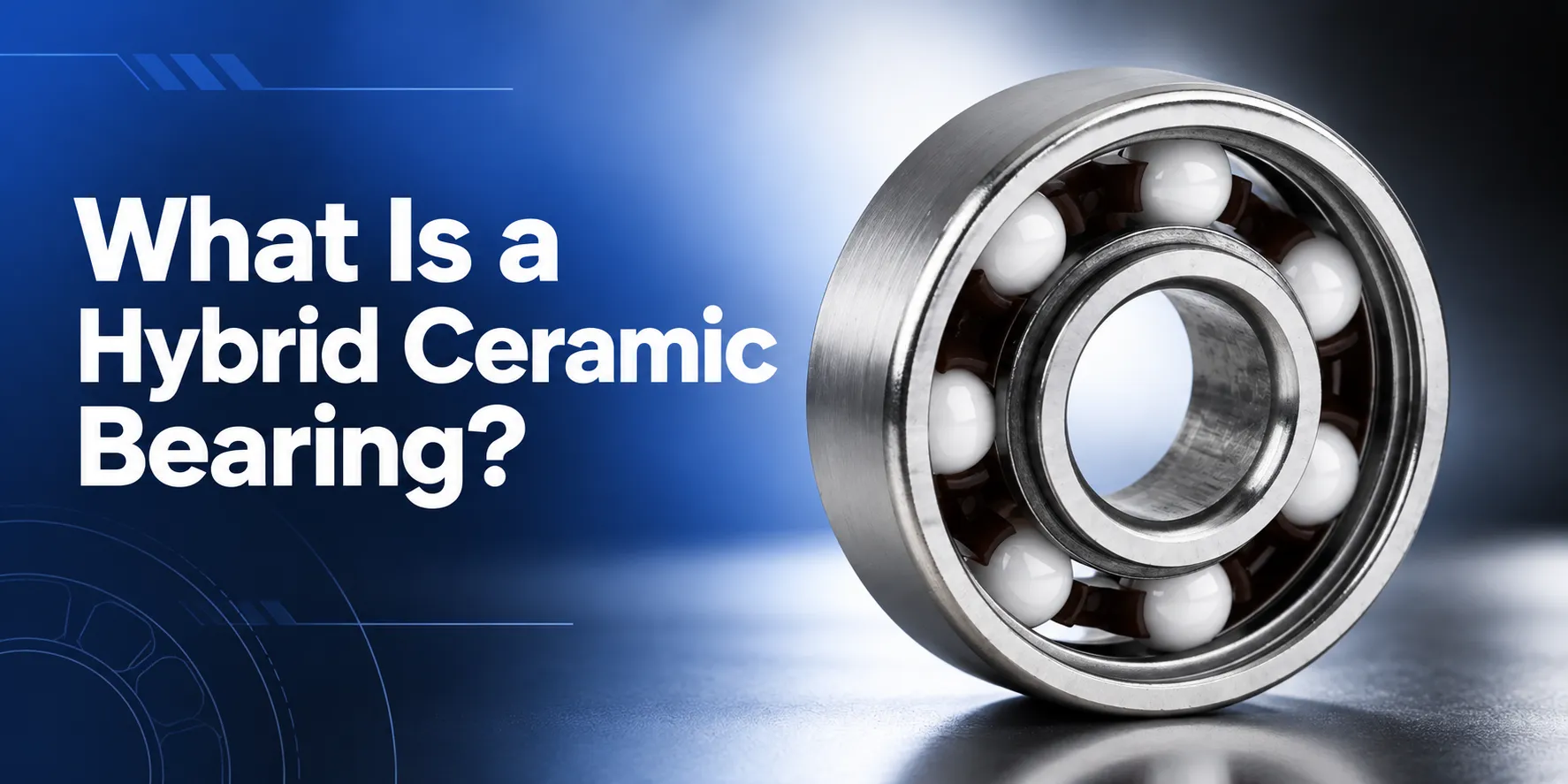
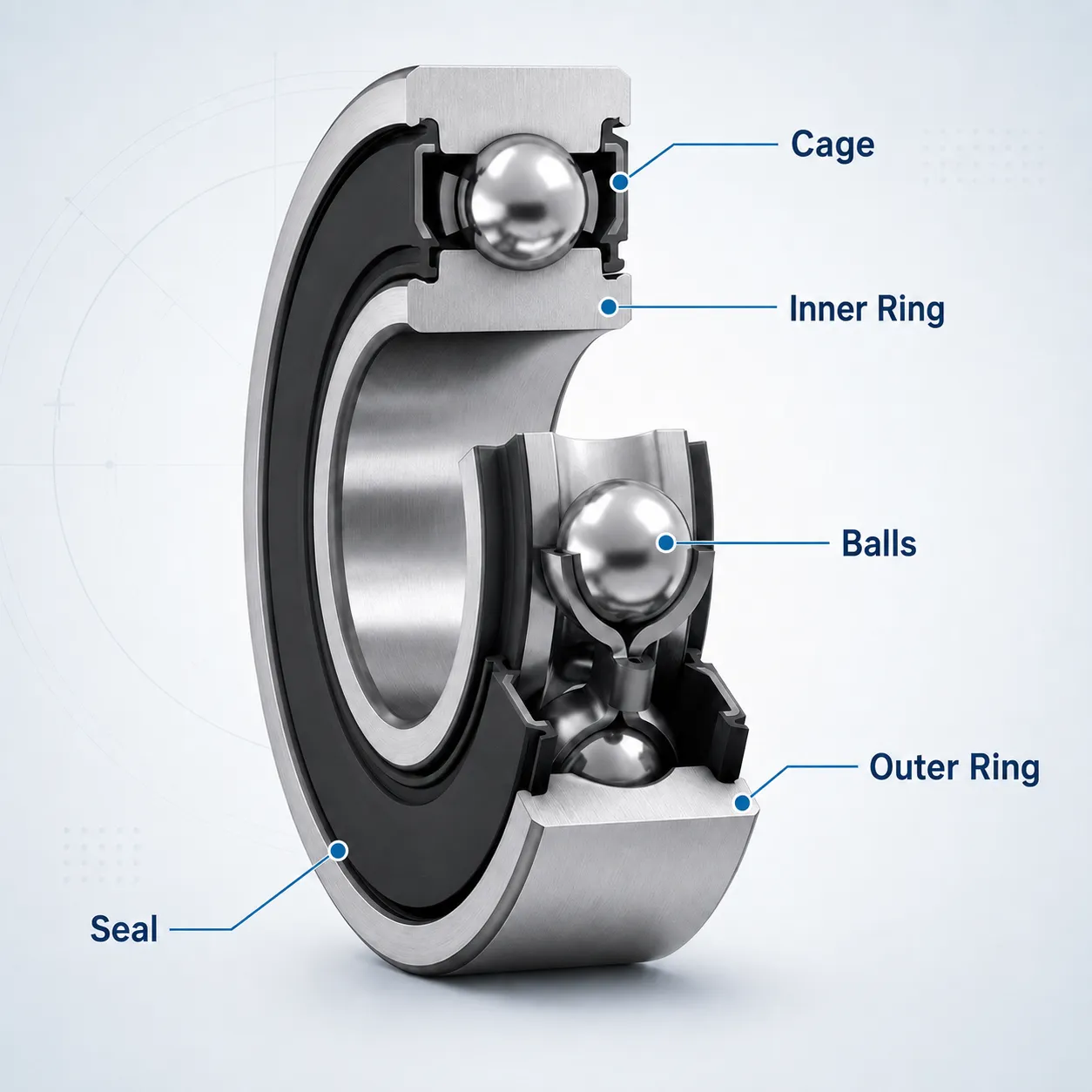
Bearings can generally be divided into rolling bearings and plain bearings. Rolling bearings typically consist of an inner ring, an outer ring, rolling elements, and a cage. The rolling elements, such as balls or rollers, roll between the raceways to reduce friction and support radial loads, axial loads, or combined loads.
Plain bearings do not use balls or rollers. Instead, the shaft slides directly against the bearing surface or sliding layer. When a plain bearing has a cylindrical sleeve shape, it is commonly called a bushing or sleeve bearing.
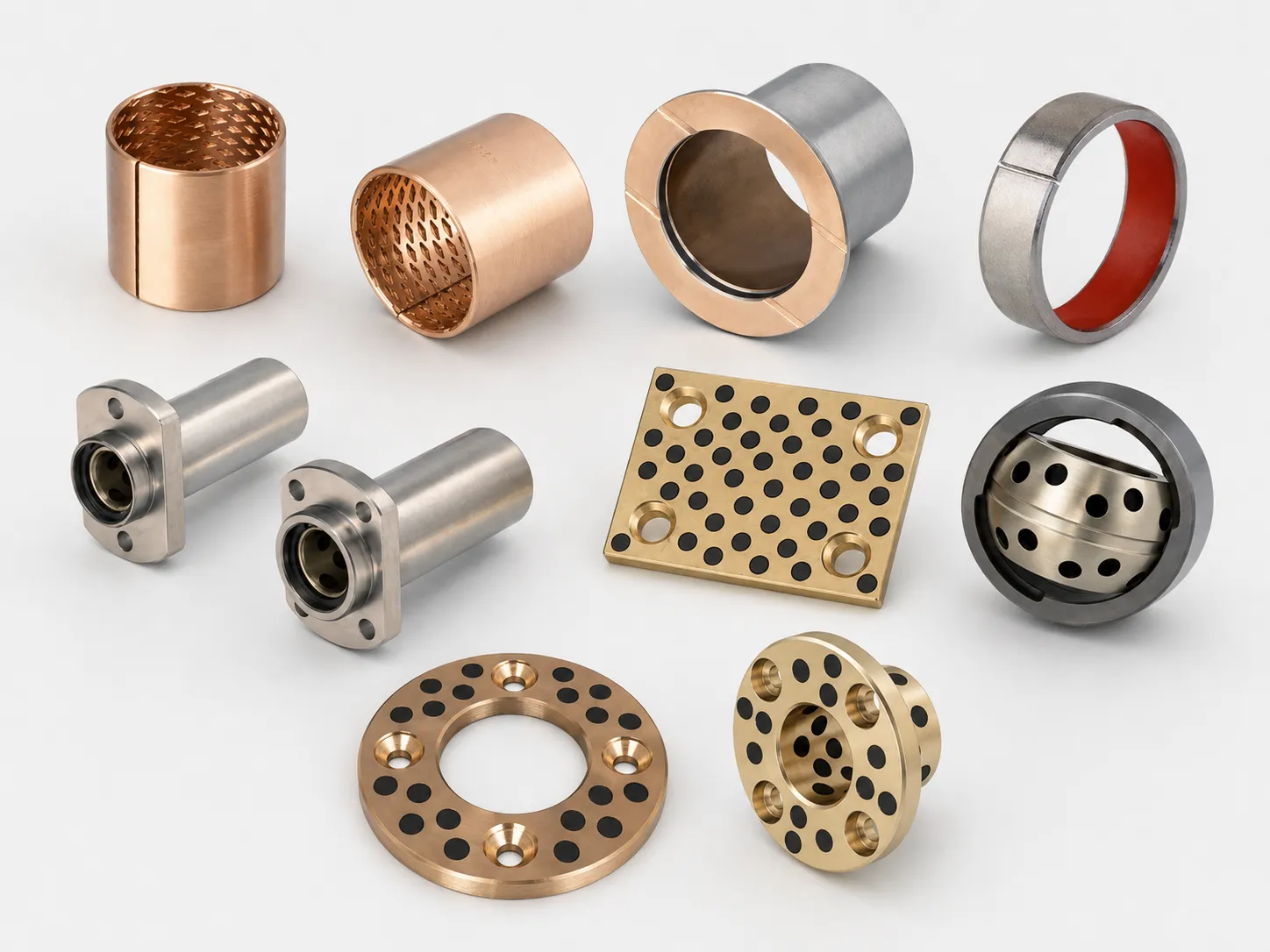
Therefore, bushings and bearings are not exactly the same. A bushing is a type of bearing, but not all bearings are bushings.
Part 2. What Are the Purposes of Bushings and Bearings?
Now that you have a basic understanding of bushings and bearings, you may want to know their main purposes.
Since a bushing is a type of bearing, let us first understand why bearings are used. Without a suitable bearing, direct contact between a shaft and its supporting component can create excessive friction and wear. It may also cause unstable movement, vibration, noise, heat generation, inaccurate shaft positioning, and premature damage to the contacting surfaces.
Therefore, both bushings and other types of bearings are used to support loads, reduce friction and wear, guide and locate shafts or moving components, protect mating surfaces, improve movement stability, and extend the service life of machinery.
However, bushings and rolling bearings achieve these purposes in different ways. Rolling bearings use balls or rollers to create rolling contact, while bushings support the shaft through sliding contact over a relatively large surface area. This larger contact area allows bushings to distribute loads over a wider surface and withstand heavy radial loads, shock loads, and oscillating movements.
Part 3. Types of Bushings and Bearings
To better understand differences between bushings and bearings, it is also important to know the main types of bearings and bushings.
Types of Bearings
Bearings can generally be divided into ball bearings, roller bearings, and plain bearings according to how they support movement and reduce friction.
Ball Bearings: Ball bearings are rolling bearings that use balls as the rolling elements. Because the balls create point contact with the raceways, ball bearings generally provide low friction and are suitable for relatively high-speed operation. Common types include deep groove ball bearings, angular contact ball bearings, thrust ball bearings, and self-aligning ball bearings.
Roller Bearings: Roller bearings use rollers as the rolling elements. Compared with balls, rollers provide line contact with the raceways, allowing them to carry higher loads. Common types include cylindrical roller bearings, tapered roller bearings, spherical roller bearings, needle roller bearings, and thrust roller bearings.
Plain Bearings: Plain bearings do not use balls or rollers. Instead, the shaft or moving component slides directly against the bearing surface or sliding layer. Common types include sleeve bearings or bushings, flanged plain bearings, thrust washers, spherical plain bearings, and split plain bearings.
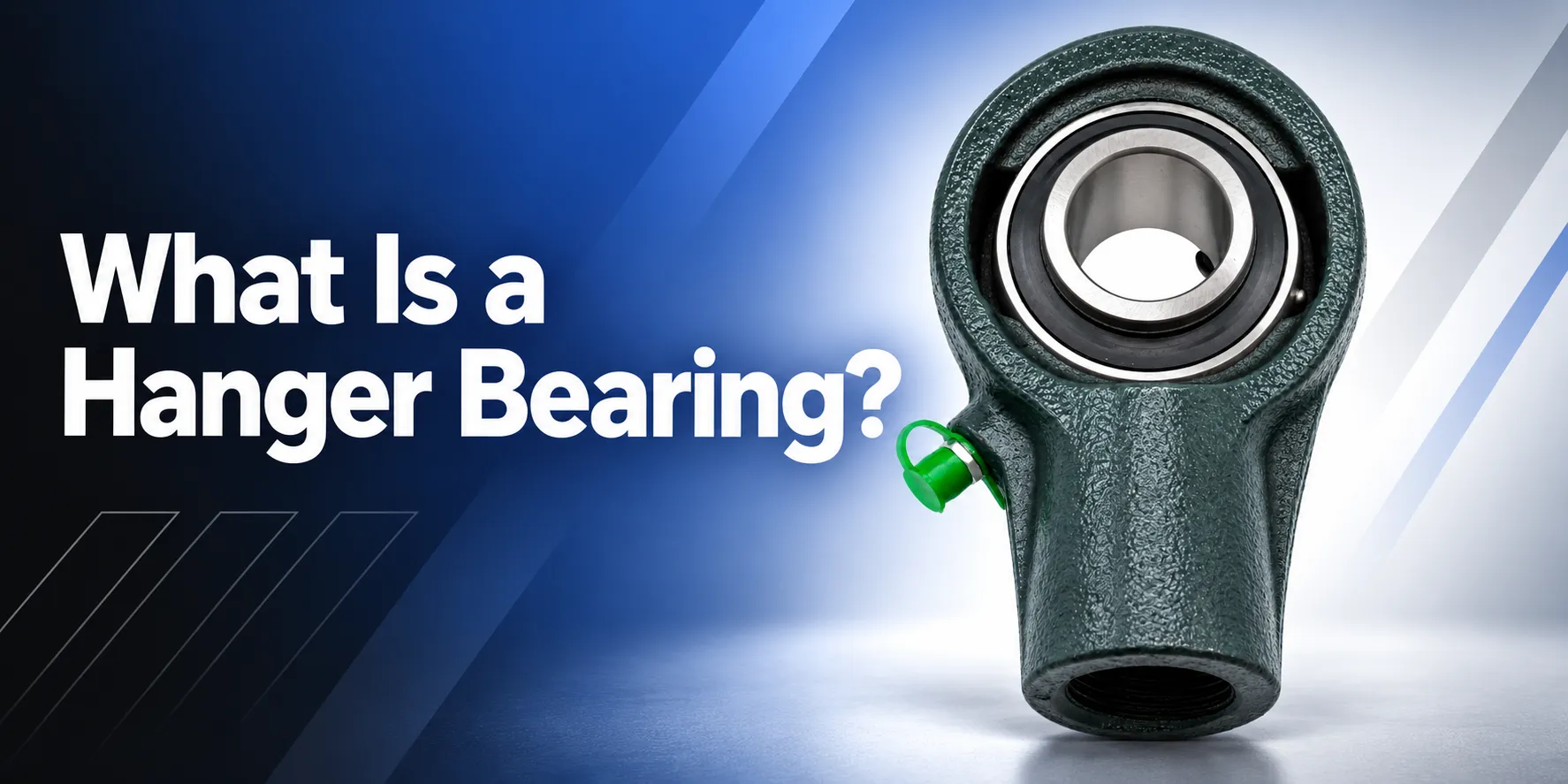
Mounted Bearing Units: Mounted bearing units consist of a bearing preinstalled in a housing. Most commonly, they use insert ball bearings and are designed for easy mounting, shaft alignment, and maintenance.
Types of Bushings
Bushings can be classified according to their structure, material, and lubrication method.
Based on structure, common types include straight or sleeve bushings, flanged bushings, and split bushings.
Based on material, bushings may include bronze bushings, brass bushings, steel bushings, sintered metal bushings, plastic bushings, PTFE composite bushings, and metal-polymer composite bushings.
Based on the manufacturing process or lubrication method, bushings may also include cast bronze bushings, oil-impregnated sintered bushings, graphite-plugged bushings, self-lubricating composite bushings, and dry-running bushings.
Part 4. What Is the Difference Between a Bearing and a Bushing? A Comparison Table
As mentioned above, a bushing is a type of bearing. Therefore, understanding when and why to use a bushing instead of a bearing usually means comparing a bushing with other types of bearings, especially rolling bearings such as ball bearings and roller bearings.
For this reason, the following table focuses on the differences between bushings and rolling bearings.
| Item | Rolling Bearing | Bushing |
| Category | A type of bearing that uses balls or rollers to support movement and reduce friction. | A type of plain bearing, usually designed with a cylindrical sleeve structure. |
| Basic Structure | Usually consists of an inner ring, outer ring, balls or rollers, a cage, lubricant, and optional seals or shields. | Usually consists of a solid metal, sintered metal, plastic, or multilayer composite cylindrical sleeve with a sliding surface. |
| Method Used to Achieve the Purpose | Uses balls or rollers between the inner and outer raceways to create rolling contact. | Uses a lubricated, low-friction, or self-lubricating sliding surface to support the shaft. |
| Contact Type | Ball bearings generally use point contact, while roller bearings use line contact. | Uses sliding contact over a relatively large surface area. |
| Typical Types | Deep groove ball bearings, angular contact ball bearings, cylindrical roller bearings, tapered roller bearings, spherical roller bearings, needle roller bearings, and mounted bearing units. | Sleeve bushings, flanged bushings, split bushings, sintered bushings, composite bushings, plastic bushings, and solid-lubricant bushings. |
| Operating Speed | Generally suitable for medium- to high-speed rotation because rolling contact provides relatively low friction. | Generally suitable for low- to medium-speed rotation, oscillating movement, or intermittent motion. |
| Load Capacity | Roller bearings generally carry higher loads than ball bearings, while different designs are available for radial, axial, or combined loads. | Heavy radial loads, shock loads, and oscillating loads. |
| Friction | Usually provides lower starting and running friction. | Usually has higher starting friction. |
| Installation Space | Usually requires more radial installation space. | Usually requires less radial installation space. |
| Lubrication and Maintenance | Usually requires grease or oil. | Self-lubricating and less maintenance option available. |
| Cost | May have a higher manufacturing and installation cost. | Usually is a more economical solution. |
Part 5. When and Why Would You Use a Bushing over a Bearing?
When and why should you use a bushing instead of a bearing—or, more accurately, instead of a rolling bearing?
From the comparison table above, you can see that bushings are generally more suitable for applications with high radial loads, limited installation space, low- to medium-speed movement, high shock loads and vibration. Their simple and compact structure may also make them a more cost-effective solution than rolling bearings. Therefore, when your application involves these conditions, you can consider using a bushing instead of a rolling bearing.
Ending Note
Now, you should understand that the key difference between a bushing and a bearing is that a bushing is a type of plain bearing, and a plain bearing is one type of bearing. You can say that a bushing is a bearing, but not all bearings are bushings, because bearings also include ball bearings, roller bearings, other plain bearings, and mounted bearings.
When discussing when and why to use a bushing over a bearing, the more accurate meaning is when and why to choose a bushing instead of a rolling bearing. You may choose a bushing for applications with limited installation space, low- to medium-speed operation, high radial loads, and lower cost requirements.
If you need to buy bushings or bearings, you can contact BKZ Industry, a bearing manufacturer from China with two factories that can provide the bearings and bushings you need.