When mentioning DU bushings, you may feel confused, even if you already have experience in the bearing industry. So, what are DU bushings? What does “DU” mean? What is the difference between DU bushings, plain bearings, and plain bearings? How do DU bushings work, what are they used for, what types are available, and what are the sizes? In this article, I will explain everything you need to know about DU bushings.
After understanding this information, if you need to buy bushings or other bearing products, you can contact BKZ Industry. BKZ Industry is a bearing manufacturer with 15 years of manufacturing experience and 2 factories, helping B2B buyers choose and purchase suitable bearing solutions.
Part 1. What is DU Bushing?
So, what is a DU bushing?
A DU bushing is a type of self-lubricating plain bushing. It is usually a metal-polymer composite bushing with a steel backing, a porous bronze intermediate layer, and a PTFE-based sliding layer.
But what does “DU” mean in bearings?
Strictly speaking, “DU” is not a general technical abbreviation. It originally refers to the DU® dry sliding bearing product from GGB. However, in many markets, people also use “DU bushing” as a common name for PTFE-lined metal-polymer composite bushings with a similar structure. In this article, when we mention DU bushings, we use the term to refer to PTFE composite bushings.
As mentioned above, a DU bushing is a type of self-lubricating plain bushing. To better understand DU bushings, it is helpful to compare them with self-lubricating bushings and plain bearings. The table below shows their relationship and key differences.
| Item | Plain Bearing | Self-Lubricating Bushing | DU Bushing / DU-Type Bushing |
| Relationship | A plain bearing is a broad bearing category that works through sliding contact instead of rolling elements. It includes bushings, sleeve bearings, thrust washers, sliding plates, and journal bearings. | A self-lubricating bushing is one type of plain bearing. It is designed to reduce or eliminate the need for external lubrication. | A DU bushing is one type of self-lubricating plain bushing. It usually refers to a PTFE-lined metal-polymer composite bushing. |
| Structure | It usually has a sliding surface between a shaft and a housing, without balls or rollers. The structure can vary depending on the application. | The structure depends on the material type. It may use PTFE, POM, bronze, graphite plugs, bimetal layers, wrapped bronze, or polymer-based sliding materials. | It usually consists of a steel backing, a porous bronze intermediate layer, and a PTFE-based sliding layer. |
| Lubrication | It can be lubricated or self-lubricating, depending on the bearing design and material. | It is designed for dry running, boundary lubrication, or low-maintenance operation. | It is usually suitable for dry-running or limited-lubrication applications. |
From the table above, you can clearly understand the relationship and differences between DU bushings, self-lubricating bushings, and plain bearings.
You May Also Like: What is Lazy Susan Bearing?
Part 2. What Is a DU Bushing Used for?
Now you know that a DU bushing is a metal-polymer composite bushing, usually a PTFE-lined composite bushing. So, you may want to know what its functions are. Here are its key functions:
- Used in applications where regular lubrication is difficult because of its self-lubricating performance.
- Reducing friction.
- Supporting smooth movement.
- Reducing noise.
- Absorbing shock and vibration.
Part 3. How Does a DU Bushing Work?
With these features, a DU bushing can work well in many applications. But how does it work?
It is simple. When the shaft rotates, oscillates, or slides, the PTFE-based sliding layer forms a low-friction surface between the shaft and the bushing. This helps reduce direct metal-to-metal contact, lower friction, and support smooth shaft movement.
Part 4. Types of DU Bushing
In general, DU-type bushings can be divided into several types based on the backing material.
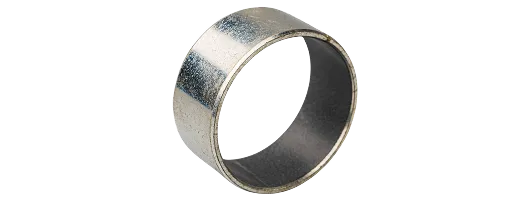
Carbon Steel Backed DU-Type Bushing:
Its structure is carbon steel backing + porous bronze intermediate layer + PTFE-based sliding layer. This is the most common DU-type bushing structure.
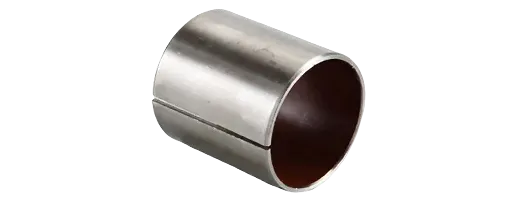
Stainless Steel Backed DU-Type Bushing:
Its structure is stainless steel backing + porous bronze intermediate layer + PTFE-based sliding layer. It is suitable for applications requiring better corrosion resistance.
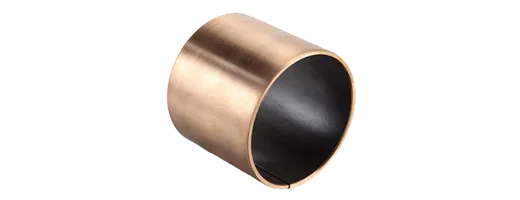
Bronze Backed PTFE Composite Bushing:
Its structure is bronze backing + PTFE-based sliding layer, or bronze backing + intermediate bonding layer + PTFE-based sliding layer, depending on the design. It belongs to PTFE composite bushings, but it is not always a standard DU-type bushing because the backing material is bronze instead of steel.
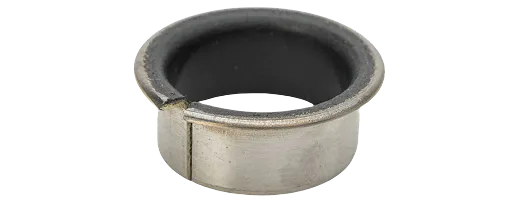
Tin-Plated DU-Type Bushing:
Its structure is tin-plated steel backing + porous bronze intermediate layer + PTFE-based sliding layer. The tin-plated surface helps improve corrosion resistance and surface protection.
Part 5. DU Bushing Size Chart
If you are looking for a PTFE composite bushing size chart, you can refer to the table below.
Please note that this size chart is for reference only. It mainly shows the standard dimensions of PTFE composite bushings. Before purchasing, you should confirm the detailed specifications, material structure, tolerance, quantity, and application requirements with BKZ Industry.
1. Straight DU Bushing Size Chart
| Inner Diameter d (mm) | Outer Diameter D (mm) | Available Length L (mm) |
| 3 | 5 | 3, 4, 5, 6 |
| 4 | 6 | 3, 4, 5, 6, 8, 10 |
| 5 | 7 | 3, 4, 5, 6, 8, 10 |
| 6 | 8 | 3, 4, 5, 6, 7, 8, 10, 12, 15 |
| 7 | 9 | 5, 6, 7, 8, 10, 12 |
| 8 | 10 | 5, 6, 7, 8, 10, 12, 15, 20 |
| 9 | 11 | 6, 10 |
| 10 | 12 | 5, 6, 7, 8, 10, 12, 15, 20 |
| 12 | 14 | 5, 6, 8, 10, 12, 15, 20, 25 |
| 13 | 15 | 8, 10, 12, 15, 20 |
| 14 | 16 | 8, 10, 12, 14, 15, 16, 20, 25 |
| 15 | 17 | 8, 10, 12, 15, 20, 25 |
| 16 | 18 | 10, 12, 15, 20, 25, 30 |
| 17 | 19 | 10, 15, 20 |
| 18 | 20 | 10, 12, 15, 20, 25, 30 |
| 19 | 22 | 10, 12, 15, 20, 25 |
| 20 | 22 | 10, 12, 15, 20, 25, 30, 35, 40 |
| 20 | 23 | 10, 12, 15, 20, 25, 30, 35, 40, 45, 50 |
| 20 | 24 | 10, 12, 15, 20, 25, 30, 35, 40, 45, 50 |
| 20 | 25 | 15, 20, 25, 30, 35, 40, 45, 50 |
| 22 | 25 | 10, 12, 15, 20, 25, 30 |
| 23 | 26 | 20, 25, 30 |
| 24 | 27 | 15, 20, 25, 30, 35, 40, 45, 50 |
| 25 | 28 | 10, 12, 15, 20, 25, 30, 35, 40, 45, 50 |
| 25 | 29 | 12, 15, 20, 25, 30, 35, 40, 45, 50 |
| 25 | 30 | 15, 20, 25, 30, 35, 40, 45, 50 |
| 28 | 32 | 12, 15, 20, 25, 30, 35, 40, 45, 50 |
| 30 | 34 | 12, 15, 20, 25, 30, 35, 40, 45, 50, 60, 70 |
| 30 | 35 | 15, 20, 25, 30, 35, 40, 45, 50, 55 |
| 31 | 35 | 15, 25, 30 |
| 32 | 36 | 15, 20, 25, 30, 35, 40 |
| 35 | 39 | 12, 15, 20, 25, 30, 35, 40, 45, 50, 60 |
| 35 | 40 | 20, 25, 30, 35, 40, 45, 50 |
| 36 | 40 | 20, 25, 30, 35, 40, 50 |
| 38 | 42 | 20, 25, 30, 35, 40, 50 |
| 40 | 44 | 12, 15, 20, 25, 30, 35, 40, 45, 50, 60 |
| 40 | 45 | 20, 25, 30, 35, 40, 45, 50, 60 |
| 42 | 47 | 15 |
| 45 | 50 | 15, 20, 25, 30, 35, 40, 45, 50, 55, 60 |
| 50 | 55 | 20, 25, 30, 35, 40, 45, 50, 55, 60, 70, 80 |
| 55 | 60 | 30, 35, 40, 45, 50, 60, 70 |
| 60 | 65 | 30, 35, 40, 45, 50, 60, 70, 80 |
| 65 | 75 | 30, 35, 40, 45, 50, 60, 70, 80 |
| 70 | 75 | 30, 35, 40, 50, 60, 70, 80 |
| 75 | 80 | 30, 35, 40, 50, 60, 80 |
| 80 | 85 | 30, 40, 50, 60, 80 |
| 85 | 90 | 30, 40, 50, 60, 80 |
| 90 | 95 | 40, 50, 60, 80, 90, 100 |
| 95 | 100 | 30, 40, 50, 60, 70, 80 |
| 100 | 105 | 30, 35, 40, 50, 60, 70, 80, 90, 100, 110, 120 |
| 110 | 115 | 50, 60, 70, 80, 95, 100 |
| 120 | 125 | 50, 70, 95, 100 |
| 125 | 130 | 60, 100 |
| 130 | 135 | 50, 60, 80, 100 |
| 140 | 145 | 50, 60, 80, 100 |
| 150 | 155 | 50, 60, 80, 100 |
| 160 | 165 | 50, 60, 80, 100 |
| 180 | 185 | 80, 100 |
| 200 | 205 | 80, 100 |
| 220 | 225 | 60, 80, 100 |
2. Flanged DU Bushing Size Chart
The following chart is for flanged DU bushings. These bushings have a flange at one end, which helps provide axial positioning and can support limited axial load.
| Inner Diameter d (mm) | Outer Diameter D (mm) | Flange Diameter F (mm) | Available Length L (mm) |
| 3 | 4.6 | 7 | 3, 5 |
| 4 | 5.6 | 9 | 4, 6 |
| 5 | 7 | 10 | 4, 5, 6 |
| 6 | 8 | 12 | 4, 5, 6, 7, 8, 10 |
| 7 | 9 | 13 | 5, 7, 8, 10, 12, 15 |
| 8 | 10 | 15 | 5, 6, 7, 8, 10, 12, 13, 15 |
| 9 | 11 | 16 | 10 |
| 10 | 12 | 18 | 6, 7, 8, 9, 10, 12, 15, 20 |
| 12 | 14 | 20 | 6, 7, 8, 9, 10, 12, 15, 20 |
| 13 | 15 | 21 | 10, 15 |
| 14 | 16 | 22 | 10, 12, 15, 17, 20 |
| 15 | 17 | 23 | 9, 10, 12, 15, 17, 20, 25 |
| 16 | 18 | 24 | 8, 10, 12, 15, 17, 20, 25 |
| 18 | 20 | 26 | 10, 12, 15, 17, 20, 25 |
| 20 | 23 | 30 | 10, 12, 15, 16.5, 20, 25, 30 |
| 22 | 25 | 32 | 10, 12, 15, 20, 25, 30 |
| 24 | 27 | 34 | 15, 20, 25, 30 |
| 25 | 28 | 35 | 10, 12, 15, 16.5, 20, 21.5, 25, 30, 35 |
| 26 | 30 | 38 | 15, 20 |
| 28 | 32 | 40 | 12, 15, 20, 30 |
| 31 | 35 | 44 | 25 |
| 35 | 39 | 47 | 12, 15, 20, 25, 30, 40, 50 |
| 38 | 42 | 51 | 20, 30, 40 |
| 40 | 44 | 53 | 12, 15, 20, 25, 30, 40, 50 |
| 45 | 50 | 59 | 20, 25, 30, 40, 50 |
| 50 | 55 | 64 | 20, 30, 40, 50, 60 |
| 55 | 60 | 69 | 30, 40, 60 |
| 60 | 65 | 74 | 30, 40, 60 |
Part 6. Buy PTFE Composite Bushings from BKZ Industry
With this size chart, you can check the standard dimensions of PTFE composite bushings and choose a suitable size based on your shaft diameter, housing size, and application requirements.
After confirming the basic size, you should contact a bearing manufacturer or bushing supplier, such as BKZ Industry, to confirm the material structure, tolerance, load, speed, quantity, and working conditions before purchasing.
BKZ Industry is a bearing manufacturer with 15 years of manufacturing experience and 2 factories. We can supply PTFE composite bushings in different sizes and help you choose the suitable option for your application.
FAQS
2RS and DU bearings are different concepts. 2RS usually refers to a rolling bearing with rubber seals on both sides. For example, a 6205-2RS bearing is a deep groove ball bearing with two rubber seals. A DU bearing, or DU bushing, usually refers to a PTFE-lined metal-polymer composite plain bearing. It has no balls or rollers. Instead, it supports sliding motion through the low-friction PTFE sliding layer.
RockShox and Fox DU bushings are not always exactly the same, but they are generally the same type of component. In suspension applications, “DU bushing” usually refers to a PTFE-lined plain bushing used in shock eyelets or pivot positions. However, the exact size, tolerance, material, and compatibility may be different between RockShox, Fox, and different suspension models. Before replacement, you should always confirm the correct bushing size and fitment.
Final Words
After reading this article, you should have a clear understanding of what DU bushings are, how they work, and more.
In general, a DU bushing refers to a PTFE-lined metal-polymer composite plain bearing. If you need to buy PTFE composite bushings, you can contact BKZ Industry. As a bearing manufacturer with 15 years of manufacturing experience and 2 factories, BKZ Industry can help you choose and supply suitable PTFE composite bushings according to your size, quantity, and application requirements.