When you are looking for bearings, you will often come across bearings with seals. But do you need sealed bearings, and what type of bearing seal should you use for your application? To have a clear idea, you should understand what bearing seals are, how they work, how they differ from bearing shields, the different types of bearing seals, and more. I will explain everything you should know here. After that, you can decide which sealed bearings you need.
If you want to buy bearings with seals, you should choose a trusted bearing manufacturer, such as BKZ Industry. BKZ Industry manufactures insert bearings, mounted bearing units, and several other types of bearings with seals. BKZ Industry also works with about 20 factories to supply bearing types that it does not manufacture itself, helping customers purchase different types of bearings with seals from one supplier. Contact BKZ Industry to buy bearings now.
Part 1. What Are Bearing Seals?
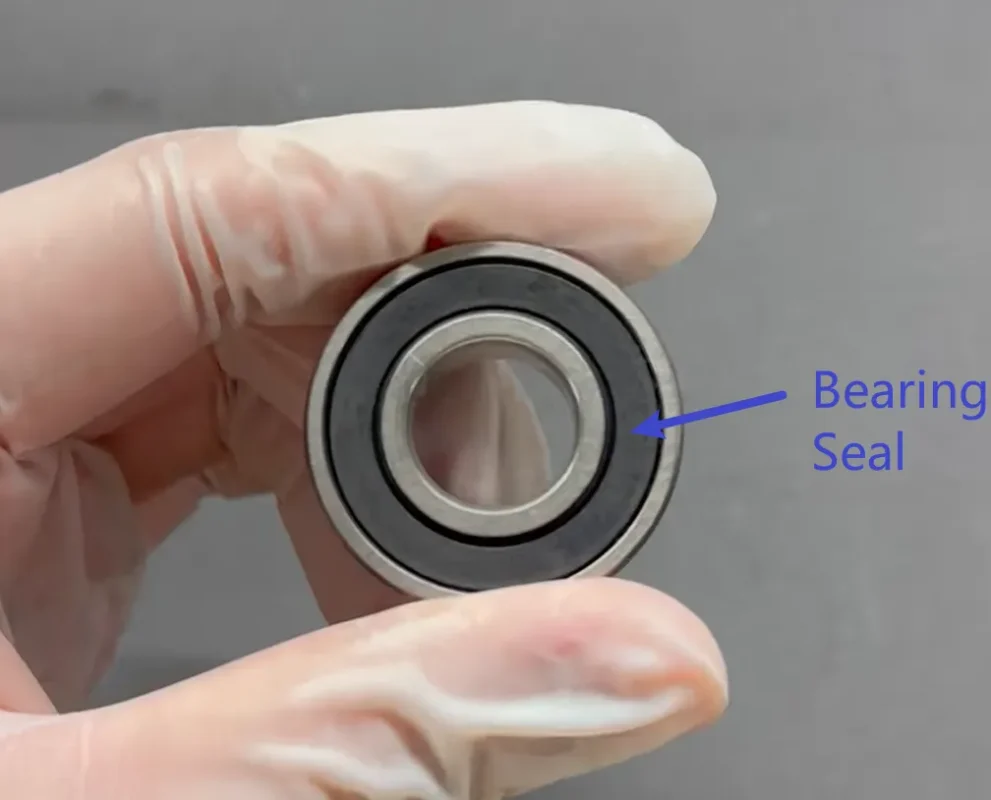
First of all, let me explain what are bearing seals. Bearing seals are protective components installed on one or both sides of a bearing, usually in the space between the inner ring and outer ring. Their purposes are to protect the bearing from contaminants such as dirt, dust, moisture, and certain chemicals, while also keeping the lubricant inside the bearing. They can help extend the service life of the bearing and keep it operating stably by reducing damage caused by contamination, corrosion, and lubrication failure. They can also reduce downtime and the need for repairs.
Part 2. How Do Bearing Seals Work?
So how do bearing seals work when the bearing operates. Bearing seals are generally fixed to the outer ring, and the sealing lip either contacts the inner ring or runs very close to it. When the inner ring rotates, contact seals create a tight sealing barrier, while non-contact seals maintain a very small clearance between the seal and the inner ring. In this way, bearing seals help retain lubricating oil or grease inside the bearing and prevent dust, water, and other contaminants from entering. Non-contact seals generally provide less protection against fine dust and water than contact seals.
Part 3. Bearing Seal vs Bearing Shield: What Are Their Differences?
Now that you have a clear understanding of the definition of bearing seals, you may be confused about the differences between bearing seals and bearing shields, as both options are commonly available when selecting a bearing. I have already explained them clearly in the article “Sealed Bearings vs. Shielded Bearings,” which you can read to understand their differences in detail. However, to help you understand them quickly, I will explain their key differences here.
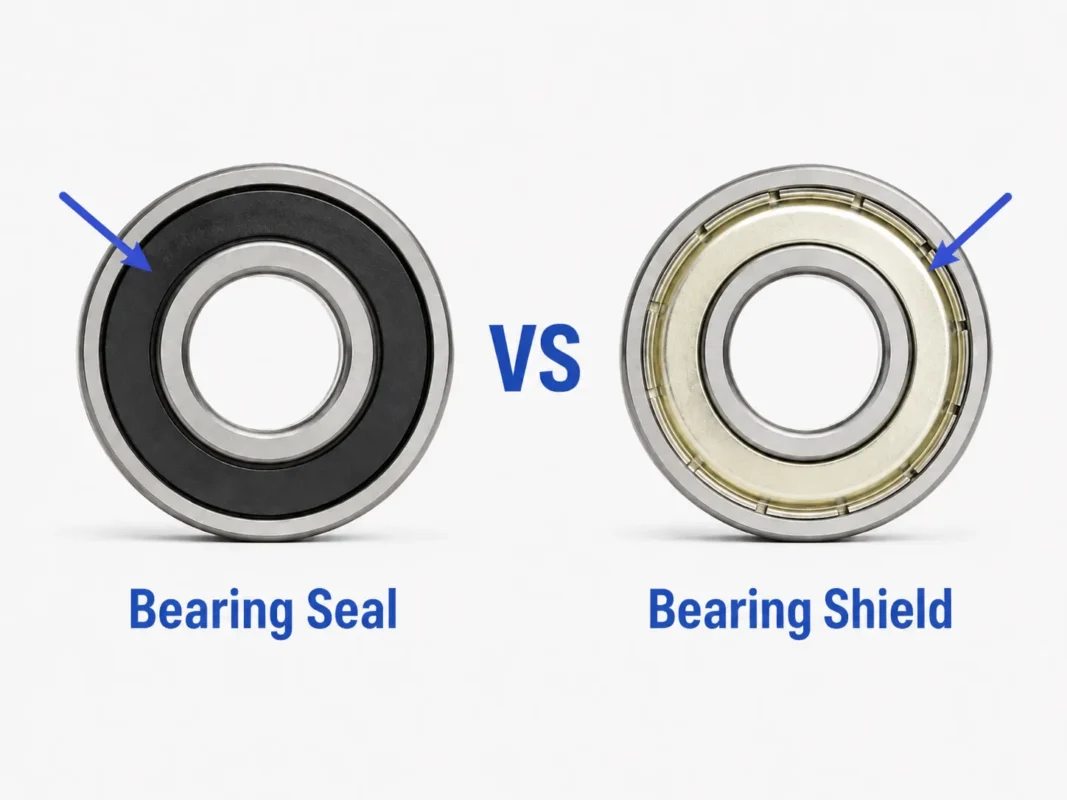
One of the major differences between bearing seals and bearing shields is their material. Bearing seals are commonly made from rubber or other elastomeric sealing materials, while bearing shields are usually made from metal. Here is the picture for you to have a much clearer picture.
Part 4. Different Types of Bearing Seals
When choosing bearings with seals, you can find that there are many different types. To select the correct option, you need to understand the different types of bearing seals and their functions, advantages, disadvantages, and characteristics. Based on different criteria, bearing seals can be divided into different types. Here, I will list the types of bearing seals based on their contact method and materials.
Based on the Contact Method
Bearing seals can be divided into two types based on the contact method. One is contact seals, and the other is non-contact seals.
Contact Seals
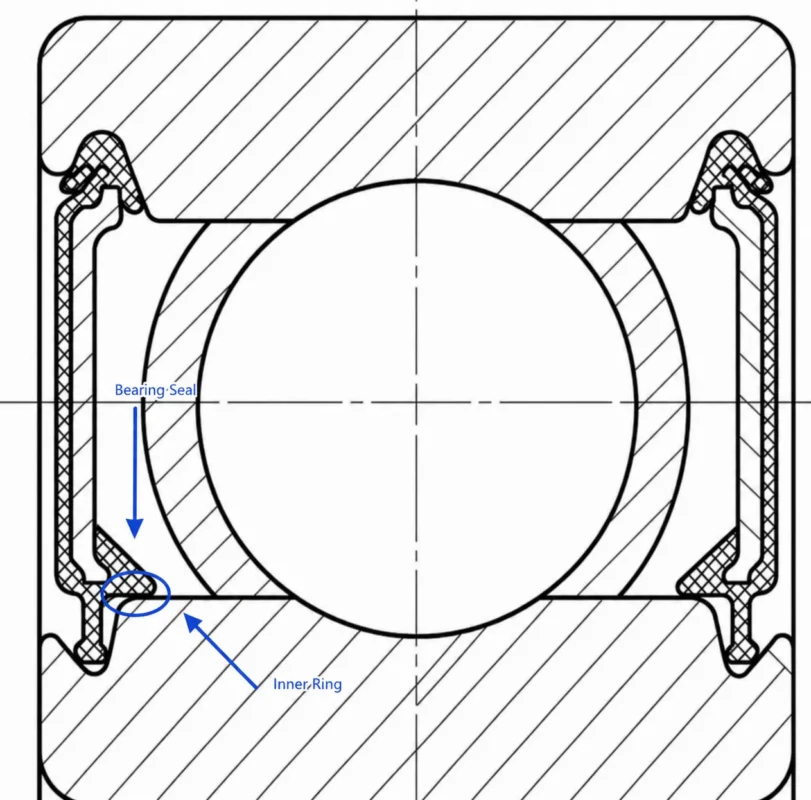
Contact seals are fixed to the outer ring, while the sealing lip contacts the inner ring. When the inner ring rotates, the elasticity and designed interference of the sealing lip keep it pressed lightly against the inner ring, forming a tight sealing barrier.
The advantages of this type of seal are:
- Better protection against water, moisture, dust, and other contaminants.
- Better grease retention and lower risk of lubricant leakage.
- Suitable for harsh operating conditions.
However, the disadvantages of this type of seal are also obvious:
- Higher friction because the sealing lip contacts the rotating inner ring.
- More heat and seal wear may be generated, especially at higher speeds.
- Generally less suitable for very high-speed operation than non-contact seals.
Non-Contact Seals
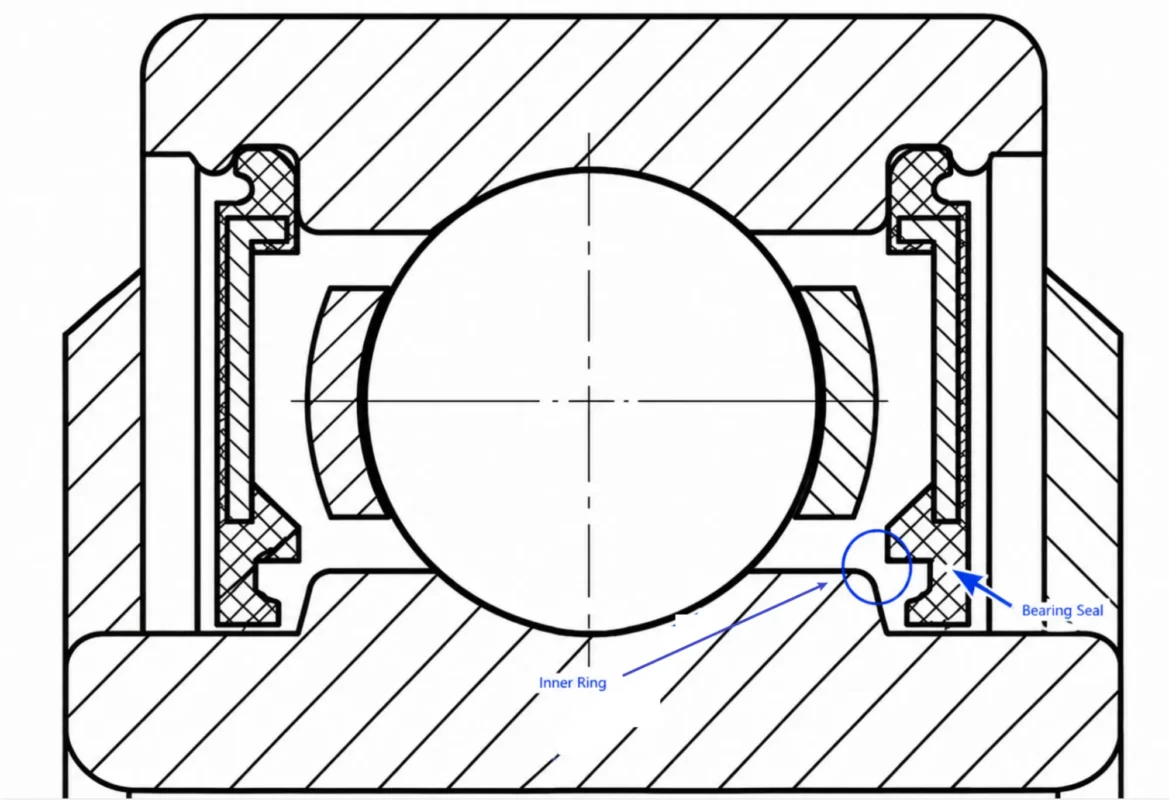
Compared with contact seals, non-contact seals are fixed to the outer ring, while the other side does not contact the inner ring. When the inner ring rotates, the seal maintains a very small clearance between the sealing lip and the inner ring.
The advantages of non-contact bearing seals include:
- They generate less friction and heat during operation.
- They are more suitable for high-speed operation.
- They produce little or no seal wear because there is no continuous rubbing contact.
The disadvantages of non-contact bearing seals include:
- They generally provide less protection against fine dust, moisture, and water than contact seals.
- They may allow more grease leakage or contaminant entry under harsh operating conditions.
- They may not be suitable for applications exposed to heavy contamination, direct water spray, or high-pressure washing. Their suitability for chemical environments depends mainly on the seal material and the specific chemical involved.
Except based on the materials, Bearing seals can also be classified with the bearing seal materials.
Based on the Bearing Seal Materials
Bearing seals can be made from different materials. The following are the major materials used for bearing seals. When choosing a bearing seal material, you need to consider its lubricant compatibility, operating temperature, sealing-lip surface speed, chemical exposure, and food or hygiene requirements.
1. NBR—Nitrile Butadiene Rubber
Lubricant Compatibility: Good compatibility with mineral-oil-based lubricants, petroleum oils and greases, diesel fuel, fuel oils, vegetable oils, silicone-based lubricants, and warm water.
Operating Temperature: −40 to +100 °C; short-term exposure up to approximately +120 °C.
Rotational Speed: Approximately 0–12 m/s sealing-lip surface speed for conventional lubricated rotary contact seals.
Chemical and Contaminants Exposure: Good resistance to mineral oils, greases, fuels, aliphatic hydrocarbons, vegetable oils, dirt, and moderate moisture. Poor resistance to ozone, UV exposure, weathering, aromatic and chlorinated hydrocarbons, ketones, MEK, glycol-based brake fluids, phosphate-ester fluids, and strong acids or alkalis.
Food or Hygiene Requirements: Standard NBR is not automatically food grade. FDA- or EU-compliant NBR compounds are available for certain food-contact applications.
2. HNBR—Hydrogenated Nitrile Butadiene Rubber
Lubricant Compatibility: Good compatibility with mineral oils, many synthetic oils, greases, fuels, water-glycol fluids, and some refrigerants.
Operating Temperature: −40 to +150 °C; short-term exposure approximately +160 to +175 °C.
Rotational Speed: Approximately 0–20 m/s sealing-lip surface speed for suitably designed and lubricated rotary seals.
Chemical and Contaminants Exposure: Better resistance than NBR to heat, oxidation, ozone, weathering, abrasion, mineral oils, greases, and many fuels. Poor resistance to ketones, many esters, strong acids, chlorinated hydrocarbons, and phosphate-ester hydraulic fluids.
Food or Hygiene Requirements: Standard HNBR is not automatically food grade. Special FDA- or EU-compliant HNBR compounds are available.
3. FKM—Fluoroelastomer
Lubricant Compatibility: Excellent compatibility with mineral and synthetic oils, high-temperature greases, fuels, petroleum fluids, and many special lubricants.
Operating Temperature: −20 to +200 °C; special low-temperature grades can operate from approximately −40 to +200 °C, with short-term exposure around +230 to +250 °C.
Rotational Speed: Approximately 0–26 m/s for conventional lubricated rotary lips; specially designed low-friction FKM seals may operate within approximately 0–38 m/s.
Chemical and Contaminants Exposure: Excellent resistance to oils, greases, fuels, aromatic and aliphatic hydrocarbons, many mineral acids, ozone, UV exposure, weathering, and high temperatures. Poor resistance to hot water and steam, amines, ketones, low-molecular-weight esters and ethers, and some strong alkalis.
Food or Hygiene Requirements: Standard FKM is not automatically food grade. Special FDA- or EU-compliant FKM compounds are available for food, beverage, and pharmaceutical applications.
4. ACM—Polyacrylate Rubber
Lubricant Compatibility: Good compatibility with hot mineral oils, engine oils, transmission fluids, automatic transmission fluids, and lubricants containing extreme-pressure and sulfur-based additives.
Operating Temperature: −20 to +150 °C; special grades can operate from approximately −35 to +150 °C, with short-term exposure up to approximately +175 °C.
Rotational Speed: Approximately 0–22 m/s sealing-lip surface speed for properly lubricated rotary seals.
Chemical and Contaminants Exposure: Good resistance to hot oils, lubricant additives, oxygen, ozone, hot air, and weathering. Poor resistance to water, steam, acids, alkalis, glycol-based brake fluids, and low-temperature operation. ACM seals should not normally run dry.
Food or Hygiene Requirements: ACM is not commonly selected for food-contact bearing seals. Only specifically certified compounds should be used for food or hygiene applications.
5. Silicone Rubber—VMQ
Lubricant Compatibility: Compatible with some high-temperature lubricants, animal and vegetable oils, and certain specially formulated engine and gear oils. Compatibility with petroleum oils and greases must be confirmed for the specific VMQ compound.
Operating Temperature: −50 to +175 °C; short-term exposure approximately +200 to +230 °C.
Rotational Speed: Approximately 0–26 m/s for specially designed lubricated rotary seals; some low-friction silicone seal designs may operate within approximately 0–38 m/s.
Chemical and Contaminants Exposure: Excellent resistance to hot air, ozone, UV exposure, weathering, and low temperatures. Certain compounds resist water up to approximately +100 °C. Poor resistance to fuels, aromatic hydrocarbons, many aliphatic hydrocarbons, silicone oils, concentrated acids and alkalis, and abrasive contamination. VMQ also has relatively low tear and abrasion resistance.
Food or Hygiene Requirements: FDA- and EU-compliant VMQ compounds are commonly available and are widely used in food, beverage, medical, and pharmaceutical applications.
6. FVMQ—Fluorosilicone Rubber
Lubricant Compatibility: Better compatibility with petroleum oils, mineral oils, fuels, jet fuels, and hydrocarbon-based lubricants than standard VMQ.
Operating Temperature: −50 to +175 °C; special low-temperature compounds may remain flexible down to approximately −80 °C, while short-term exposure may reach approximately +200 °C.
Rotational Speed: Approximately 0–15 m/s sealing-lip surface speed for light-duty, lubricated rotary contact seals. Higher speeds require a specially tested seal design because FVMQ has relatively low tear and abrasion resistance.
Chemical and Contaminants Exposure: Good resistance to fuels, petroleum oils, aromatic mineral oils, benzene, toluene, ozone, UV exposure, and weathering. Poor resistance to ketones, many esters and ethers, strong acids and alkalis, steam, and abrasive contamination.
Food or Hygiene Requirements: FVMQ is not normally selected for food-contact bearing seals. Certified food-grade compounds exist but are less commonly available than food-grade VMQ compounds.
7. PTFE—Polytetrafluoroethylene
Lubricant Compatibility: Excellent compatibility with mineral and synthetic oils, greases, fuels, hydraulic fluids, solvents, and both lubricated and limited dry-running conditions.
Operating Temperature: −70 to +250 °C for common filled PTFE sealing compounds; specially engineered PTFE materials may operate from approximately −100 to +260 °C.
Rotational Speed: Approximately 0–60 m/s for engineered PTFE rotary sealing lips; special high-speed designs may operate within approximately 0–90 m/s.
Chemical and Contaminants Exposure: Resistant to nearly all commonly used oils, fuels, solvents, acids, alkalis, water, and steam. Exceptions can include elemental fluorine at elevated temperatures and molten alkali metals. Compatibility can also be affected by the fillers used in filled PTFE compounds.
Food or Hygiene Requirements: Virgin PTFE and certain filled PTFE compounds can meet FDA or EU food-contact requirements. However, not all fillers or PTFE compounds are food grade.
8. EPDM—Ethylene Propylene Diene Rubber
Lubricant Compatibility: Compatible with water-based fluids, hot water, steam, glycol-based brake fluids, and phosphate-ester hydraulic fluids. It is generally incompatible with mineral-oil-based lubricants, petroleum greases, fuels, and hydrocarbon oils.
Operating Temperature: −45 to +150 °C for peroxide-cured EPDM; short-term exposure up to approximately +175 °C.
Rotational Speed: Approximately 0–10 m/s for specially designed rotary seals operating with compatible water- or glycol-based media. EPDM is generally unsuitable for standard mineral-oil- or grease-lubricated bearing seals.
Chemical and Contaminants Exposure: Excellent resistance to water, steam, ozone, UV exposure, weathering, glycol brake fluids, dilute acids, and dilute alkalis. Poor resistance to mineral oils, petroleum greases, fuels, aromatic hydrocarbons, aliphatic hydrocarbons, chlorinated hydrocarbons, and many solvents.
Food or Hygiene Requirements: FDA- and EU-compliant EPDM compounds are commonly available for water, food, beverage, and hygiene applications.
9. Polyurethane—PU
Lubricant Compatibility: Good compatibility with mineral oils, petroleum-based hydraulic oils, many greases, and some synthetic lubricants. Compatibility with water-containing fluids depends on whether the polyurethane compound is hydrolysis resistant.
Operating Temperature: −50 to +110 °C for common sealing-grade polyurethane compounds.
Rotational Speed: Approximately 0–2 m/s for continuous rotary or oscillating sealing applications. PU is generally not used as a conventional high-speed bearing-seal lip material.
Chemical and Contaminants Exposure: Excellent resistance to abrasion, wear, tearing, extrusion, oxygen, ozone, mineral oils, and many greases. Poor resistance to hot water and steam unless a hydrolysis-resistant grade is used, as well as strong acids, strong alkalis, ketones, aromatic solvents, and chlorinated solvents.
Food or Hygiene Requirements: Standard PU is not automatically food grade. Special FDA- or EU-compliant polyurethane compounds are available for certain food and hygiene applications.
Now that you understand these bearing seal types and their details, you can decide which one is suitable for your application.
Part 5. How to Identify a Bearing Seal in Size Chart?
Now, you need to know how to identify a bearing seal in a bearing size chart. In general, you can identify whether a bearing has seals and whether the seals are installed on one or both sides by checking the suffix after the basic bearing number.
However, a general bearing size chart normally does not show the exact seal material. To confirm whether the bearing seal is made of NBR, HNBR, FKM, or another material, you need to check the manufacturer’s product catalog or technical datasheet.
Here are some common suffixes used to identify bearing seals:
- RS: Means one rubber seal on one side of the bearing.
- 2RS: Means rubber seals on both sides of the bearing.
- RZ: Generally means one low-friction or non-contact rubber seal on one side.
- 2RZ: Generally means low-friction or non-contact rubber seals on both sides.
For example:
- 6205: An open bearing without integral seals.
- 6205-RS: A bearing with one rubber seal on one side.
- 6205-2RS: A bearing with rubber seals on both sides.
Other manufacturers may use different suffixes, such as DDU, LLU, LLB, VV, or 2HRS, to identify different seal structures. Therefore, you should always check the specific manufacturer’s designation system before purchasing.
Part 6. Where to Buy the Sealed Bearings?
With this information, you can now select the sealed bearings suitable for your application. But where should you buy them?
Here, I recommend purchasing sealed bearings from BKZ Industry, which can provide a wide range of bearing types with different sealing designs.
BKZ Industry is a bearing manufacturer specializing in insert bearings, mounted bearing units, bearing housings, deep groove ball bearings, tapered roller bearings, cylindrical roller bearings, and spherical roller bearings. It operates two factories for the in-house manufacturing of these products.
BKZ Industry also works with about 20 long-term partner factories to supply bearing types that its own factories do not manufacture. This allows customers to purchase different types of bearings from one supplier instead of contacting multiple companies.
BKZ Industry has more than 15 years of experience in bearing manufacturing and exporting and can offer a wide range of standard and customized bearings for different industrial applications.
Part 7. What Are The Common Failures of Bearing Seal?
After purchasing bearings with seals and installing them in your applications, you need to understand their common failure modes so that you can identify when replacement is necessary and how failures can be prevented. Here are the most common bearing seal failures you should know.
Lubricant Leakage: When a bearing seal is worn, damaged, incorrectly installed, or chemically degraded, oil or grease may leak from the bearing.
Seal Lip Worn or Damaged: In contact seals, the sealing lip contacts the inner ring or a sealing surface. After long-term operation, friction, insufficient lubrication, shaft misalignment, abrasive contaminants, excessive speed, or installation damage can cause the sealing lip to wear, crack, tear, or become deformed.
Seal Swelling or Softening: A bearing seal may swell or soften when its material is incompatible with the lubricant, cleaning agent, fuel, solvent, or other chemicals in the application.
Part 8. How to Prevent Bearing Seal Failures?
To prevent bearing seal failures, you should follow the tips below.
Choose the Correct Bearing Seal for Your Application: Confirm that the material and type of the bearing seal match your working conditions so that they can work properly.
Make Sure the Bearing Seals Are Correctly Installed: Make sure the bearing seals are installed correctly and are not damaged or deformed during installation.
Inspect and Replace: Regularly inspect the bearing seals for wear, cracks, deformation, and lubricant leakage, and replace them when necessary.
With these tips, you can reduce the risk of bearing seal failure.
Ending Note
Now, you know everything about bearing seals, and I am sure that you understand how to select the right bearing seals for your application. If you are still unsure, do not worry. Send your application requirements to BKZ Industry, a bearing manufacturer and supplier that can help you select suitable bearing seals for your application.