Flywheel bearings are a crucial component in machinery. If you are an engineer looking for a flywheel bearing, or if you are new to machinery and bearings, you may be unsure what a flywheel bearing is or how it works. In this article, I will explain what a flywheel bearing is, how it functions, the types commonly used in flywheels, when it needs replacement, and where to buy it.
For those who already know flywheel bearing and want to purchase them, you can contact BKZ Industry, a bearing manufacturer, with the bearing number or any other specifications and the quantity you need. Our team will provide a fast quotation and help you select the right bearing for your application.
Part 1. What Is a Flywheel Bearing?
Before understanding what a flywheel bearing is, you first need to understand what a flywheel does.
A flywheel is a heavy rotating disc fixed to the rear end of the engine crankshaft. Its main job is to store rotational energy and make engine rotation smoother.
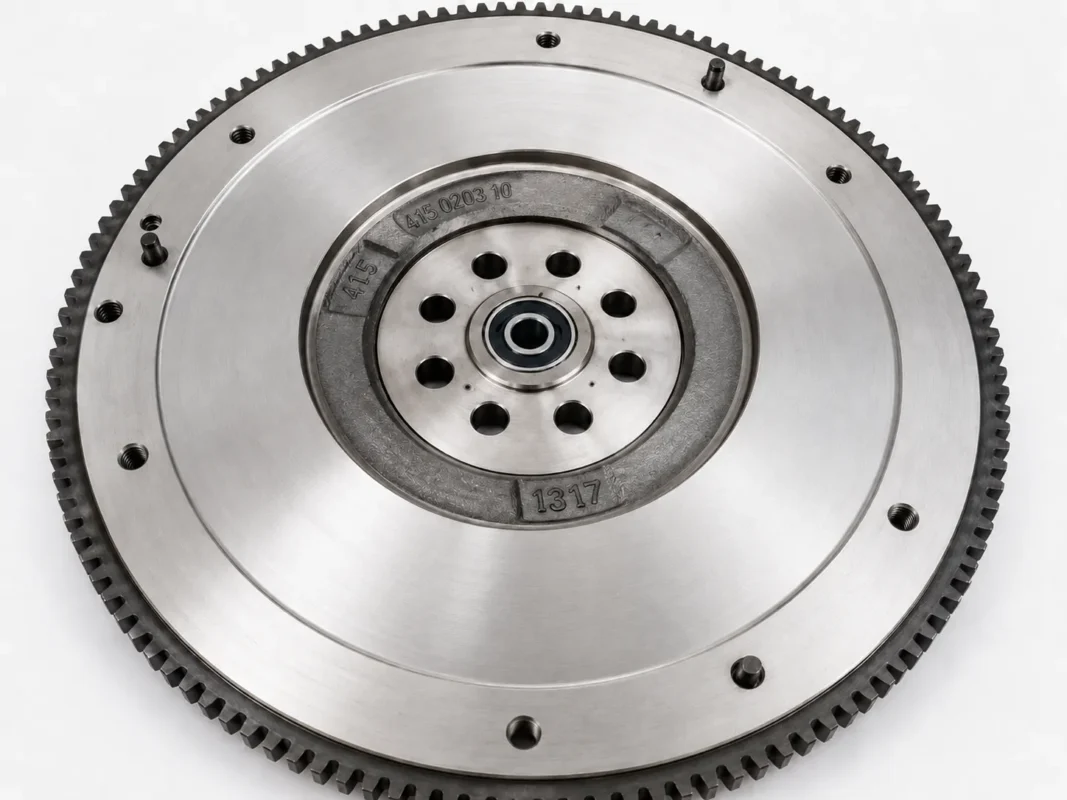
When the engine produces power during combustion, the flywheel absorbs part of that energy through its mass and inertia. When engine power drops between combustion strokes, the flywheel releases the stored energy and helps keep the crankshaft rotating steadily.
So, the flywheel is not just a heavy metal wheel. It is an important part of the engine and clutch system. It helps stabilize rotation, reduce vibration, and transfer engine torque to the clutch.
Now, you already have a clear picture of what a flywheel is. So what is the flywheel bearing?
Here’s the important point:
A “flywheel bearing” is usually not a bearing that supports the flywheel itself.
In most automotive applications, the part people call a flywheel bearing is actually a pilot bearing or pilot bushing.
The flywheel is normally bolted directly to the crankshaft. It does not need a bearing between the flywheel and the crankshaft because the flywheel and crankshaft rotate together as one unit.
The pilot bearing is usually located in the center of the flywheel or in the rear bore of the crankshaft. This location often leads people to call it a ‘flywheel bearing,’ but the correct name is ‘pilot bearing’ or ‘pilot bushing.’
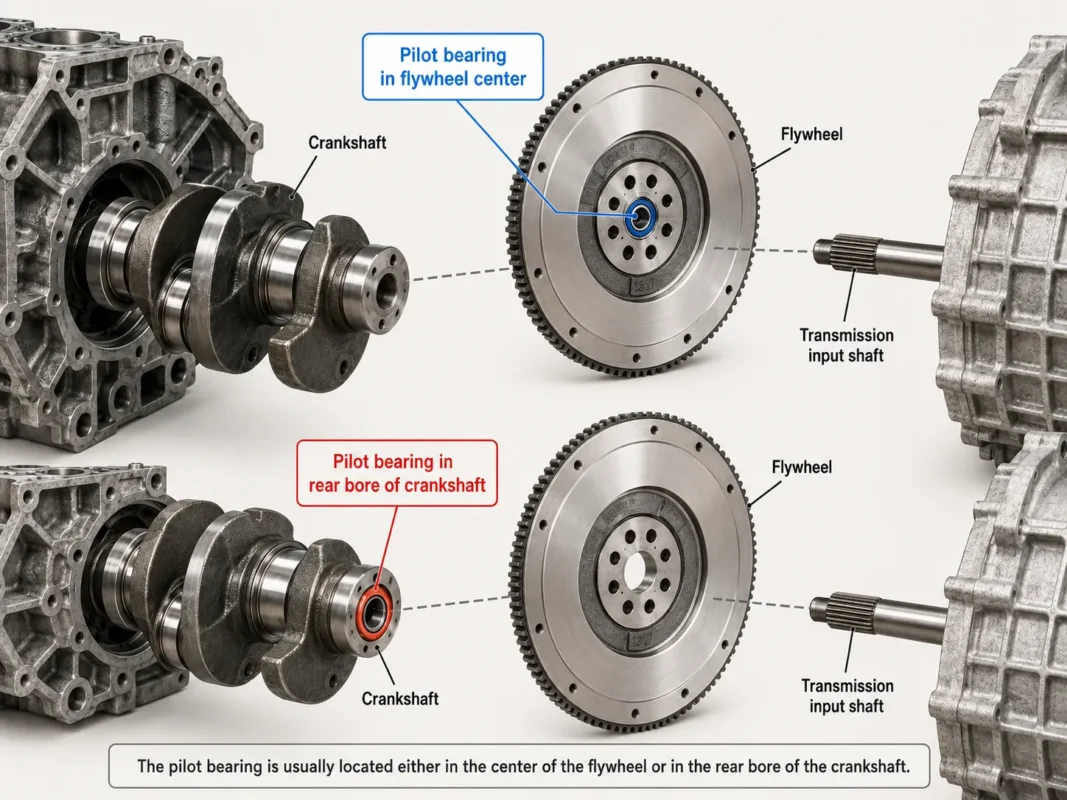
Its function is not to support the flywheel. Its real job is to support and center the front end of the transmission input shaft.
So, when people say “flywheel bearing,” they usually mean the pilot bearing used near the flywheel and crankshaft area.So, in the following, when I say “flywheel bearings,” I am referring to these pilot bearings or bushings.
They are a small bearing, but they play an important role in clutch operation, transmission input shaft alignment, and smooth power transmission.
Part 2. How Does Flywheel Bearing Work?
To understand the pilot bearing, you first need to follow the power flow in the drivetrain: the engine generates torque, which passes through the crankshaft, then the flywheel, the clutch disc, and finally to the transmission input shaft. The pilot bearing is a small but critical component in this chain because it ensures the input shaft remains properly aligned.
When the clutch is engaged (pedal released), the engine torque is transmitted directly from the crankshaft through the flywheel and clutch disc to the transmission input shaft. At this time, the pilot bearing keeps the input shaft centered and aligned with the crankshaft and flywheel. Without it, the input shaft could wobble, causing vibration, misalignment, and uneven wear on the clutch disc and transmission components.
When the clutch is disengaged (pedal pressed), the clutch disc separates the crankshaft from the transmission input shaft, which may now rotate at a different speed from the engine. The pilot bearing acts as a low-friction guide, allowing the input shaft to spin freely while staying properly aligned. This prevents tilting or shifting of the shaft and ensures smooth gear engagement when the clutch is re-engaged.
In short, although the pilot bearing does not transmit engine torque, it supports and guides the transmission input shaft, keeping it properly aligned, reducing stress on the clutch, and ensuring smooth drivetrain operation during both engagement and disengagement.
Part 3. Which Bearings Are Used in Flywheel?
Flywheel bearings are generally categorized into three main types.
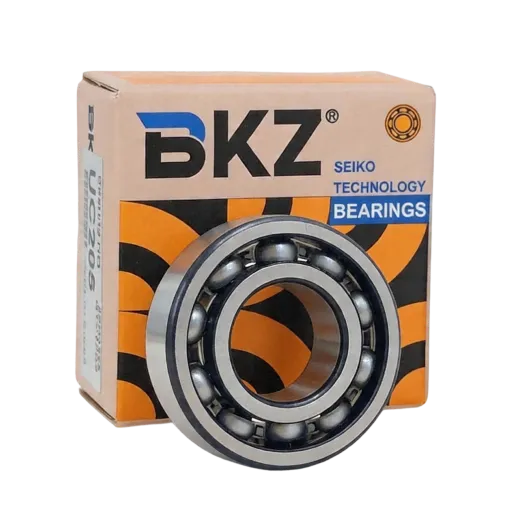
1. Deep Groove Ball Bearings
These contain small steel balls as rolling elements, providing low-friction guidance for the transmission input shaft. They are commonly used in smaller engines or machinery where radial loads on the input shaft are moderate.
2. Needle Roller Bearings
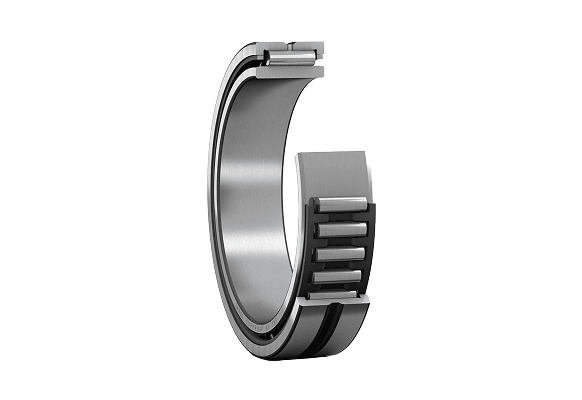
These use long, thin cylindrical rollers, which allow them to handle higher radial loads than ball-type pilot bearings. They are often found in larger engines or heavy-duty machinery, where the input shaft is subject to significant radial stress.
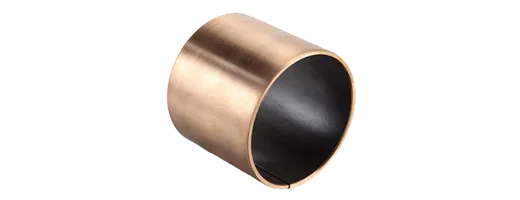
3. Bronze Bushings
These do not contain rolling elements and rely on oil or other lubricants between the shaft and bearing surface. Their simple, durable design makes them suitable for light-duty applications or older machinery designs.
Part 4. When to Replace Flywheel Bearings?
After understanding pilot bearings, you might wonder when replacement becomes necessary. When a pilot bearing fails or wears out, several symptoms may appear:
- Abnormal vibration: You may feel vibration in the clutch pedal, transmission, or drivetrain while the engine is running. This is usually caused by input shaft wobbling due to a worn or damaged pilot bearing.
- Excessive noise: High-pitched squealing, grinding, or rattling from the flywheel area—whether the clutch is engaged or disengaged—indicates deteriorated bearing or bushing surfaces.
- Unusual heat: Overheating near the flywheel center or crankshaft rear bore results from increased friction between the input shaft and the pilot bearing or bushing.
- Surface damage or wear: Visible scoring, scratches, or deformation during inspection can lead to misalignment, premature clutch disc wear, and difficulty engaging gears. To check this, please get the technical engineer for this work.
Flywheel bearings are small and often hidden, but their failure can significantly affect drivetrain performance. So when you have these signs, you can get an engineer to check the bearings and let him/her decide whether it needs to be replaced or not.
Part 5. Where to Buy Flywheel Bearings?
If your flywheel bearing needs to be replaced, the first step is to identify the type of bearing your vehicle uses. In the market, pilot bearings may be supplied in different ways:
| Supply Type | Meaning |
| Flywheel with pilot bearing | The pilot bearing is already installed in the flywheel or supplied as part of the flywheel assembly. |
| Flywheel only | The flywheel is supplied without the pilot bearing. The pilot bearing may need to be purchased and installed separately. |
| Pilot bearing only | The bearing is sold as a separate replacement part for repair or maintenance. |
Once you know the type of bearing you need, you can source it from the appropriate supplier. If you are a wholesale distributor or a repair company looking to purchase flywheel bearings in bulk, you can contact BKZ Industry. Provide the bearing number, any other relevant specifications, and the quantity you need. As a bearing manufacturer, BKZ Industry can supply most types of pilot bearings and flywheel-related bearings, ensuring you get the correct part for your application.
Final Words
Now you should have a clear understanding of what a flywheel bearing is. In most cases, the so-called flywheel bearing actually refers to a pilot bearing or pilot bushing. It is not a structural part of the flywheel itself, and it is not used to support the flywheel.
Instead, its main function is to support and guide the transmission input shaft, keep it properly aligned, and help the clutch and drivetrain operate smoothly.
If you need to buy flywheel bearings (pilot bearings or pilot bushings), you can contact BKZ Industry. Send us the bearing number, specifications, and quantity you need, and our team will help you find the correct bearing and provide a quotation.