Anti-friction bearing may be an unfamiliar term if you are new to the bearing industry. So, in this article, I will explain its definition, compare friction bearings and anti-friction bearings, and cover the main types, materials, advantages, disadvantages, and common uses.
If you need anti-friction bearings, contact BKZ Industry. We are a bearing manufacturer with two factories and can supply 10,000+ bearing models for different industrial applications.
Part 1. What Is an Anti-Friction Bearing?
An anti-friction bearing is a bearing that uses rolling elements, such as balls or rollers, to support a rotating shaft and reduce friction between moving parts. In general, anti-friction bearings are also called rolling bearings.
However, an anti-friction bearing does not mean a zero-friction bearing. It still has friction, but the balls or rollers help replace sliding contact with rolling contact, so the friction is much lower than in plain bearings.
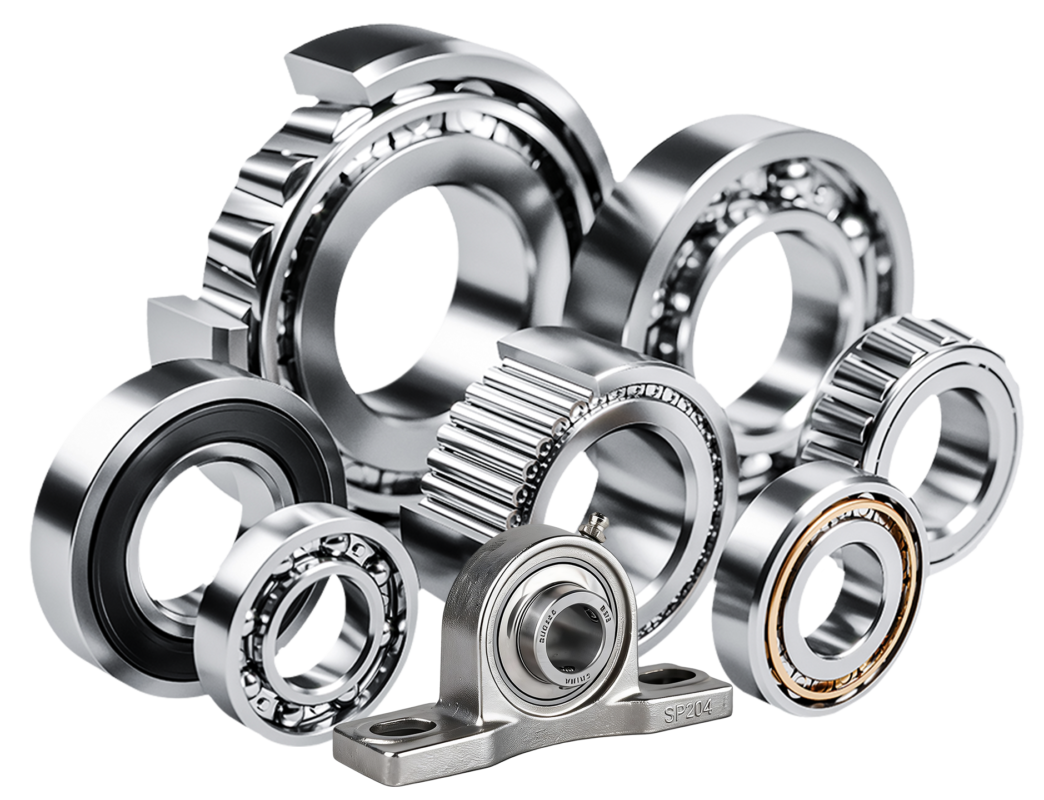
Here are some anti friction bearing examples for you to understand.
Part 2. Friction Bearing vs Anti-Friction Bearing: What Are Their Differences?
After understanding the definition of anti-friction bearings, you may still not have a clear picture of what it is and how they are different from friction bearings.
So in this part, I will first explain what friction bearings are, and then compare friction bearings and anti-friction bearings to help you understand the difference more clearly.
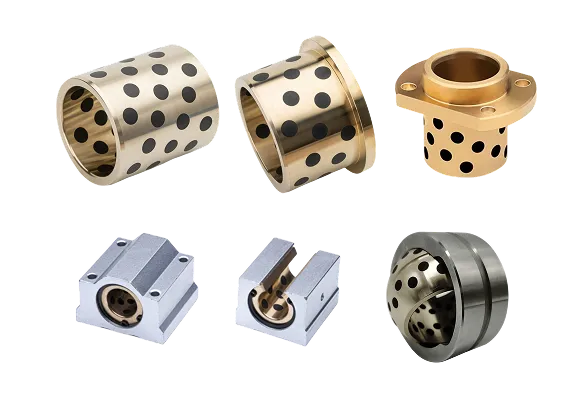
Different from anti-friction bearings, friction bearings use direct sliding contact to support the shaft. There are no balls or rollers between the shaft and the bearing surface. Because of this, friction bearings are also commonly called plain bearings, sliding bearings, sleeve bearings, or bushings.
Here are some friction bearing examples for you to understand.
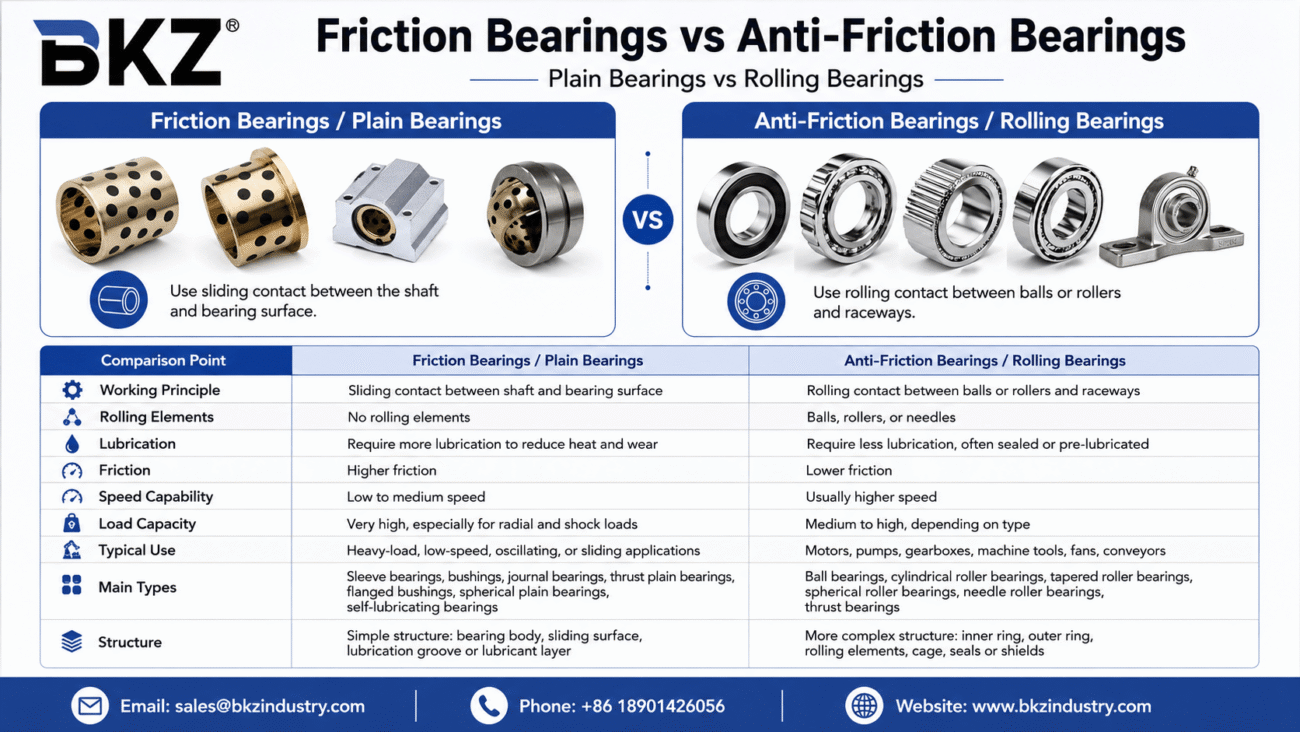
To understand anti-friction bearings and friction bearings more clearly, let’s check the main differences between them with this comparison table.
Part 3. Anti Friction Bearing Types
Now you know that anti-friction bearings are rolling bearings that use balls or rollers as rolling elements. Then you may want to know what the main types of anti-friction bearings are.
In general, anti-friction bearings can be divided into the following major types.
Ball Bearings
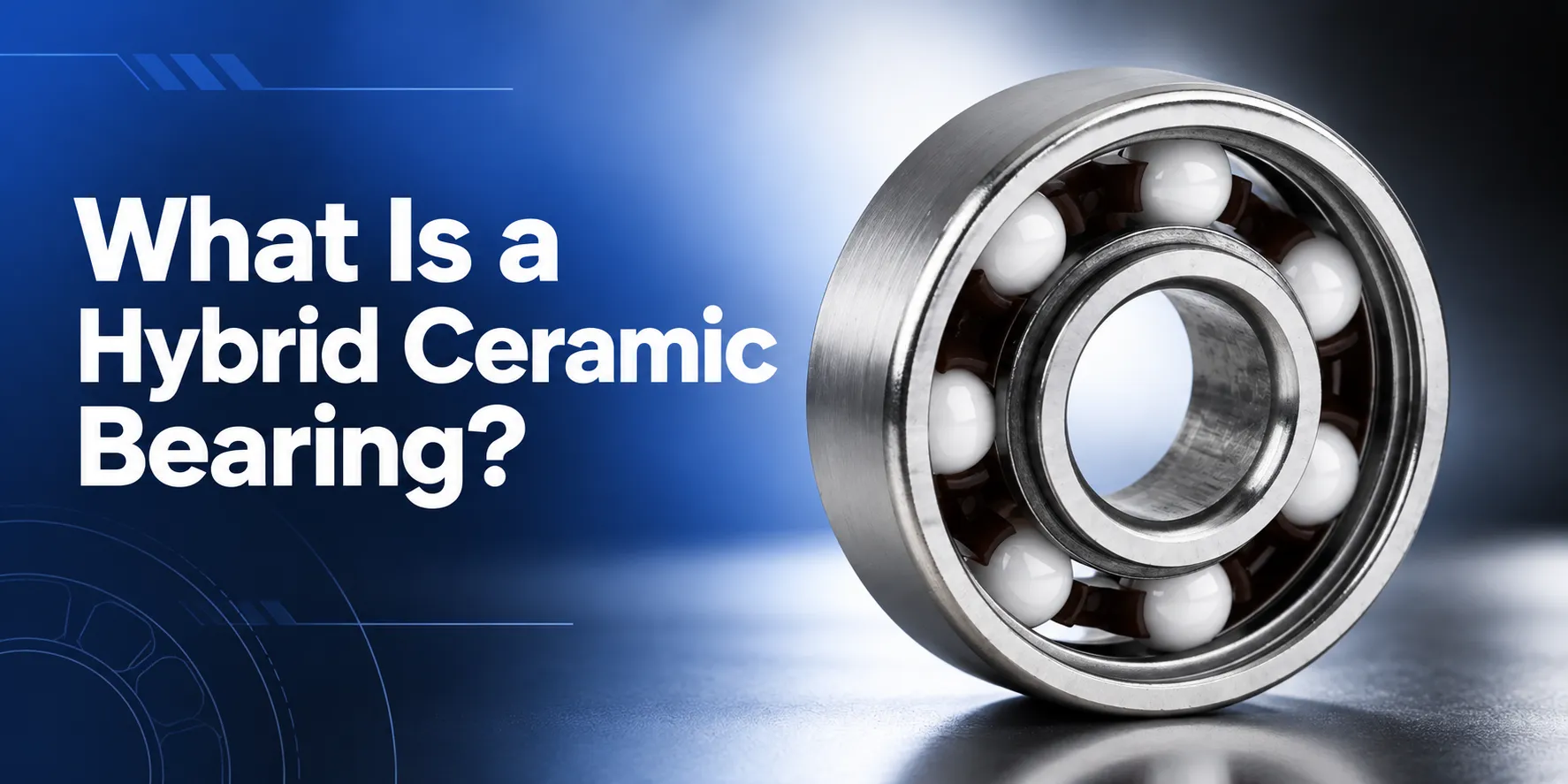
Ball bearings are one of the most common types of anti-friction bearings. They use steel balls, ceramic balls, or other precision balls as the rolling elements to reduce friction and support rotating motion.
Common ball bearing types include:
- Deep groove ball bearings
- Angular contact ball bearings
- Thrust ball bearings
- Self-aligning ball bearings
Roller Bearings
Roller bearings are another major type of anti-friction bearing. Different from ball bearings, they use rollers as the rolling elements. Because rollers have a larger contact area than balls, roller bearings are often used for heavier load applications.
Based on the roller shape and bearing design, common roller bearing types include:
- Cylindrical roller bearings
- Tapered roller bearings
- Spherical roller bearings
- Needle roller bearings
Bearing Units
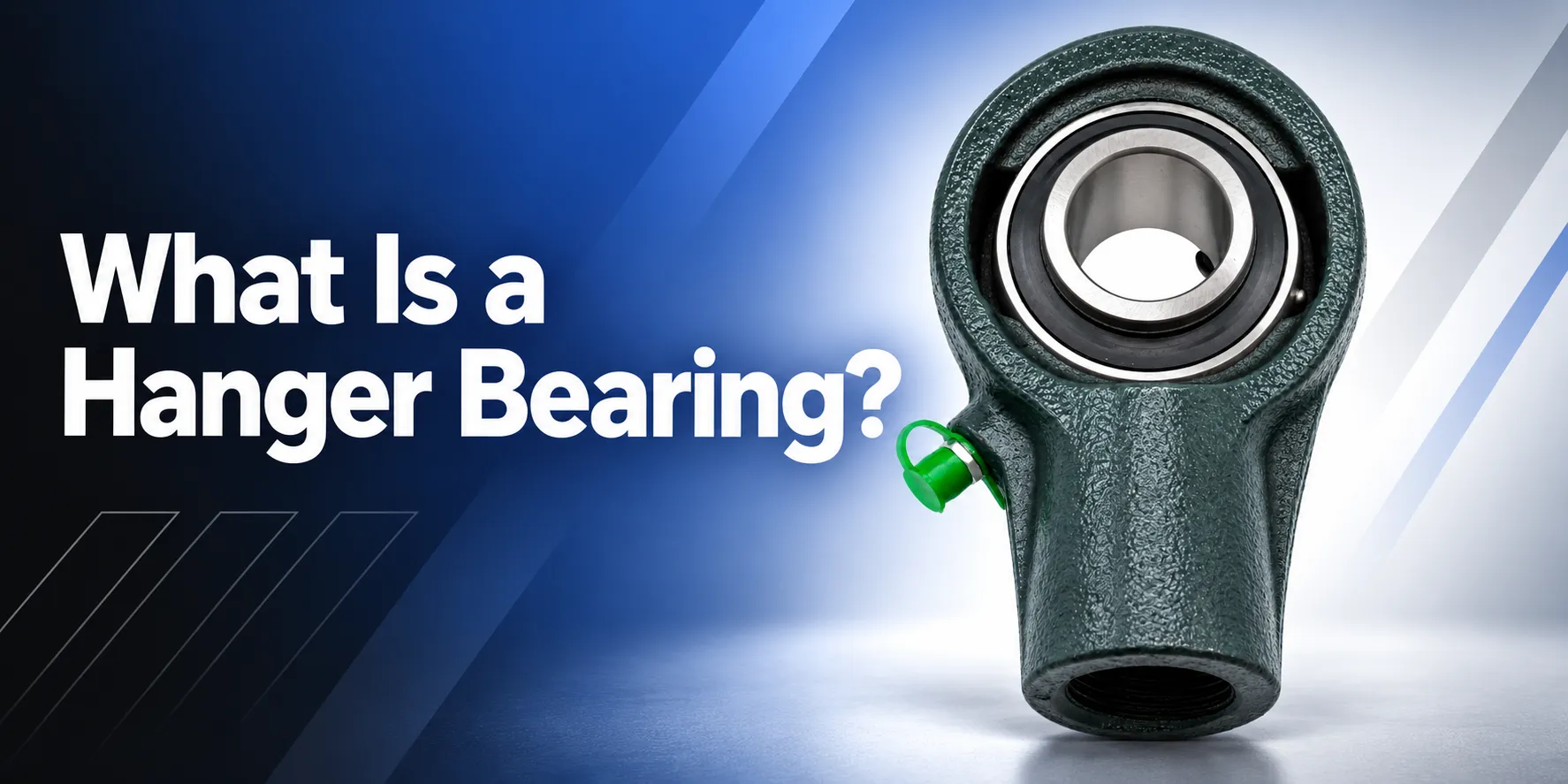
Bearing units are also commonly used anti-friction bearing assemblies. A bearing unit usually includes a ball bearing or roller bearing installed inside a housing. This design makes installation easier and helps support the shaft in machines, conveyors, agricultural equipment, and other industrial systems.
Typical bearing unit types include:
- UCP pillow block bearing units
- UCF square flange bearing units
- UCFL oval flange bearing units
- UCFT take-up bearing units
So, strictly speaking, a bearing unit is not classified by rolling element shape. It is an assembled bearing solution that combines a rolling bearing with a bearing housing.
Part 4. Anti-Friction Bearing Materials
Anti-friction bearings have different types and can be made from different materials, depending on the application, load, speed, temperature, corrosion resistance requirements, and working environment.
A bearing is not made from only one material. Different parts of the bearing may use different materials, such as bearing steel for the rings, steel or ceramic for the rolling elements, brass or polymer for the cage, and rubber or metal for the seals.
Here are the common materials used in anti-friction bearings.
| Bearing Part | Common Materials |
| Rings | Chrome bearing steel, stainless steel, ceramic |
| Rolling Elements | Chrome steel balls or rollers, stainless steel balls or rollers, ceramic balls or rollers |
| Cage | Steel, brass, polyamide, PEEK, phenolic resin |
| Seals / Shields | NBR, FKM, PTFE, metal shields |
| Lubrication | Grease, oil, solid lubricants |
For most standard industrial bearings, chrome bearing steel is the most common material because it provides good hardness, wear resistance, and load capacity. Stainless steel is often used when corrosion resistance is important. Ceramic materials are used in high-speed, high-temperature, corrosion-resistant, or electrically insulating applications.
The cage material also matters. Steel and brass cages are common in heavy-duty or high-temperature applications, while polyamide, PEEK, and phenolic resin cages are often used when lower weight, lower friction, or better high-speed performance is required.
Part 5. Anti Friction Bearing Advantages and Disadvantages
After understanding what anti-friction bearings are, you may also want to know their advantages and disadvantages. This can help you decide when to choose anti-friction bearings and when other bearing types may be more suitable.
Here are the main advantages and disadvantages of anti-friction bearings.
| Advantages | Disadvantages |
| Much lower friction | Higher cost than simple friction bearings |
| Suitable for high-speed operation | Sensitive to dust, water, and contamination |
| Reduces heat and machine wear | Requires correct lubrication |
| Improves energy efficiency | Needs accurate installation and alignment |
| Available in many types and sizes | Some types are not ideal for heavy shock loads |
| Used in many industries and machines | Rolling fatigue can occur after long-term operation |
In general, anti-friction bearings are a good choice when the machine needs lower friction, higher speed, better energy efficiency, and easier replacement. However, they are not always the best choice for every application. In very dirty, wet, heavily shocked, or slow-speed oscillating conditions, some friction bearings may be more practical.
Part 6. Anti-Friction Bearing Uses
Because of their advantages, such as lower friction, higher speed capability, better energy efficiency, easier replacement, and a wide range of available types, anti-friction bearings are commonly used in rotating machines and industrial equipment.
Here are some common applications of anti-friction bearings.
| Industry / Equipment | Common Anti Friction Bearing Types |
| Electric motors | Deep groove ball bearings, cylindrical roller bearings |
| Pumps and fans | Deep groove ball bearings, angular contact ball bearings |
| Gearboxes | Cylindrical roller bearings, tapered roller bearings |
| Automotive | Tapered roller bearings, hub bearings, needle roller bearings |
| Machine tools | Angular contact ball bearings, spindle bearings |
| Conveyors | Bearing units, spherical roller bearings |
| Mining equipment | Spherical roller bearings, cylindrical roller bearings |
| Agricultural machinery | Bearing units, tapered roller bearings, needle roller bearings |
| Wind turbines | Spherical roller bearings, tapered roller bearings |
| Food processing equipment | Stainless steel bearings, sealed bearings, bearing units |
Part 7. FAQs About Anti-Friction Bearings
A sleeve bearing is one type of friction bearing or plain bearing. It supports the shaft through sliding contact between the shaft and the bearing surface.
An anti-friction bearing, also called a rolling bearing, uses balls or rollers as rolling elements. These rolling elements reduce sliding contact and help lower friction during rotation.
So, the main difference is simple: sleeve bearings use sliding contact, while anti-friction bearings use rolling contact.
Anti-friction bearings are rolling bearings, so the size chart usually depends on the specific bearing type you need.
For example, if you need a deep groove ball bearing, you should check the deep groove ball bearing size chart. If you need a tapered roller bearing, you should check the tapered roller bearing size chart.
You can find different bearing size charts on the BKZ Industry website. If you do not know the bearing size or cannot find the right model, you can send us the bearing number, application information, or required quantity. Our team can help check the size and provide a quotation.
Yes. BKZ Industry is a bearing manufacturer that supplies many types of anti-friction bearings, including ball bearings, roller bearings, needle roller bearings, thrust bearings, and other rolling bearing solutions. You can contact BKZ Industry with your bearing number, size, application, or quantity, and our team will help you find a suitable bearing solution.
Common signs of anti-friction bearing failure include abnormal noise, strong vibration, unusual heat, unstable rotation, lubricant leakage, rust, wear marks, cracks, or surface damage.
If you find these signs, the bearing should be inspected by a trained engineer. If replacement is needed, you can send the bearing number, size, or machine information to BKZ Industry. We can help you find the right replacement bearing.
No. These bearings are not usually classified as standard anti-friction bearings. In most industrial use, anti-friction bearings refer to rolling bearings that use balls or rollers. Magnetic bearings, air bearings, oil-film bearings, water-lubricated bearings, hydrostatic bearings, and hydrodynamic bearings are special bearing types. Some of them use fluid film, air pressure, magnetic force, or pressurized lubrication to support the shaft instead of rolling elements. So, they are better understood as special bearings, fluid-film bearings, or non-contact bearing systems, depending on the specific design.
Conclusion
Now you know what an anti-friction bearing is, how it differs from a friction bearing, its types, materials, advantages and disadvantages, uses, and more. I am sure you now have a clear picture that anti-friction bearings are rolling bearings, and you know when to use these types of bearings.
If you need anti-friction bearings, such as ball bearings, roller bearings, and bearing units, or friction bearings, such as sleeve bearings, spherical plain bearings, and more, or customized bearing solutions, you can contact BKZ Industry. As a bearing manufacturer with two factories and 10,000+ bearing models, BKZ Industry can help you choose suitable bearings for your application and provide a fast quotation.