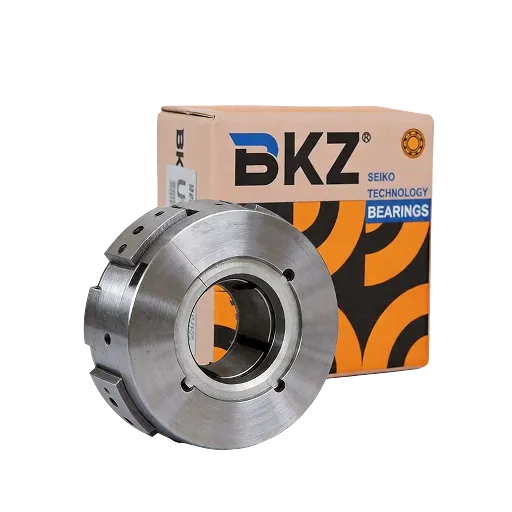
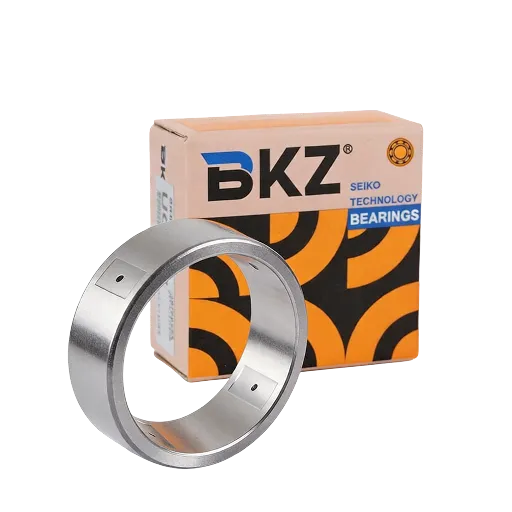
Journal Bearing Manufacturer

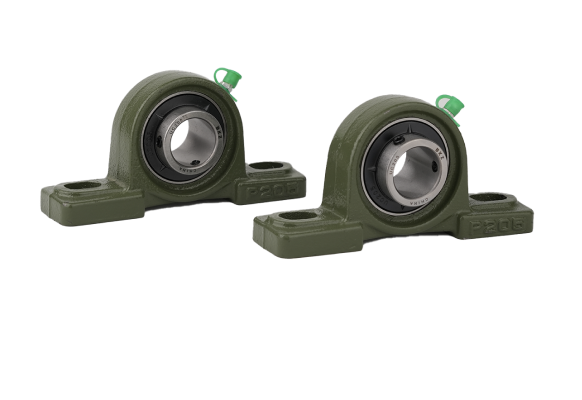
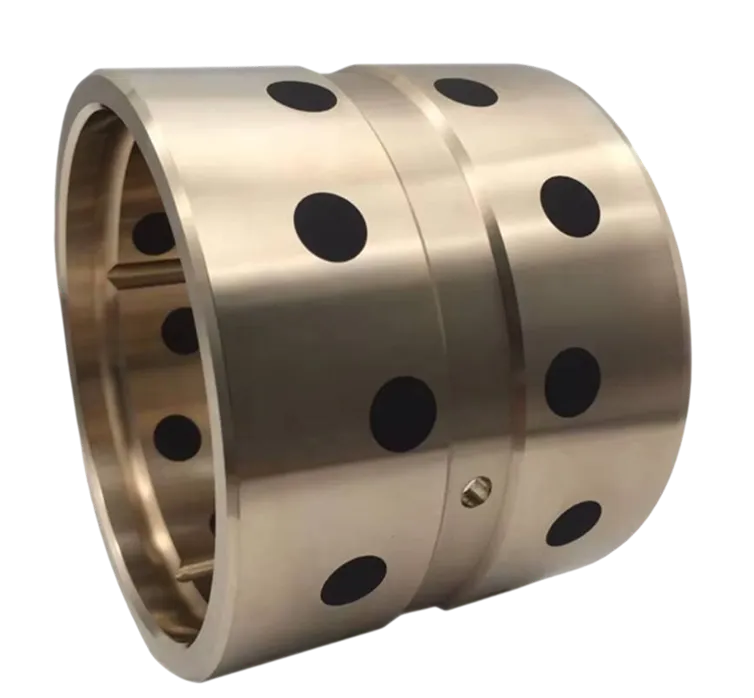
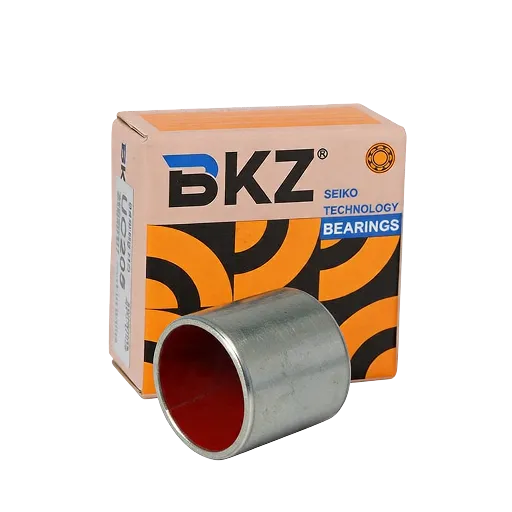
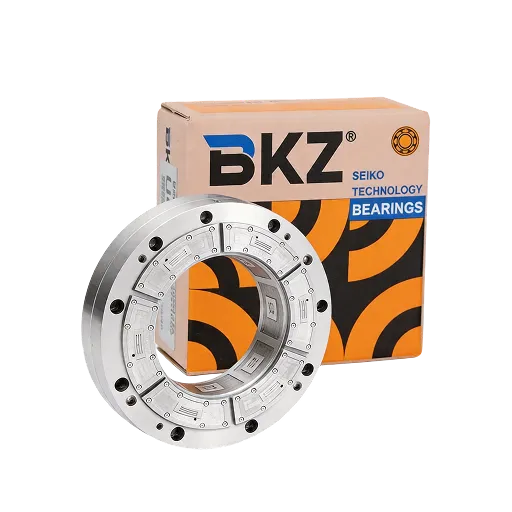
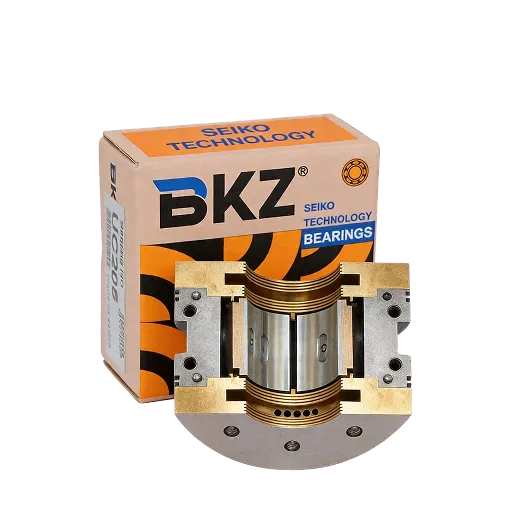
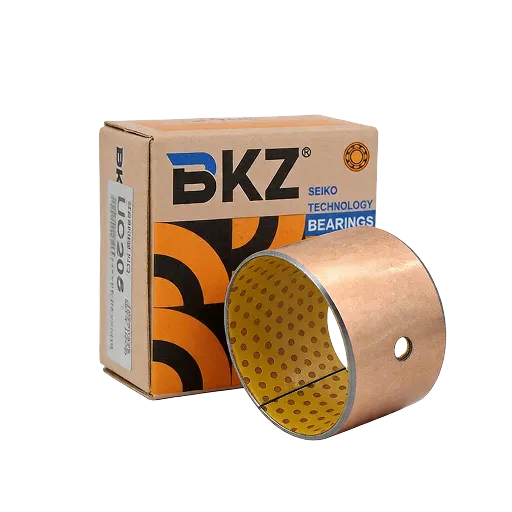
BKZ Industry, a professional China journal bearing manufacturer, offers high-performance journal bearings, a type of sliding bearing that supports rotating shafts through sliding contact and a stable lubricating film rather than rolling elements.
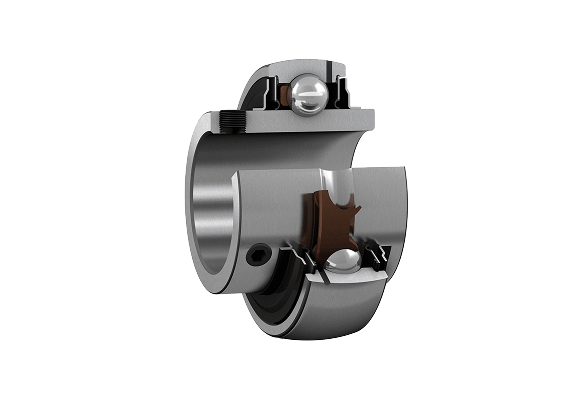
These bearings are typically composed of a shaft journal, bearing sleeve or bushing, and housing. Depending on design and operating conditions, they may include lubrication grooves, oil holes, oil pockets, or sealing arrangements to ensure reliable performance in different applications.
With a large contact area, journal bearings are well suited for heavy radial loads, while also providing good vibration damping, low noise, and long service life when properly designed and lubricated.
With 15 years of manufacturing experience and ISO 9001 certification, BKZ Industry supplies a wide range of solutions, including hydrodynamic, hydrostatic, hybrid, split, and tilting pad journal bearings, tailored to specific application requirements.
Material and lining options are available based on customer needs, including Babbitt-lined steel or bronze shells, bronze and aluminum alloys, PTFE or polymer composite liners, graphite/carbon materials for water-lubricated service, and stainless or corrosion-resistant alloys for wet or demanding environments.

Journal Bearing Manufacturer Bkz Industry

Features and Benefits of BKZ Industry Journal Bearings

Journal bearings from BKZ Industry deliver reliable performance through advanced materials, precise manufacturing, and application-driven engineering solutions.

Features of Journal Bearings

High Radial Load Capacity

Journal bearings provide a large continuous contact area between the shaft and bearing surface, allowing loads to be distributed more evenly. This makes them well suited for supporting heavy radial loads while reducing localized stress and improving durability.

Excellent Vibration Damping

The lubricating film formed during operation helps absorb and damp vibration energy, while the sliding contact structure avoids the impact effects associated with rolling elements. This results in smoother operation and improved stability under varying load conditions.

Quiet Operation

Journal bearings operate without rolling elements, eliminating rolling noise and impact. The continuous lubricating film separates the shaft and bearing surface, reducing friction and minimizing noise for stable and quiet performance.

Long Service Life

By operating under hydrodynamic or hydrostatic lubrication, journal bearings minimize direct metal-to-metal contact. This significantly reduces wear and extends service life, especially in continuous or heavy-duty applications.

Suitable for Large Rotating Equipment

With their simple structure and high load capacity, journal bearings are widely used in large rotating machinery. They are particularly suitable for applications involving heavy loads, large shaft sizes, and continuous operation.

Why Choose BKZ Industry Journal Bearings

50+ Professional Engineering Team

BKZ Industry has an experienced engineering team capable of understanding application requirements and providing optimized solutions. Key factors such as load, speed, lubrication method, clearance, shaft surface finish, and operating conditions are carefully considered to ensure reliable performance.

Various Materials for Different Applications

BKZ Industry offers a wide range of material and lining options, including Babbitt-lined steel or bronze shells, bronze and aluminum alloys, PTFE or polymer composite liners, graphite/carbon materials for water-lubricated service, and corrosion-resistant alloys for demanding environments.

Strict Manufacturing and Quality Control

Strict quality control is applied throughout production, using advanced equipment such as CNC machining, roundness testers, roughness testers, and CMM to ensure accurate dimensions, proper clearances, and reliable performance.

Experienced Global Supply

With over 15 years of manufacturing experience, BKZ Industry serves customers in more than 50 countries, providing stable quality, reliable delivery, and professional support for international markets.

OEM & Custom Solutions Available

BKZ Industry provides customized journal bearing solutions based on drawings, specifications, or application requirements, including design, material selection, and OEM service support.

Journal Bearing Types

Journal bearings can be classified based on lubrication principles and structural design, allowing them to meet different requirements in load, speed, stability, and operating conditions. Common types include hydrodynamic, hydrostatic, hybrid, split, tilting pad, and multi-lobe journal bearings, each designed for specific applications.

Hydrodynamic Journal Bearings

Hydrodynamic Journal Bearings

Featuring a cylindrical sleeve structure, hydrodynamic journal bearings operate by forming a stable oil film through shaft rotation. Commonly lined with Babbitt or bronze alloys, they provide excellent anti-friction and load-carrying capability. Their main advantage is efficient operation at high speeds, making them widely used in turbines, compressors, pumps, and power generation equipment.

Hydrostatic Journal Bearings

Hydrostatic Journal Bearings

Designed with external lubrication channels, hydrostatic journal bearings use pressurized oil supply to maintain a full oil film even at low or zero speed. Typically made with precision-machined steel shells and high-performance liners, they offer superior positioning accuracy and stiffness. Their key advantage is zero-start wear, commonly used in machine tools, precision spindles, and heavy-duty positioning systems.

Hybrid Journal Bearings

Hybrid Journal Bearings

Hybrid journal bearings combine hydrostatic and hydrodynamic lubrication mechanisms within a precision sleeve structure. Using advanced composite or Babbitt lining materials, they ensure stable support during startup and efficient operation at higher speeds. Their main benefit is versatility across varying conditions, making them suitable for turbines, compressors, and variable-speed industrial machinery.

Split Journal Bearings

Split Journal Bearings

Split journal bearings feature a two-piece or multi-segment design that allows installation without shaft removal. Typically made from steel-backed Babbitt or bronze materials, they maintain strong load capacity while simplifying maintenance. Their biggest advantage is easy installation and servicing, widely used in large rotating equipment such as conveyors, marine shafts, and heavy industrial drives.

Tilting Pad Journal Bearings

Tilting Pad Journal Bearings

Constructed with multiple pivoting pads, tilting pad journal bearings automatically adjust to shaft position and load distribution. Often lined with high-performance Babbitt, they provide excellent stability and prevent rotor instability. Their key advantage is superior vibration control, making them ideal for high-speed applications such as steam turbines, gas turbines, and generators.

Multi Lobe Bearings

Multi-Lobe (Elliptical / Offset) Bearings

These bearings feature non-circular internal profiles such as elliptical or offset geometries to enhance oil film stability. Typically manufactured with precision-machined shells and anti-friction liners, they help reduce shaft vibration and improve dynamic performance. Their main strength is improved rotor stability, commonly used in compressors, pumps, and medium-speed rotating equipment.

*Other types, such as plain cylindrical journal bearings, sleeve (bushing) bearings, and various custom designs, are also available. Please contact us for your specific application requirements.

Journal Bearing Size Chart

Journal bearings do not follow standardized ISO size series, as they are typically designed based on specific application requirements. The sizes listed here are representative dimensions from previous projects and are provided for reference only. For customized sizes, please contact us with your requirements.

Shaft Diameter (in) Lining Material Weight (lb) Base Length (A) (in) Base Width (B) (in) Shaft Center Height (C) (in) Base Thickness (D) (in) Overall Height (E) (in) Mounting Bolt Diameter (F) (in) Housing Height (H) (in) Housing Length (K) (in) Housing Width (L) (in) Shaft Center to Base (M) (in) Lubrication Port Size (Pipe Tap)
1/2 Babbitt 0.7 3/4 3 3/4 1 3/8 2 7/8 5/16 1 1/2 2 1/8 1 3/8 1/2 1/8
5/8 Babbitt 1.2 7/8 4 1/4 1 1/8 1/2 3 1/4 5/16 1 3/4 2 1/2 1 5/8 1/2 1/8
11/16 Babbitt 1.2 7/8 4 1/4 1 1/8 1/2 3 1/4 5/16 1 3/4 2 1/2 1 5/8 1/2 1/8
3/4 Babbitt 1.2 7/8 4 1/4 1 1/8 1/2 3 1/4 5/16 1 3/4 2 1/2 1 5/8 1/2 1/8
7/8 Babbitt 1.9 1 4 3/4 1 3/8 9/16 3 5/8 3/8 2 1/16 3 2 9/16 1/8
15/16 Babbitt 1.9 1 4 3/4 1 3/8 9/16 3 5/8 3/8 2 1/16 3 2 9/16 1/8
1 Babbitt 1.9 1 4 3/4 1 3/8 9/16 3 5/8 3/8 2 1/16 3 2 9/16 1/8
1 1/16 Babbitt 3 1 1/4 5 1/4 1 5/8 5/8 4 1/8 3/8 2 7/16 3 1/2 2 1/2 5/8 1/8
1 1/8 Babbitt 3 1 1/4 5 1/4 1 5/8 5/8 4 1/8 3/8 2 7/16 3 1/2 2 1/2 5/8 1/8
1 3/16 Babbitt 3 1 1/4 5 1/4 1 5/8 5/8 4 1/8 3/8 2 7/16 3 1/2 2 1/2 5/8 1/8
1 1/4 Babbitt 3 1 1/4 5 1/4 1 5/8 5/8 4 1/8 3/8 2 7/16 3 1/2 2 1/2 5/8 1/8
1 5/16 Babbitt 4 1 3/8 6 1/4 2 3/4 4 7/8 1/2 2 11/16 3 7/8 3 11/16 1/8
1 3/8 Babbitt 4 1 3/8 6 1/4 2 3/4 4 7/8 1/2 2 11/16 3 7/8 3 11/16 1/8
1 7/16 Babbitt 4 1 3/8 6 1/4 2 3/4 4 7/8 1/2 2 11/16 3 7/8 3 11/16 1/8
1 1/2 Babbitt 4 1 3/8 6 1/4 2 3/4 4 7/8 1/2 2 11/16 3 7/8 3 11/16 1/8
1 5/8 Babbitt 6 1 1/2 6 3/4 2 1/4 13/16 5 1/4 1/2 3 4 3/8 3 1/2 3/4 1/4
1 11/16 Babbitt 6 1 1/2 6 3/4 2 1/4 13/16 5 1/4 1/2 3 4 3/8 3 1/2 3/4 1/4
1 3/4 Babbitt 6 1 1/2 6 3/4 2 1/4 13/16 5 1/4 1/2 3 4 3/8 3 1/2 3/4 1/4
1 7/8 Babbitt / Bronze 8 1 3/4 7 1/2 2 1/2 7/8 6 5/8 3 7/16 4 7/8 4 13/16 1/4
1 15/16 Babbitt / Bronze 8 1 3/4 7 1/2 2 1/2 7/8 6 5/8 3 7/16 4 7/8 4 13/16 1/4
2 Babbitt / Bronze 8 1 3/4 7 1/2 2 1/2 7/8 6 5/8 3 7/16 4 7/8 4 13/16 1/4
2 1/8 Babbitt / Bronze 12 1 7/8 8 1/2 2 3/4 1 6 1/2 5/8 3 3/4 5 1/4 4 1/2 1 1/4
2 3/16 Babbitt / Bronze 12 1 7/8 8 1/2 2 3/4 1 6 1/2 5/8 3 3/4 5 1/4 4 1/2 1 1/4
2 1/4 Babbitt / Bronze 12 1 7/8 8 1/2 2 3/4 1 6 1/2 5/8 3 3/4 5 1/4 4 1/2 1 1/4
2 3/8 Babbitt / Bronze 15 2 1/8 8 7/8 3 1 1/8 7 5/8 4 3/16 5 3/4 5 1 1/4
2 7/16 Babbitt / Bronze 15 2 1/8 8 7/8 3 1 1/8 7 5/8 4 3/16 5 3/4 5 1 1/4
2 1/2 Babbitt / Bronze 15 2 1/8 8 7/8 3 1 1/8 7 5/8 4 3/16 5 3/4 5 1 1/4
2 5/8 Babbitt / Bronze 18.5 2 1/4 10 3 1/4 1 3/16 7 3/4 3/4 4 1/2 6 3/8 5 1/2 1 1/8 1/4
2 11/16 Babbitt / Bronze 18.5 2 1/4 10 3 1/4 1 3/16 7 3/4 3/4 4 1/2 6 3/8 5 1/2 1 1/8 1/4
2 3/4 Babbitt / Bronze 18.5 2 1/4 10 3 1/4 1 3/16 7 3/4 3/4 4 1/2 6 3/8 5 1/2 1 1/8 1/4
2 15/16 Babbitt / Bronze 22.5 2 1/2 10 3/4 3 1/2 1 3/16 8 1/2 3/4 4 7/8 6 3/4 6 1 1/8 3/8
3 Babbitt / Bronze 22.5 2 1/2 10 3/4 3 1/2 1 3/16 8 1/2 3/4 4 7/8 6 3/4 6 1 1/8 3/8
3 7/16 Babbitt / Bronze 35 2 7/8 12 4 1 1/2 9 1/4 7/8 5 5/8 7 5/8 7 1 3/8 1/2
3 1/2 Babbitt / Bronze 35 2 7/8 12 4 1 1/2 9 1/4 7/8 5 5/8 7 5/8 7 1 3/8 1/2
3 15/16 Babbitt / Bronze 46 3 1/8 13 1/2 4 1/2 1 5/8 10 1/2 1 6 3/16 8 1/2 8 1 1/2 1/2
4 Babbitt / Bronze 46 3 1/8 13 1/2 4 1/2 1 5/8 10 1/2 1 6 3/16 8 1/2 8 1 1/2 1/2

Where Are Journal Bearings Used?

Journal bearings are widely used in a variety of applications due to their ability to support large shaft sizes, high radial loads, and provide smooth, quiet operation. Below are some of the most common applications.

FAQs About Journal Bearings

Q1. Journal Bearing vs Thrust Bearing: What Are Their Differences?

The key difference is that journal bearings support radial loads, while thrust bearings support axial loads. Journal bearings operate with sliding contact and a lubricating oil film, whereas thrust bearings can use either sliding or rolling contact, depending on their design.

The main difference is that journal bearings use sliding contact with a lubricating oil film to reduce friction, while ball bearings use rolling elements (balls) for rotation and load support.
For the same size, journal bearings can typically carry higher radial loads. They also provide smoother and quieter operation, while ball bearings generally generate more noise.
However, it is not correct to say one is better than the other. Each type is designed for specific applications, depending on load, speed, lubrication, and precision requirements.

Clearance ratio in a journal bearing is the ratio between the radial clearance and the shaft diameter.
Proper clearance is essential to form a stable hydrodynamic oil film.

  • Excessive clearance can lead to reduced load capacity, vibration, and instability
  • Too small clearance may result in metal contact and overheating

Journal bearing clearance can be measured by:

  • Measuring the shaft diameter using a micrometer
  • Measuring the bearing inner diameter using a dial bore gauge
  • Calculating the clearance using the formula:

c=(D-d)/2
Where:

  • c = radial clearance
  • D = bearing inner diameter
  • d = shaft diameter

The main difference is that journal bearings operate with sliding contact, while roller bearings use rolling elements (rollers).
Journal bearings are primarily used to support radial loads, whereas roller bearings can support radial and axial loads, depending on their design.

A partial journal bearing is a type of sliding bearing that covers less than 180° of the shaft circumference.
It is easier to manufacture and install compared to full journal bearings, but it has lower load capacity due to the reduced contact area.
These bearings are commonly used in agricultural equipment, low-speed applications, and simple machinery.

No, they are not the same.
A plain bearing is a broad category of sliding bearings, while a journal bearing is a specific type of plain bearing.
Plain bearings can support radial, axial, or combined loads, whereas journal bearings are primarily designed to support radial loads.

No, they are not exactly the same.
A sleeve bearing refers to a cylindrical bushing-type structure, while a journal bearing refers to the function of supporting a rotating shaft under radial load. In many applications, sleeve bearings are used as journal bearings, so the terms are often used interchangeably.

Comprehensive Bearing Solutions from BKZ Industry

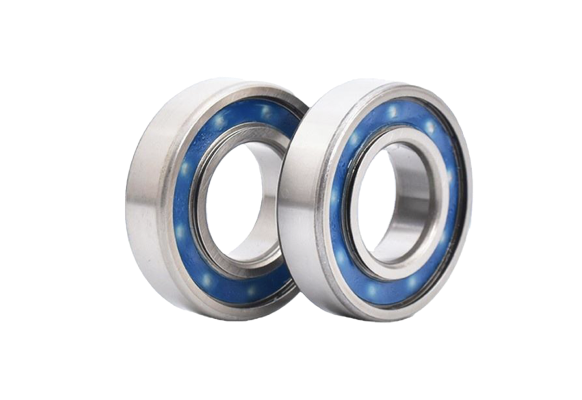
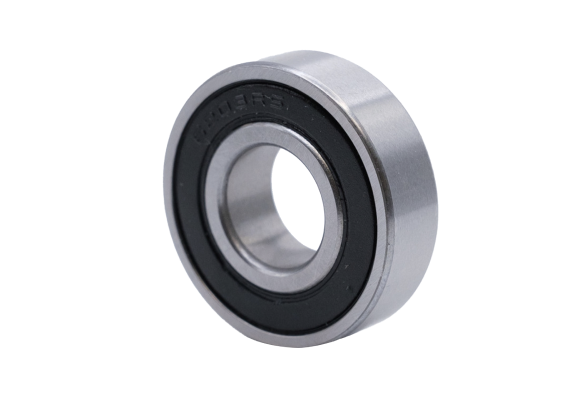
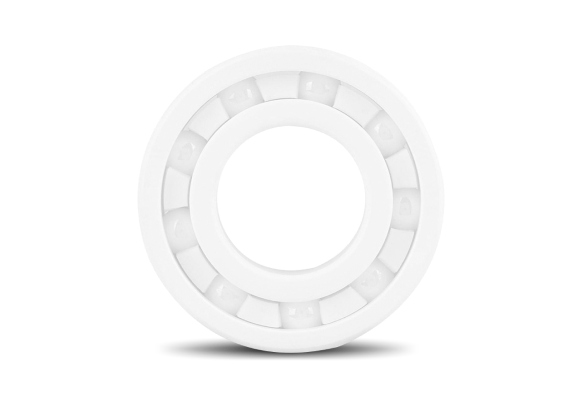
In addition to journal bearings, BKZ Industry supplies a comprehensive range of ball bearings and roller bearings to meet diverse industrial applications.

get a quote from bkz industry bearing experts

Get a Fast Quote for Journal Bearings

Send us your journal bearing requirements, and our sales and engineering team will provide optimized solutions based on your operating conditions, including bearing selection, lining material design, lubrication methods, and customized structures and dimensions. For an accurate and efficient quotation, please provide key parameters such as shaft diameter, load conditions, operating speed, lubrication type, operating temperature, clearance requirements, and working environment.

Get Quotation Now

Send us your bearing model and quantity for standard bearings, or your drawing, dimensions, and application for non-standard requirements. Use the form below or contact us at sales@bkzindustry.com or +86 18901426056 (WhatsApp/phone).