Babbitt bearings are not as widely known as deep groove ball bearings, tapered roller bearings, cylindrical roller bearings, or needle roller bearings.
But in motors, pumps, fans, turbines, generators, and other heavy rotating equipment, they still play an important role.
So what is a Babbitt bearing? How does it work? And how is it different from journal bearings and roller bearings?
In this guide, we’ll explain the basics, compare the main bearing types, introduce common Babbitt bearing designs, and show where they are used.
If you already need to buy Babbitt bearings, contact BKZ Industry directly. Send us your drawing, dimensions, application details, or working conditions, and we’ll provide a suitable solution and quotation.
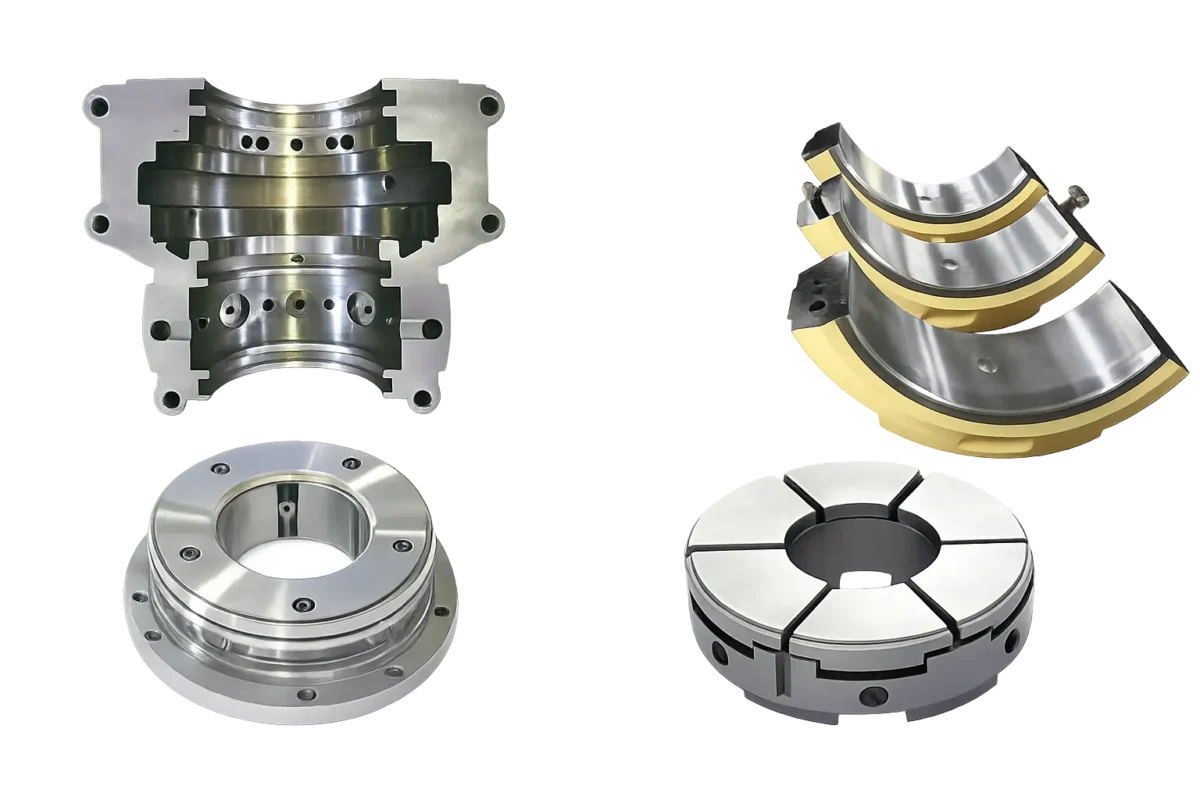
Customized Babbitt-Lined Journal Bearings Shipped to France
BKZ Industry recently completed a trial order of eight customized journal bearings with an internal Babbitt alloy layer for a customer in France. The bearings were manufactured in approximately one month and inspected before shipment.
View the Customized Bearing Project →Part 1. What is a Babbitt Bearing?
A Babbitt bearing is not a separate bearing category like a ball bearing, roller bearing, or plain journal bearing.
In most cases, it is a type of plain or sliding bearing with a layer of Babbitt metal bonded to the bearing inner surface. This soft alloy layer faces the shaft journal and forms the actual working surface of the bearing.
In other words, “Babbitt bearing” usually describes the bearing lining material, not the rolling structure.
Part 2. How Does a Babbitt Bearing Work?
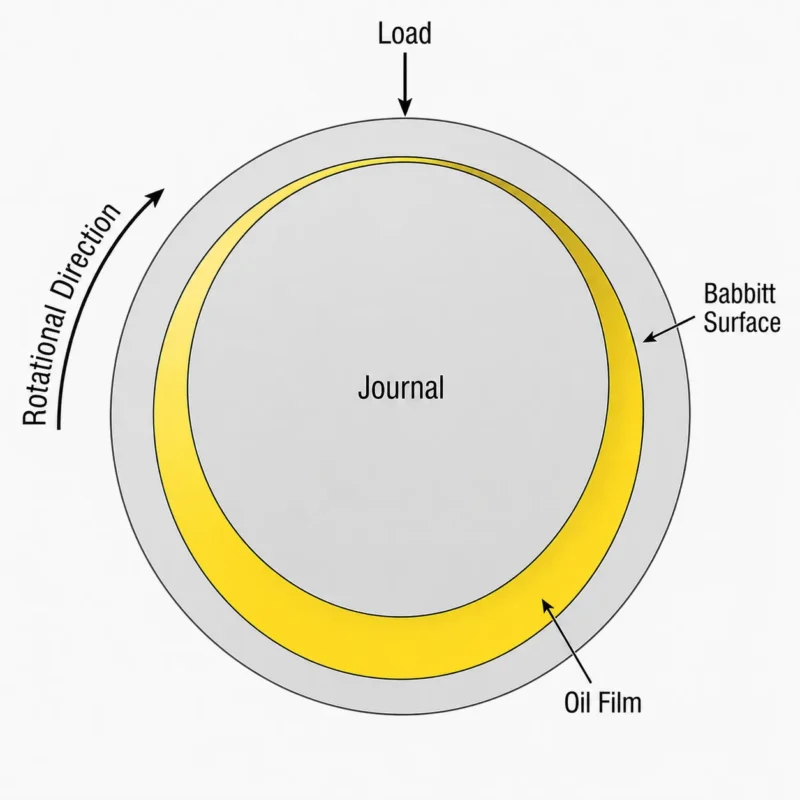
A Babbitt bearing supports a rotating shaft through sliding contact and oil-film lubrication.
During operation, lubricating oil forms a thin film between the shaft journal and the Babbitt-lined bearing surface. Under normal conditions, the shaft runs on this oil film instead of rubbing directly against the Babbitt layer.
If lubrication becomes unstable, contamination enters the system, or wear develops over time, abnormal metal-to-metal contact may occur. Because the Babbitt layer directly faces the shaft journal and is softer than the shaft, it acts as a sacrificial working surface. It is designed to wear first, helping protect the shaft and the stronger bearing backing from serious damage.
This protective function comes from the material structure of Babbitt metal. Its soft metal matrix can embed small dirt particles, reducing the risk of shaft scoring, while harder alloy particles help support load and improve wear resistance.
Part 3. Babbitt Bearing vs Journal Bearing: What Are Their Differences?
The major difference between a Babbitt bearing and a journal bearing is that a Babbitt bearing is defined by its lining material, while a journal bearing is defined by its function and structure.
Many people think a Babbitt bearing is simply one type of journal bearing. This is not always correct. In many cases, it is a Babbitt-lined journal bearing, but Babbitt-lined bearings can also be made in other forms, such as Babbitt thrust bearings.
So, both Babbitt bearings and journal bearings belong to the broader category of plain or sliding bearings. In some cases, a Babbitt bearing can be a journal bearing, but not always.
In terms of load direction, a Babbitt-lined journal bearing mainly carries radial loads, while a Babbitt-lined thrust bearing can carry axial loads. Therefore, Babbitt bearings can be designed for radial or axial loads, depending on the bearing structure, while journal bearings are mainly used for radial shaft support.
Part 4. Babbitt Bearing vs Roller Bearing: What Are Their Differences?
Babbitt bearings are plain or sliding bearings with a layer of Babbitt metal on the inner bearing surface.
The bearing uses an oil film between the Babbitt-lined surface and the shaft journal to support shaft rotation.
Roller bearings work differently. They use rollers as rolling elements to support shaft rotation.
In other words, Babbitt bearings rely on sliding contact and oil-film lubrication, while roller bearings rely on rolling contact through rollers.
Part 5. Types of Babbitt Bearings
Babbitt bearings can be divided into different types based on different classification rules.
By Load Direction
Based on the loads they carry, Babbitt bearings can be divided into Babbitt journal bearings and Babbitt thrust bearings.
Babbitt Journal Bearings
Babbitt journal bearings are mainly designed to support radial loads from a rotating shaft.
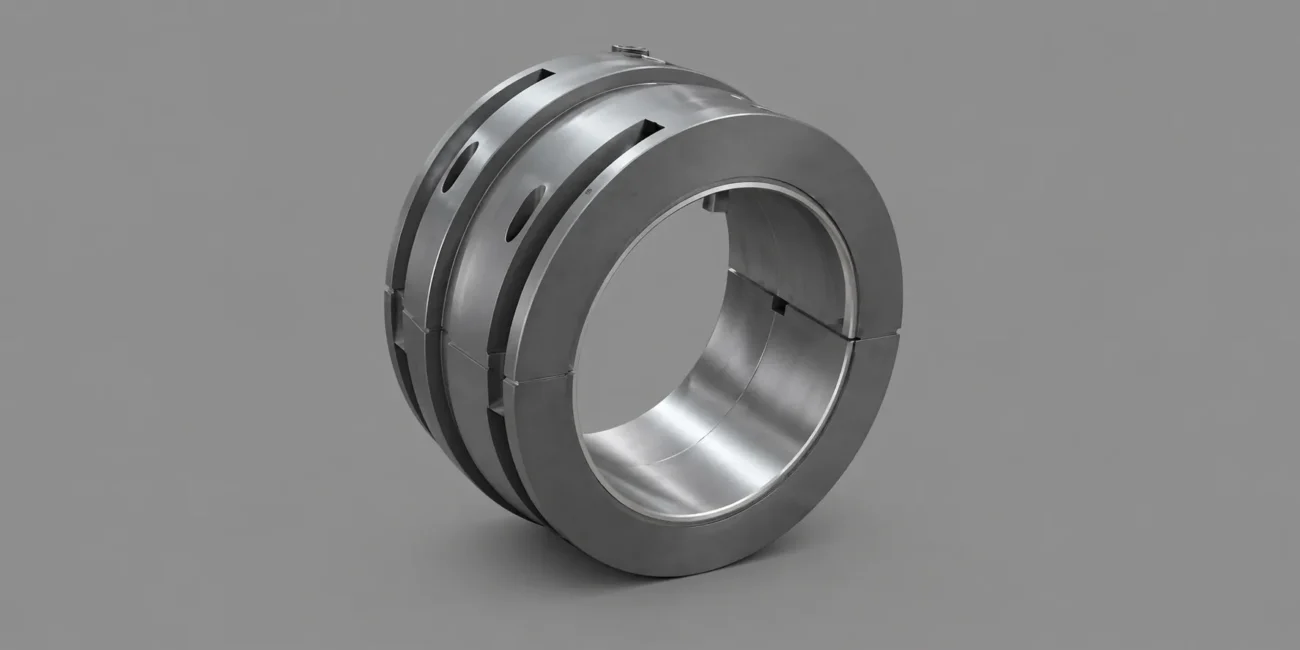
They usually have a cylindrical or semi-cylindrical Babbitt-lined bore. The core structure may include a bearing shell or backing, Babbitt lining, oil grooves, oil holes, and, in split designs, upper and lower bearing shells.
During operation, the shaft journal rotates inside the Babbitt-lined bore, while a hydrodynamic oil film forms between the shaft journal and the Babbitt surface. Because of their large contact area, Babbitt journal bearings are suitable for large shaft diameters, heavy radial loads, and applications that require good vibration damping.
They are commonly used in steam turbines, generators, boiler feed pumps, compressors, process pumps, large motors, and other heavy rotating equipment.
Babbitt Thrust Bearings
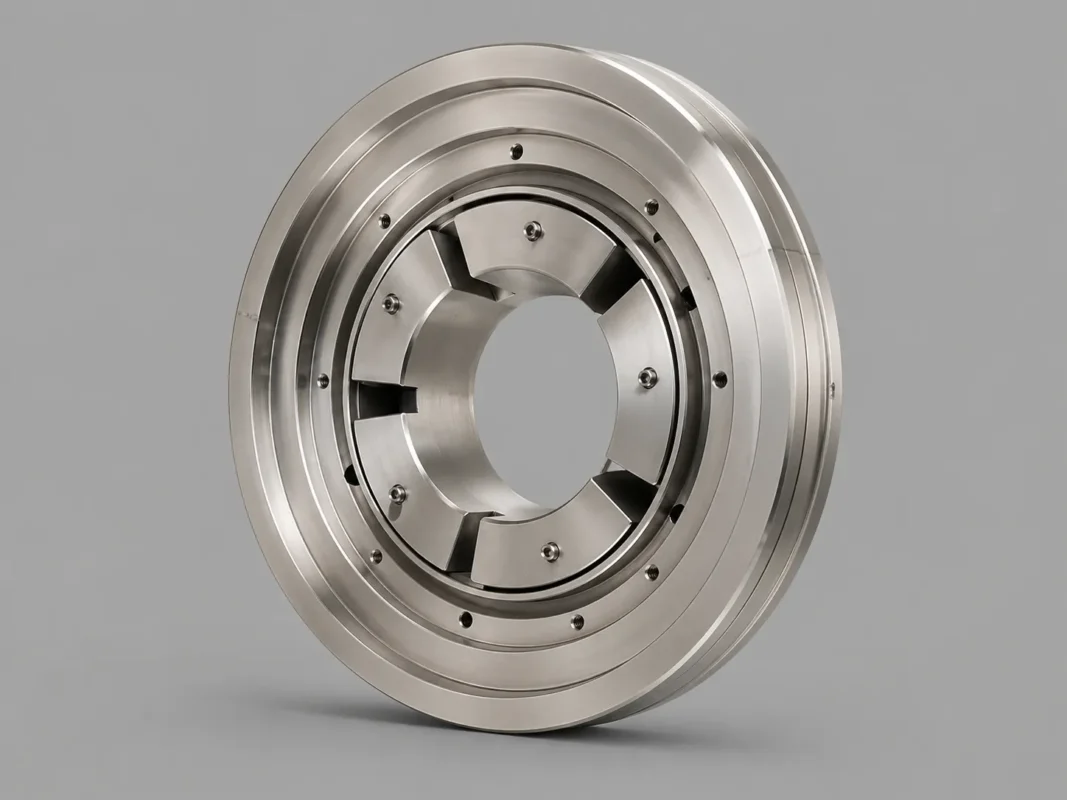
Different from Babbitt journal bearings, Babbitt thrust bearings are designed to support axial loads.
They usually work with a thrust collar or runner and use Babbitt-lined thrust faces or thrust pads to carry axial force. Depending on the design, they may use fixed thrust faces, tilting pads, an equalizing system, oil supply grooves, a housing, or a carrier ring.
They are commonly used in steam turbines, gas turbines, hydro generators, propulsion shafts, thrust blocks, and reduction gear systems.
By Structure and Design Features
Based on structure and design features, common Babbitt bearing designs include tilting pad Babbitt bearings, fixed profile Babbitt bearings, sleeve Babbitt bearings, and split Babbitt bearings.
Note: These types are not always mutually exclusive. For example, a Babbitt sleeve bearing can also be a split bearing, and a tilting pad design can be used for journal or thrust bearing applications.
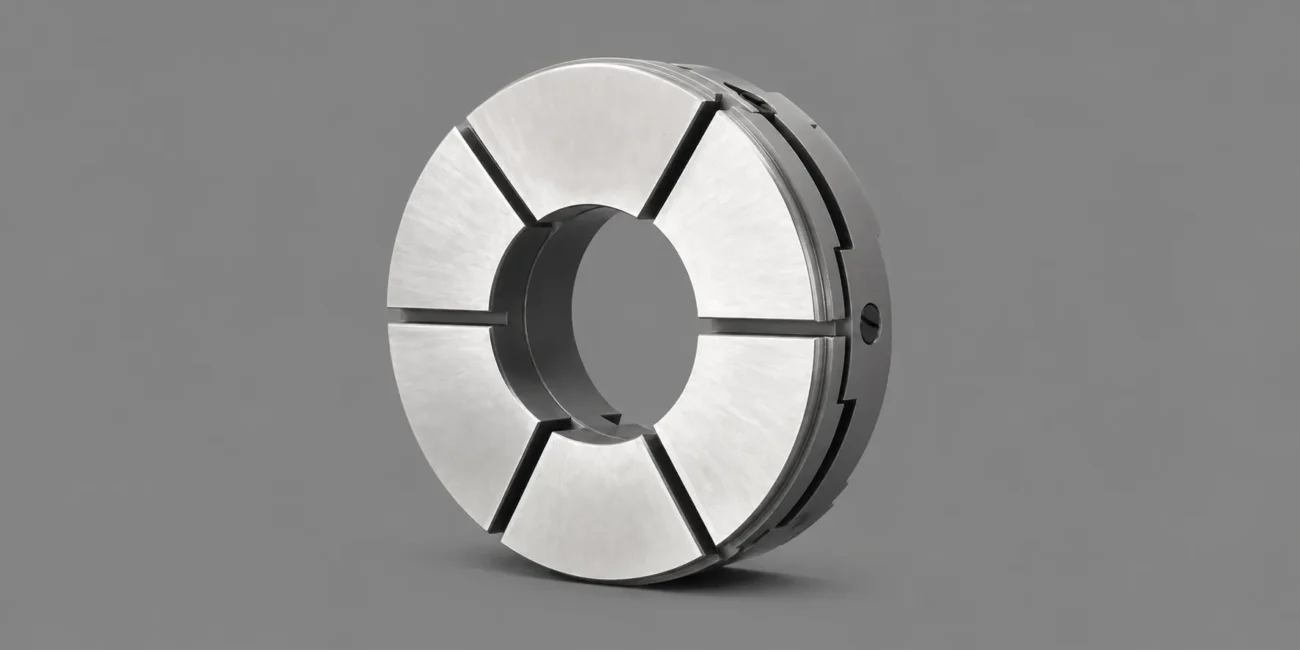
Tilting Pad Babbitt Bearings
Tilting pad Babbitt bearings use several individual pads arranged around the shaft journal or thrust collar.
Each pad usually has a steel or alloy backing with a Babbitt lining on the working surface. The pads can tilt slightly during operation, allowing the oil film to form more effectively under changing load, speed, and shaft-position conditions.
Compared with fixed profile designs, tilting pad Babbitt bearings provide better rotor stability, lower risk of oil whirl and oil whip, and improved load distribution. They are especially suitable for high-speed and critical rotating machinery.
They are commonly used in steam turbines, gas turbines, compressors, turbo generators, high-speed pumps, critical blowers, and other rotating equipment where rotor stability and precise shaft control are required.
Fixed Profile Babbitt Bearings
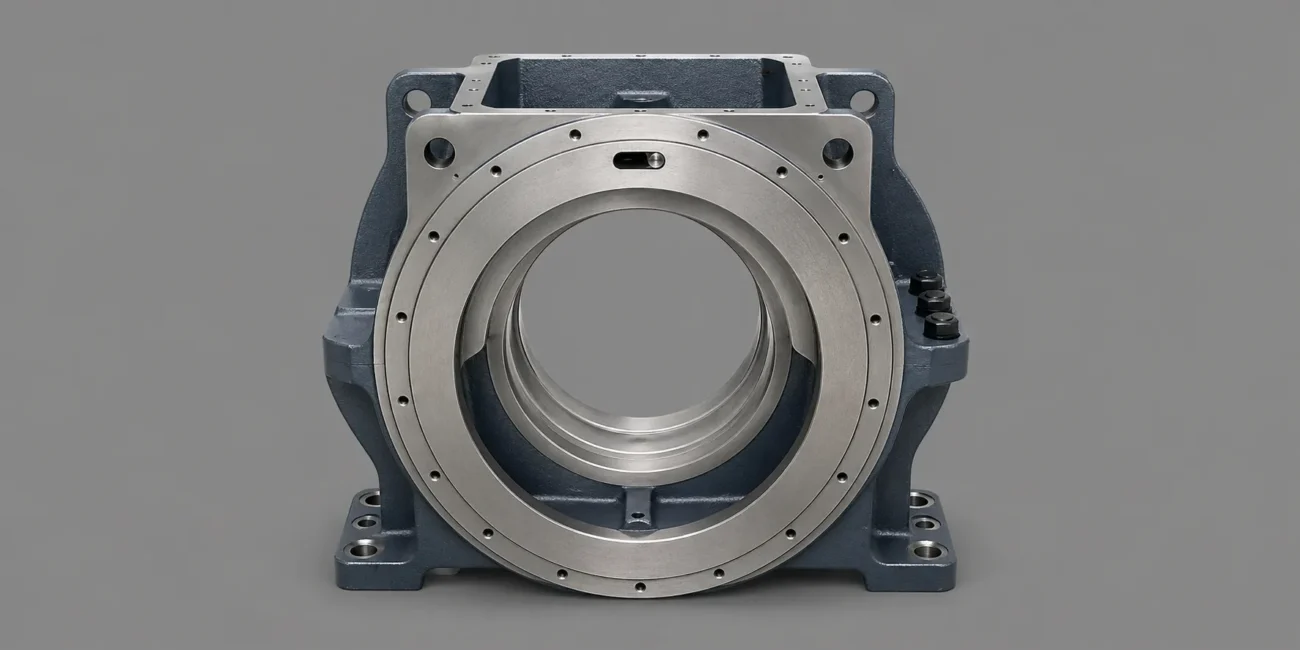
Fixed profile Babbitt bearings use a stationary bearing surface with a fixed bore or fixed thrust-face geometry.
The Babbitt lining is bonded to a rigid steel, bronze, or alloy backing, but the bearing surface itself does not tilt or move during operation.
Compared with tilting pad designs, fixed profile Babbitt bearings are simpler in structure and easier to manufacture. They can provide good load support and stable operation when speed, load, clearance, alignment, and lubrication conditions are suitable. However, they are less adaptable to changing shaft movement or unstable rotor dynamics.
They provide radial or axial support through a fixed oil-film geometry and are commonly used in motors, pumps, fans, gearboxes, mills, older turbines, and general industrial rotating equipment with relatively stable operating conditions.
Sleeve Babbitt Bearings
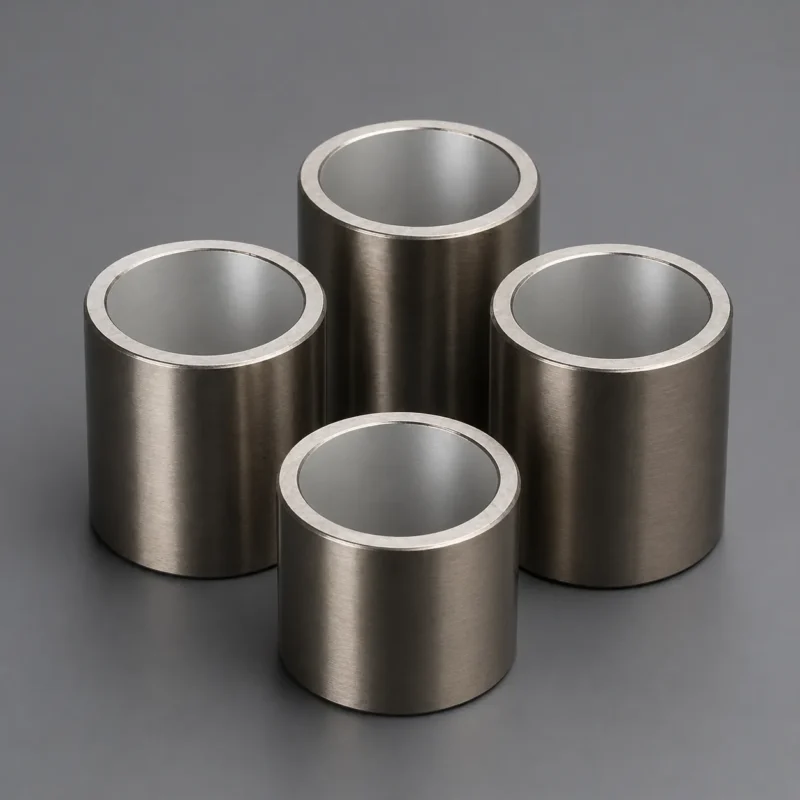
Sleeve Babbitt bearings have a cylindrical bore lined with Babbitt alloy.
The shaft journal rotates inside the Babbitt-lined sleeve, while lubricating oil forms a thin film between the shaft journal and the bearing surface. Depending on the equipment design, sleeve Babbitt bearings may be one-piece or split.
They provide continuous cylindrical shaft support and are mainly used for radial shaft support.
They are commonly used in large electric motors, industrial pumps, fans, blowers, compressors, marine shafts, generators, and mill drives where the shaft needs stable radial support.
Split Babbitt Bearings
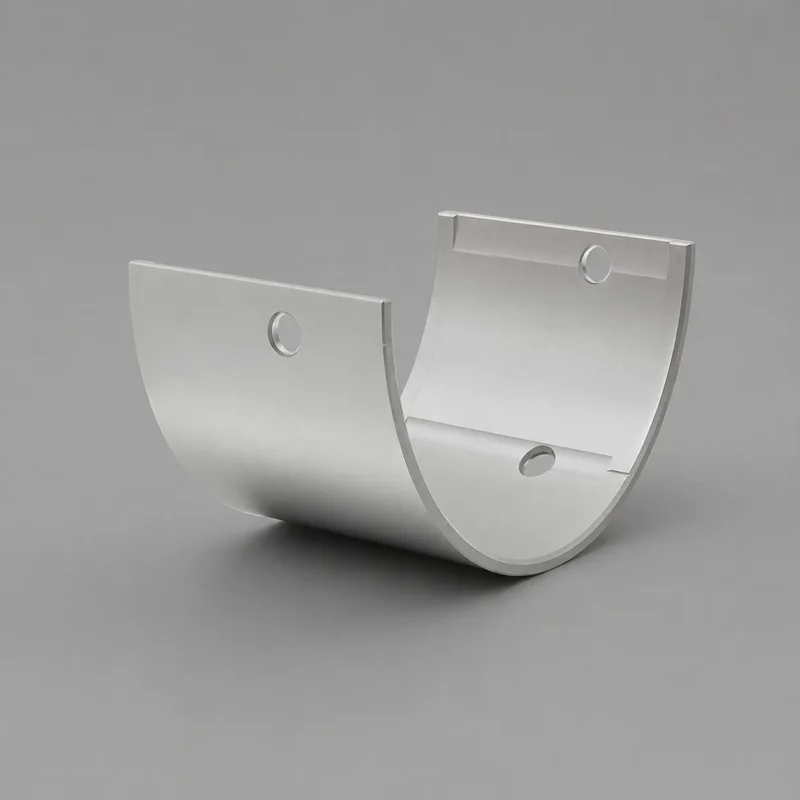
Split Babbitt bearings are divided into upper and lower halves.
Each half usually has a steel, bronze, or alloy backing with a Babbitt-lined inner surface. The split design allows the bearing to be installed around the shaft without removing the entire shaft from the machine.
Their main advantage is maintenance convenience.
They are commonly used in large motors, turbines, generators, compressors, fans, marine propulsion systems, paper machines, cement mills, ball mills, and heavy industrial gearboxes where field maintenance and bearing access are important.
By Repair Condition
Rebabbitted Bearings
Rebabbitted bearings are reconditioned Babbitt-lined bearings, not a separate structural bearing type.
In this process, the worn or damaged Babbitt layer is removed and replaced with a new Babbitt alloy lining. The original bearing shell, backing, or housing-related component may be reused if it remains dimensionally accurate and structurally sound.
This repair method is commonly used for large, expensive, or custom Babbitt bearings where replacing the complete bearing is not practical or economical.
Part 6. Where to Buy Babbitt Bearings?
After understanding what a Babbitt bearing is, how it works, how it differs from other bearings, and what types are available, many buyers may ask the next question:
Where can I buy Babbitt bearings?
If you need Babbitt bearings for motors, pumps, turbines, compressors, generators, marine shafts, gearboxes, or other industrial equipment, you can contact BKZ Industry, a bearing manufacturer from China.
With 15 years of bearing manufacturing experience, BKZ Industry can provide Babbitt bearing solutions based on your drawing, dimensions, shaft size, bearing structure, load direction, lubrication method, and application conditions.
Part 7. FAQS About Babbit Bearings
A Babbitt bearing is poured by removing the old Babbitt lining, cleaning and preparing the bearing shell, preheating the shell, melting the correct Babbitt alloy, and casting the molten metal onto the bearing backing.
After cooling, the new Babbitt layer is machined or finished to the required bore size, oil clearance, oil grooves, and contact surface.
Yes. Although Babbitt bearings are not as common as standard rolling bearings, they are still used in many heavy-duty rotating machines.
You can still find them in large motors, steam turbines, generators, compressors, pumps, marine propulsion shafts, gearboxes, mills, and other equipment where large shaft support, oil-film lubrication, vibration damping, and repairable bearing surfaces are important.
Chevrolet generally stopped using poured Babbitt rod bearings in the early 1950s.
For many Chevrolet inline-six engines, the common cutoff is 1953–1954. The Chevrolet 216 engine used Babbitt rod bearings and splash lubrication, while some 1953 Powerglide-equipped 235 engines used insert bearings. By 1954, Chevrolet had moved broadly to insert-type rod bearings.
Ending Note
After reading this article, you should now have a clearer understanding of what a Babbitt bearing is.
In simple terms, a Babbitt bearing is usually a plain or sliding bearing with a Babbitt alloy lining on the inner working surface. This soft lining faces the shaft journal and helps protect the shaft and bearing backing, especially when lubrication conditions are not ideal.
Babbitt bearings can also be divided into different types based on load direction, structure, design features, and repair condition.
If you want to buy Babbitt bearings, you can contact BKZ Industry, a bearing manufacturer from China with 15 years of bearing manufacturing experience. Send us your drawing, dimensions, shaft size, application details, or working conditions, and our team will provide a suitable solution and quotation.