In the article “What Is a Sleeve Bearing”, I already explained what sleeve bearings are. I also compared sleeve bearings with journal bearings and bushings. However, that article did not explain the key differences between sleeve bearings and ball bearings.
So in this article, I would like to explain the key differences between sleeve bearings and ball bearings. This can help you understand both bearing types better and choose the correct one for your application.
When you know which bearing you need and want to buy sleeve bearings or ball bearings for your application, you can contact BKZ Industry, a bearing manufacturer with 2 factories and 15 years of bearing manufacturing experience.
Part 1. What Are Differences Between Sleeve Bearing and Ball Bearing?
I understand that you may want to know the differences between sleeve bearings and ball bearings quickly, so that you can choose the correct bearing for your application. Here is a simple comparison table for you to understand instantly.
| Bearing | Sleeve Bearing | Ball Bearing |
| Category | Plain bearing | Rolling bearing |
| Shape | Usually a cylindrical sleeve or bushing | Inner ring, outer ring, balls, and cage |
| Motion method | Sliding motion | Rolling motion |
| Contact surface | Sliding surface contact with a larger contact area | Point contact between the balls and raceways |
| Friction | Usually higher friction. | Usually lower rolling friction |
| Load capacity | Suitable for heavy static loads | Suitable for radial loads and some axial loads |
| Speed | More suitable for low to medium speed | More suitable for medium to high speed |
| Lubrication | Can be self-lubricating, dry-running, or lubricated with oil or grease | Usually lubricated with grease or oil. Sealed or shielded ball bearings can be pre-greased. |
| Shock load | Better resistance to shock loads because of the larger contact area | Can handle normal loads, but not ideal for heavy shock loads |
| Noise | Usually quiet because there are no rolling elements | More noise, and noise may increase with speed, wear, or poor lubrication |
| Installation | Simple structure and usually easy to install | Requires proper fit, alignment, and mounting accuracy |
| Cost | Usually lower cost | Usually higher cost |
| Applications | Motors, pumps, fans, hinges, agricultural machines, construction equipment, and low-speed or heavy-load applications | Motors, gearboxes, conveyors, wheels, electric tools, machinery, and medium- to high-speed rotating applications |
From the table, you can see that the key differences between sleeve bearings and ball bearings are their structure, motion method, contact surface, lubrication, speed, load capacity, and maintenance requirements. Sleeve bearings use sliding motion, while ball bearings use rolling motion. Because of these differences, they are suitable for different working conditions and applications.
Alt: sleeve bearing and ball bearing comparison picture
If you still cannot clearly understand the differences between sleeve bearings and ball bearings, please continue reading. I will explain them in detail from the definition, structure, working principle, advantages, and disadvantages.
Part 2. Sleeve Bearing vs Ball Bearing: What Are They?
So what are sleeve bearings and ball bearings? Although I already explained sleeve bearings in another article, I will briefly explain them again here.
What Is a Sleeve Bearing?
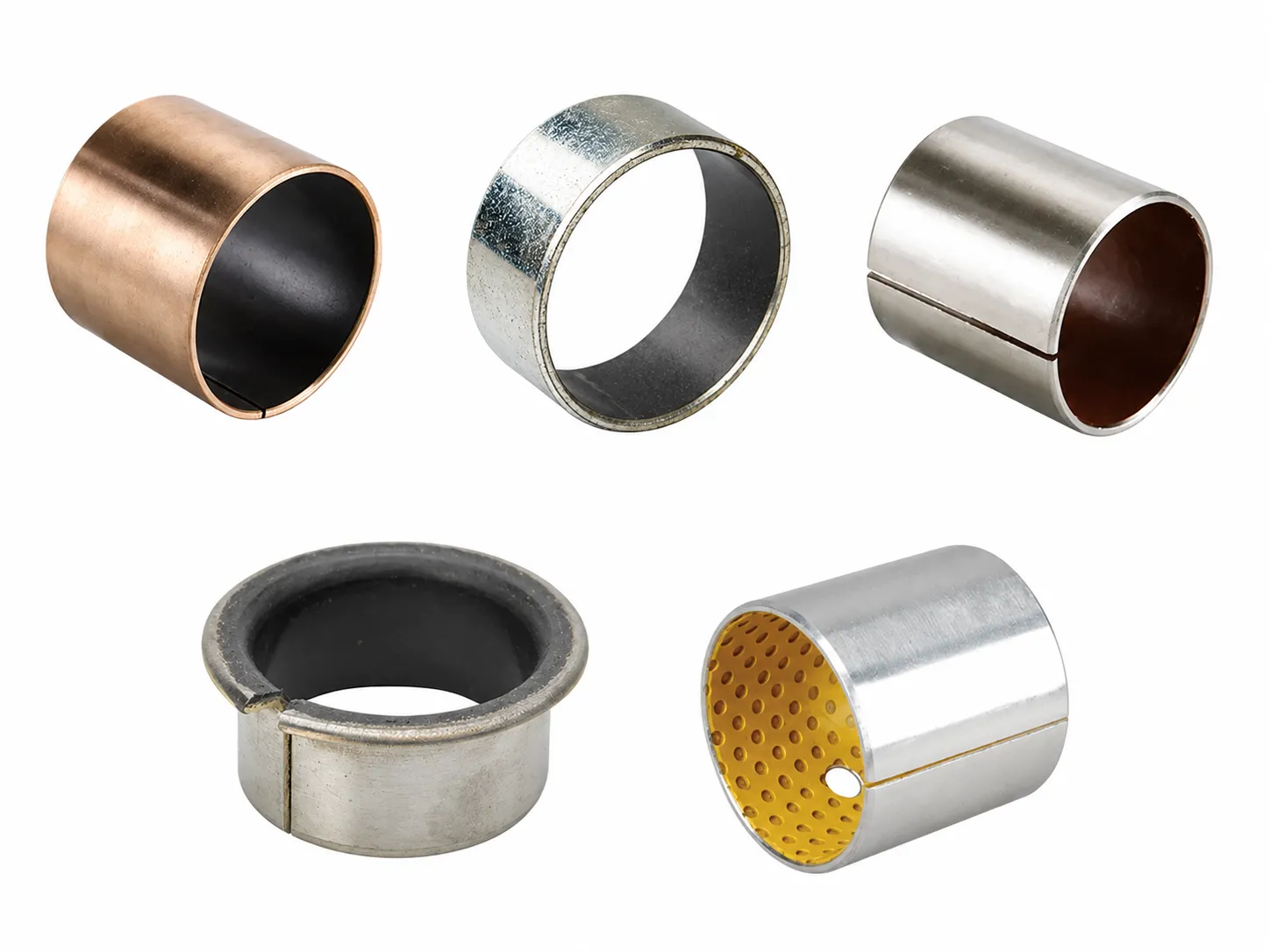
A sleeve bearing is a type of plain bearing with a cylindrical sleeve structure. It supports the shaft through sliding contact between the shaft and the bearing surface. Sleeve bearings can be made from bronze, plastic, metal-polymer composite materials, or other self-lubricating materials. Depending on the design, they can work with oil, grease, solid lubricants, or self-lubricating sliding layers.
Here is a picture to help you understand what a sleeve bearing looks like.
Also Read: Linear Sleeve Bearing: Definition, Advantages, Limitations, Applications, Types, and More
What Is a Ball Bearing?
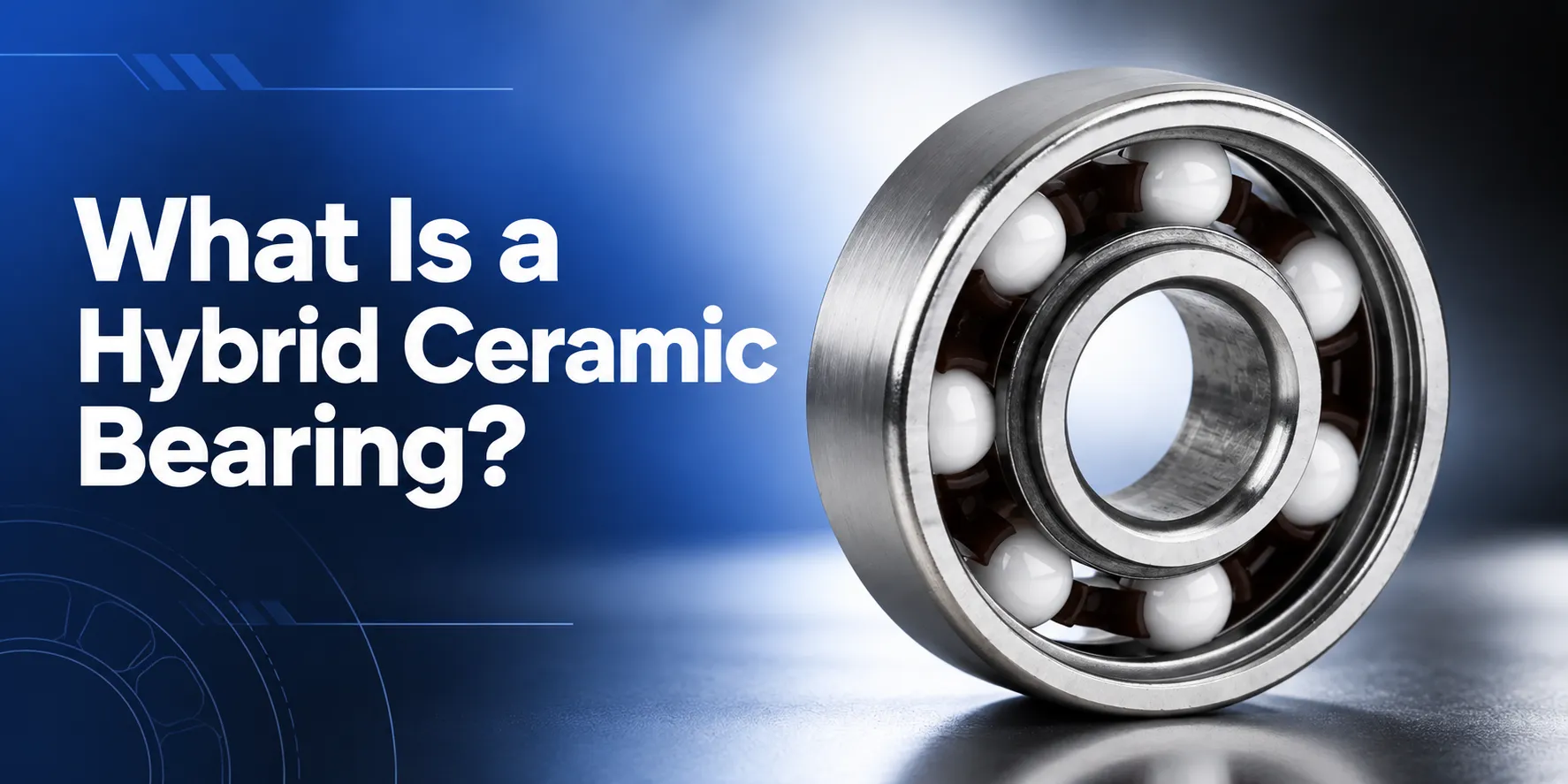
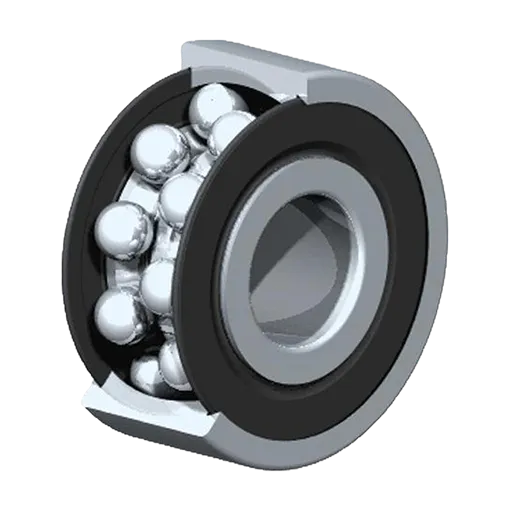
Different from a sleeve bearing, which is a plain bearing, a ball bearing is a type of rolling bearing. It has balls between the inner ring and outer ring. When the bearing works, the balls roll along the raceways to support the load and reduce friction between moving parts.
Here is a picture to help you understand what a ball bearing looks like.
Part 3. Sleeve Bearing vs Ball Bearing: Structure
Sleeve bearings and ball bearings have completely different structures.
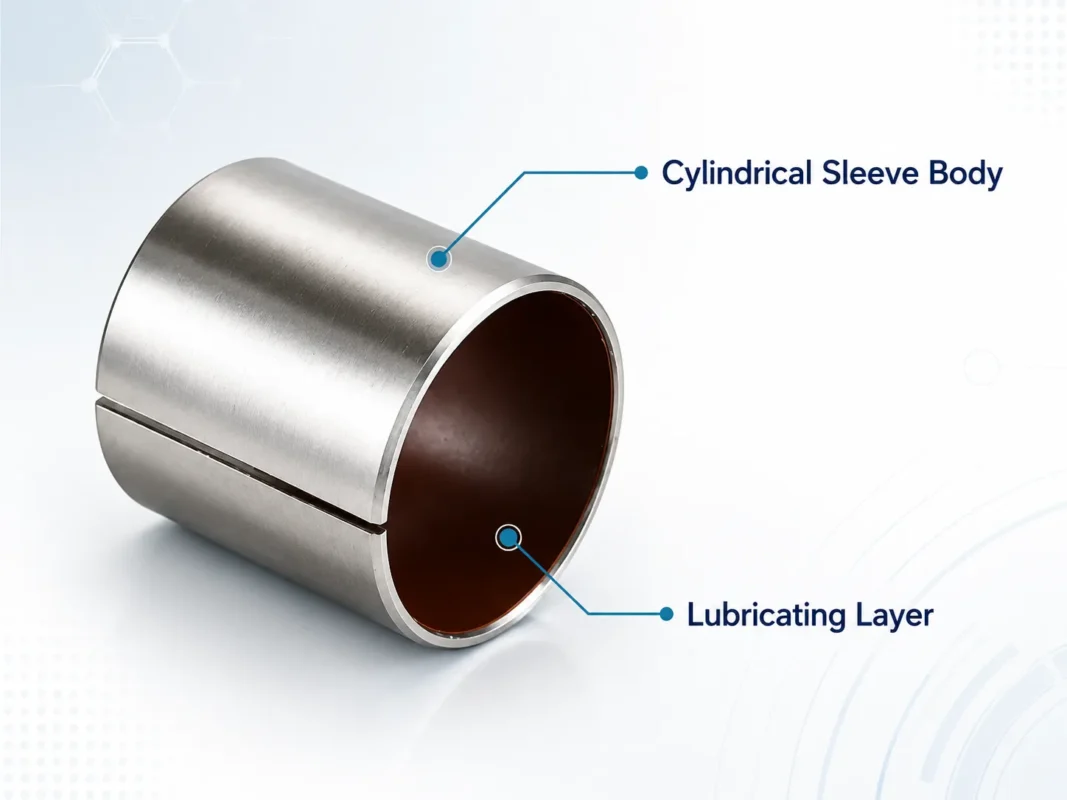
A sleeve bearing usually has a simple cylindrical sleeve structure. Depending on the material and design, it may include:
- Cylindrical sleeve body with an inner sliding surface
- Lubrication holes or grooves, optional
- Sliding layer or lubricating layer, depending on the bearing material
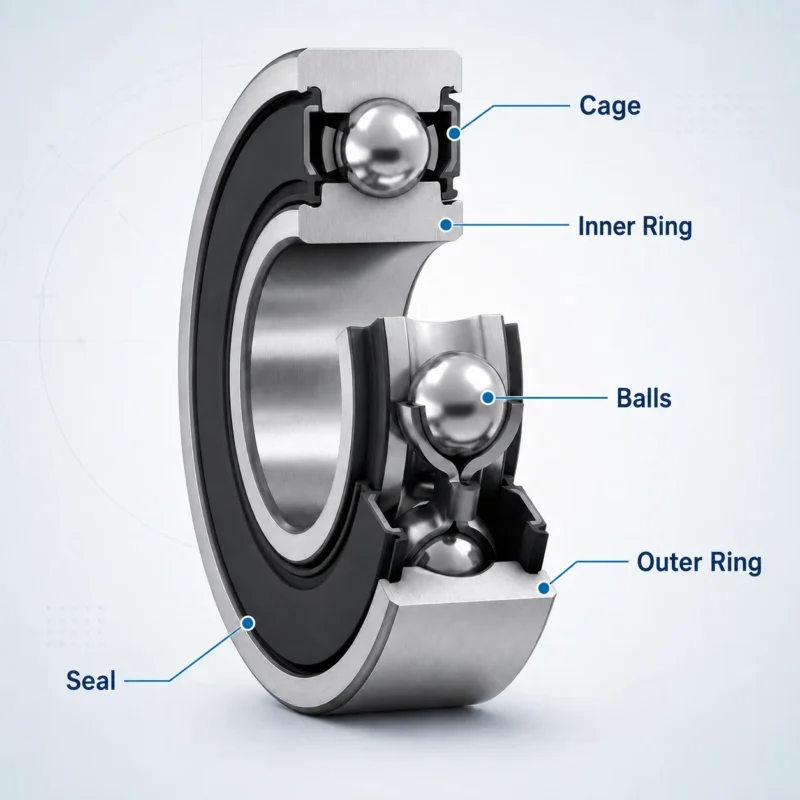
A ball bearing has a more complex rolling structure. It usually includes:
- Inner ring
- Outer ring
- Balls
- Cage
- Seal or shield, optional
- Grease or oil lubricant
Also Read: Axial vs Radial Load vs Combined Load: Differences and How to Choose?
Part 4. Sleeve Bearing vs Ball Bearing: Working Principle
With their meaning and structure in mind, let’s check how sleeve bearings and ball bearings work.
Sleeve bearing: In most applications, the sleeve bearing is fixed in the housing. When the shaft rotates, the bearing itself does not rotate with the shaft. Instead, the shaft slides against the inner surface of the sleeve bearing. The oil, grease, solid lubricant, or self-lubricating sliding surface between them reduces direct contact, friction, and wear.
Ball bearing: In most applications, the outer ring is fixed in the housing, and the inner ring is fitted on the shaft. When the shaft rotates, it drives the inner ring to rotate. The balls then roll between the raceways of the inner ring and outer ring, so the bearing can support the load and reduce friction during rotation.
Part 5. Sleeve Bearing vs Ball Bearing: Advantages and Disadvantages
Now, you have a clear understanding of sleeve bearings and ball bearings. So what are their advantages and disadvantages in real applications?
Sleeve Bearing Advantages:
- Larger contact area, suitable for heavy loads and shock loads
- Simple structure and usually lower cost
- Usually quieter because there are no rolling elements
- Can be self-lubricating, depending on the material and design
Sleeve Bearing Disadvantages:
- Usually higher friction than ball bearings
- Not ideal for high-speed rotation
- Some types need regular lubrication
- Wear may be faster if lubrication is poor
Ball Bearing Advantages:
- Lower friction because of rolling motion
- Suitable for medium- to high-speed rotation
- Good running accuracy and smooth rotation
- Available in many standard sizes and designs
Ball Bearing Disadvantages:
- Usually higher cost than sleeve bearings
- More sensitive to dust, dirt, and poor lubrication
- Not ideal for heavy shock loads
- Requires proper mounting and alignment
Also Read: Shielded Vs Sealed Bearing: How to Choose?
Part 6. How to Choose from Sleeve Bearing and Ball Bearing?
So how do you choose between a sleeve bearing and a ball bearing for your application?
If you are not sure which bearing to choose, you can contact BKZ Industry with your application details. As a bearing manufacturer, BKZ Industry can help you select a suitable bearing based on your working conditions, bearing size, load, speed, and application requirements.
If you want to make a basic decision first, you can follow the steps below.
Step 1. Check Your Working Conditions
The most important factor is your working condition. You need to check the speed, load, shock load, lubrication, noise requirement, and working environment of your application.
| What to Check | Information You Need to Provide |
| Speed | Actual speed, such as 500 rpm, 1500 rpm, 3000 rpm, or 10000 rpm |
| Load | Radial load and axial load, such as 500 N, 1000 N, or 5000 N |
| Shock load | Stable load or impact load |
| Lubrication | Dry running, self-lubricating, grease, or oil |
| Working temperature | Actual temperature, such as 60°C, 100°C, or 150°C |
| Environment | Clean, dusty, wet, dirty, or corrosive |
| Noise requirement | Normal noise or low-noise operation |
Step 2. Compare Your Working Conditions with Bearing Features
After checking your working conditions, you need to compare them with the features of sleeve bearings and ball bearings. This step helps you decide which bearing type is more suitable for your application.
You should compare your actual speed, load, lubrication method, working temperature, noise requirement, and working environment with the bearing features before making the selection.
You can get the bearing information by checking bearing size charts, such as a ball bearing size chart or sleeve bearing size chart, or contact BKZ Industry to get the bearing catalog and technical information for comparison.
Step 3. Check the Bearing Sizes
After selecting the bearing type, you need to choose the specific bearing model based on the required size and technical parameters.
For sleeve bearings, you need to check the shaft diameter, outer diameter, length, wall thickness, material, and lubrication type.
For ball bearings, you need to check the bore diameter, outer diameter, width, bearing number, seal or shield type, clearance, and load rating.
By checking these details, you can find the specific sleeve bearing or ball bearing model suitable for your application.
Step 4. Contact Bearing Manufacturer
After confirming the working conditions, bearing type, and bearing size, you can contact a bearing manufacturer like BKZ Industry to buy the bearing you need.
Part 7 FAQS About Sleeve Bearing and Ball Bearing
Not always. Sleeve bearing fans are usually lower in cost and can be quiet at low speed. However, ball bearing fans are usually better for higher speed, longer service life, higher temperature, and different mounting directions.
It is hard to say which one is better. Sleeve bearings and ball bearings are suitable for different applications.
Sleeve bearings are usually better for low-speed, heavy-load, shock-load, and cost-sensitive applications. Ball bearings are usually better for medium- to high-speed rotation, lower friction, smoother running, and better running accuracy.
Final Words
After reading this article, you should have a clear understanding of the main differences between sleeve bearings and ball bearings. Sleeve bearings use sliding motion, while ball bearings use rolling motion. Because of their different structures and working principles, they are suitable for different loads, speeds, lubrication methods, and working conditions.
If you are not sure whether to choose a sleeve bearing or a ball bearing, you can contact BKZ Industry with your application details, such as bearing size, speed, load, lubrication method, and working environment. BKZ Industry can help you choose the suitable bearing for your application.