Wheel bearing problems are common in car repair. But what is a wheel bearing? What is the difference between a wheel hub and a wheel bearing? What are the types of wheel bearings? What are the signs of a bad wheel bearing? And how do you replace a bad wheel bearing? Here, I will cover everything you want to know.
After understanding wheel bearings, if you need to buy wheel bearings, you can choose BKZ Industry as your bearing manufacturer. With 2 factories and 15 years of bearing manufacturing experience, BKZ Industry can produce the wheel bearings you need. You only need to send the bearing number, quantity, drawing, or other information, and BKZ Industry will send you the solution and quotation.
Part 1. What is Wheel Bearing?
A wheel bearing is a bearing used in the wheel hub assembly of a vehicle. It helps the wheel rotate smoothly while supporting the vehicle’s weight and the forces generated during driving.
A wheel bearing usually consists of an inner ring, outer ring, balls or rollers, cage, seals, and lubricant. The inner ring is usually fitted to the axle shaft, and the outer ring is usually fixed in the hub or housing. In general, wheel bearings are made of bearing steel or other high-strength steel materials.
Functions of a Wheel Bearing:
- Reduce friction when the wheel rotates, so the wheel can run smoothly with less heat, vibration, and shock.
- Carry the vehicle’s weight and support the forces generated during driving, such as turning, braking, acceleration, and road impact.
- Help reduce wear and extend the service life of the wheel hub assembly.
Part 2. What is the Difference Between a Hub and a Wheel Bearing?
When searching for wheel bearings, you may often find the wheel hub mentioned together with it. Many of you may feel confused about which one is the hub, which one is the wheel bearing, and what their differences are. To help you understand, we use a table to make everything clear.
| Category | Wheel Bearing | Hub |
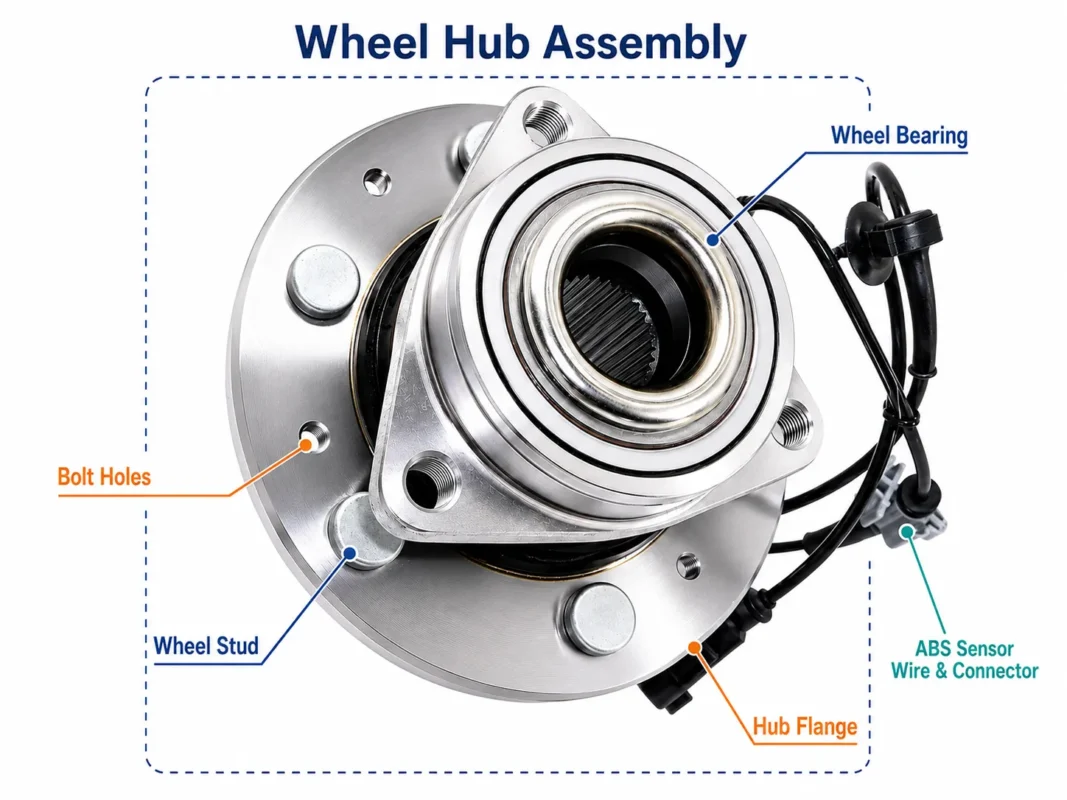
| Structure | Inner ring, outer ring, balls or rollers, cage, seals, and lubricant. | The wheel hub usually includes a flange, wheel studs or bolt holes, and a mounting surface. In some hub assemblies, it may also include the wheel bearing and ABS sensor. |
| Position | Usually installed in the wheel hub, steering knuckle, or integrated into the hub assembly. | Located between the wheel and the axle, and connected with the brake drum or brake disc. |
| Purpose | Support the vehicle’s weight, reduce friction, and help the wheel rotate smoothly. | Attach the wheel to the vehicle and transfer rotation from the axle to the wheel. |
From the table, you can find that the wheel bearing and the wheel hub are different parts. But both of them are parts of the wheel assembly. In some designs, the wheel bearing is installed in the hub, knuckle, or housing. In modern hub bearing assemblies, the wheel bearing and hub may be integrated together as one unit. Here is the picture to show that the wheel hub with wheel bearing installed in it.
Also Read: What is a Pinion Bearing? Functions, Types, Signs of Failure, Etc
Part 3. 3 Major Types of Wheel Bearings
There are different types of wheel bearings used in different cars and vehicles. Here are the most popular ones.
Double-Row Angular Contact Ball Bearing
This type of bearing is commonly used in passenger cars and modern wheel hub units. With its double-row ball structure and angular contact raceway design, it can support both radial loads and axial loads from two directions. This is important because the wheel bearing needs to carry the vehicle’s weight and also handle the side forces generated during turning, braking, and driving.
Tapered Roller Bearings
Compared with double row angular contact ball bearings, tapered roller bearings can carry higher loads. That is why they are often used in heavier applications, such as trucks, trailers, and commercial vehicles. With line contact between the rollers and raceways, tapered roller bearings can support larger radial loads and axial loads than ball bearings.
Deep Groove Ball Bearings
Deep groove ball bearings are used in some light-duty wheel applications because the balls can rotate with low friction. With their structure, they can support radial loads and limited axial loads from both directions.
Also Read: Ball Bearing Wheels: Everything You Need to Know
Part 4. What Are the Symptoms of Bad Wheel Bearings?
Now, after understanding wheel bearings, you may want to know how to tell if a wheel bearing is bad and what symptoms a bad wheel bearing may have. Here are the important signs of bad wheel bearings that you should not ignore.
1. Growling, Roaring, Humming, or Rumbling Noise from the Wheel Area.
The noise may sound like excessive wind noise or tire noise. It usually becomes louder when the vehicle speed increases, and it may also change when turning left or right.
2. Vibration from the Wheel or Steering Wheel
A bad wheel bearing can cause wheel wobble and transfer vibration to the steering wheel, especially at higher speeds.
3. Loose Steering or Poor Steering Response When Turning
When the wheel bearing has too much wear or play, the wheel may not stay stable, which can affect steering feel.
4. ABS, Traction Control, or Stability Control Warning Lights
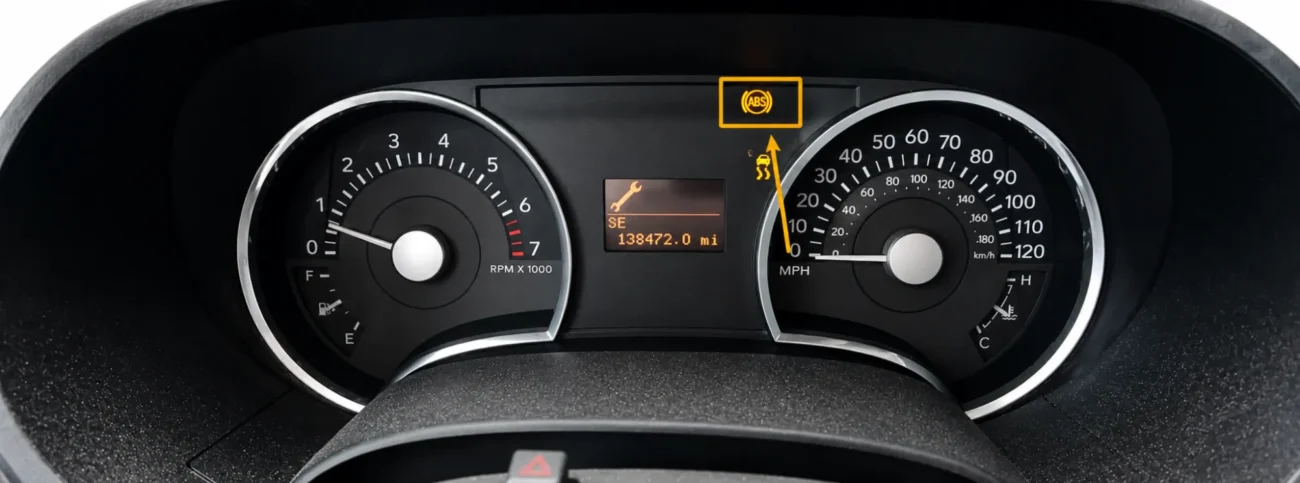
ABS, traction control, or stability control warning lights may appear if the wheel hub bearing assembly has an ABS sensor or magnetic encoder ring. A damaged bearing, sensor, or encoder ring can affect the wheel speed signal.
5. Excessive Heat
The wheel hub may feel noticeably hot to the touch or produce a hot smell after driving. This can happen when the bearing has serious friction, lack of lubrication, or internal damage.
6. Loose Wheel
The wheel may have noticeable play or feel loose when lifted and shaken. This can be a sign of a worn wheel bearing, loose hub assembly, or other suspension problems.
Part 5. How Do I Replace a Wheel Bearing?
After confirming that the wheel bearing is bad, you may need to replace it. For many modern vehicles, the wheel bearing is integrated with the wheel hub as a hub bearing assembly, so the whole hub bearing assembly needs to be removed and replaced. Here is the guide for you to replace the wheel bearing.
Step 1. Preparation and Safety
Here are the tools that you should prepare before replacing the wheel bearing.
- New wheel bearing hub assembly
- Jack and jack stands
- Axle nut socket
- Breaker bar
- Screwdriver
- Ratchet
- Big hammer
- New axle nut
- Slide hammer kit
- Sand paper
- Torque wrench
Now, make sure the car is parked on a flat surface. If you are replacing the front wheel bearing, use the jack and jack stands to lift and support the front of the vehicle, and block the rear tires. If you are replacing the rear wheel bearing, use the jack and jack stands to lift and support the rear of the vehicle, and block the front wheels.
This is important to make sure the car is stable and safe while you are working. Also, make sure the jack and jack stands lift the vehicle to a suitable working height.
Step 2. Remove the Center Cap If It Has One
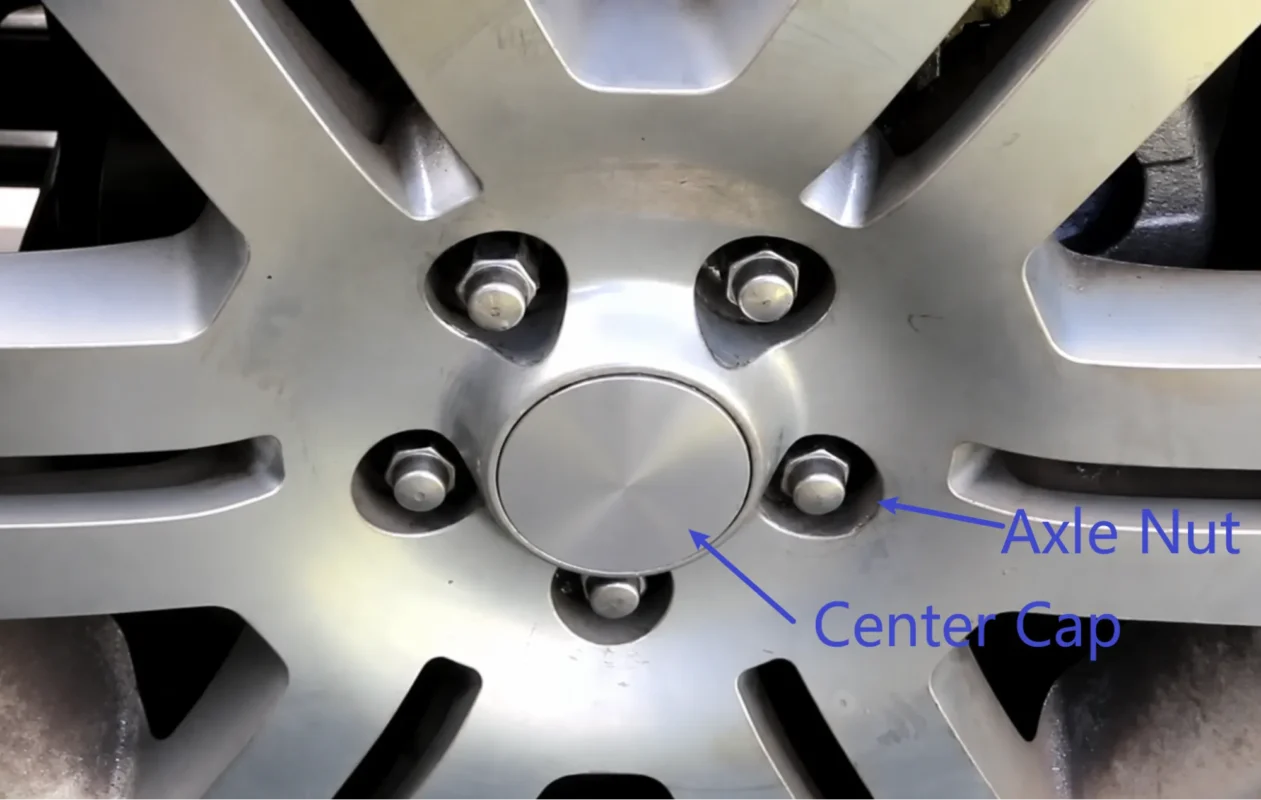
In some cases, you can remove the center cap easily without taking off the wheel. But in many cases, you have to remove the wheel first.
Use the correct tool to loosen and remove the lug nuts. After all the lug nuts are removed, you can take off the wheel. Now, you can use a tool to remove the center cap retaining ring, and then take off the center cap easily.
Step 3. Remove the Center Axle Nut
Now, you need to put the wheel back on and use the lug nuts to secure it. Then lower the vehicle until most of the vehicle weight is on the ground instead of on the jack.
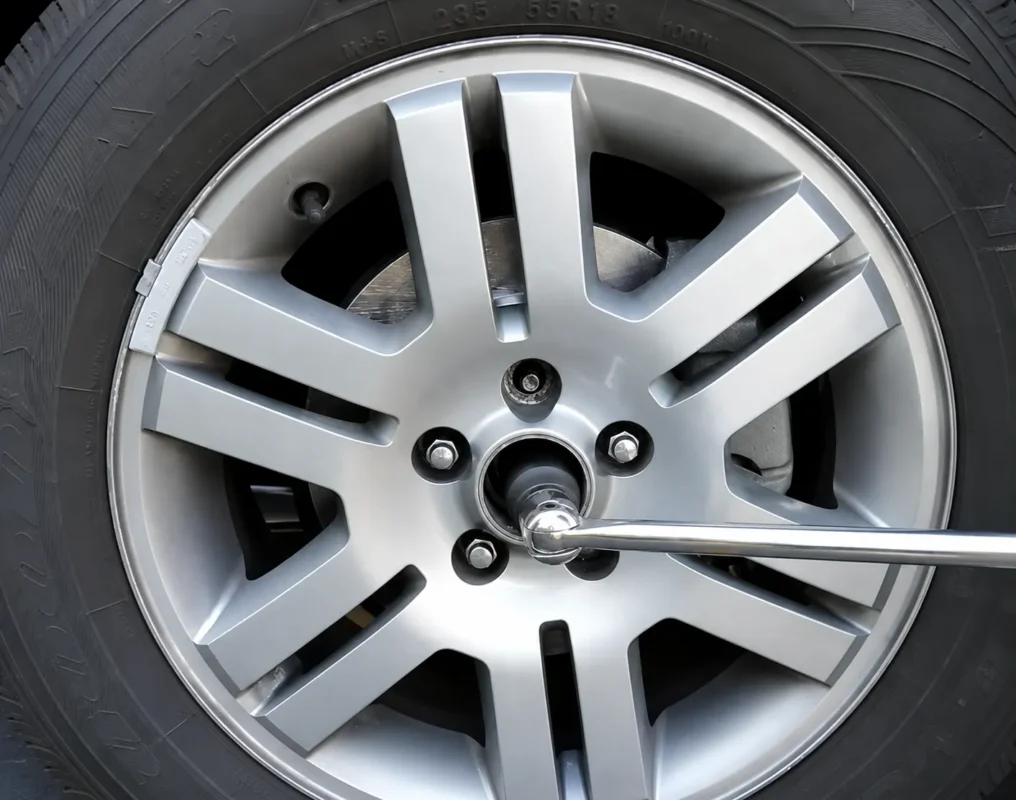
Use an axle nut socket to loosen the center axle nut. The reason for putting the wheel back on and lowering the vehicle is that the center axle nut is usually very tight. Using the vehicle’s weight can help keep the wheel stable, so the axle nut can be loosened more easily.
After the center axle nut is loosened, remove it completely. Then lift the vehicle again and take off the wheel.
Step 4. Take Off the Brake Caliper and Rotor
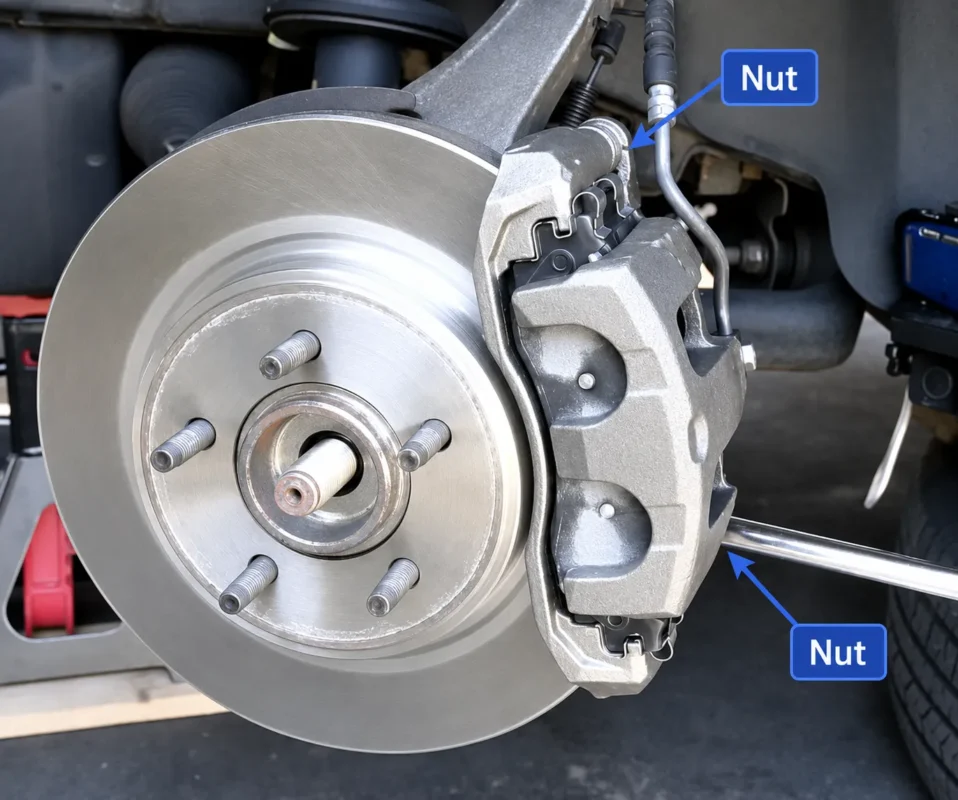
Go to the back of the brake caliper and find the two bolts for the caliper bracket. Use the breaker bar to loosen these two bolts, then use the ratchet to remove them.
Now, you can take off the brake caliper assembly and remove the rotor.
Step 5. Take Off the Bearing Hub
Now, screw the axle nut back onto the center axle. Then use a big hammer to hit the center axle with the nut installed. This helps free the axle from the hub bearing.
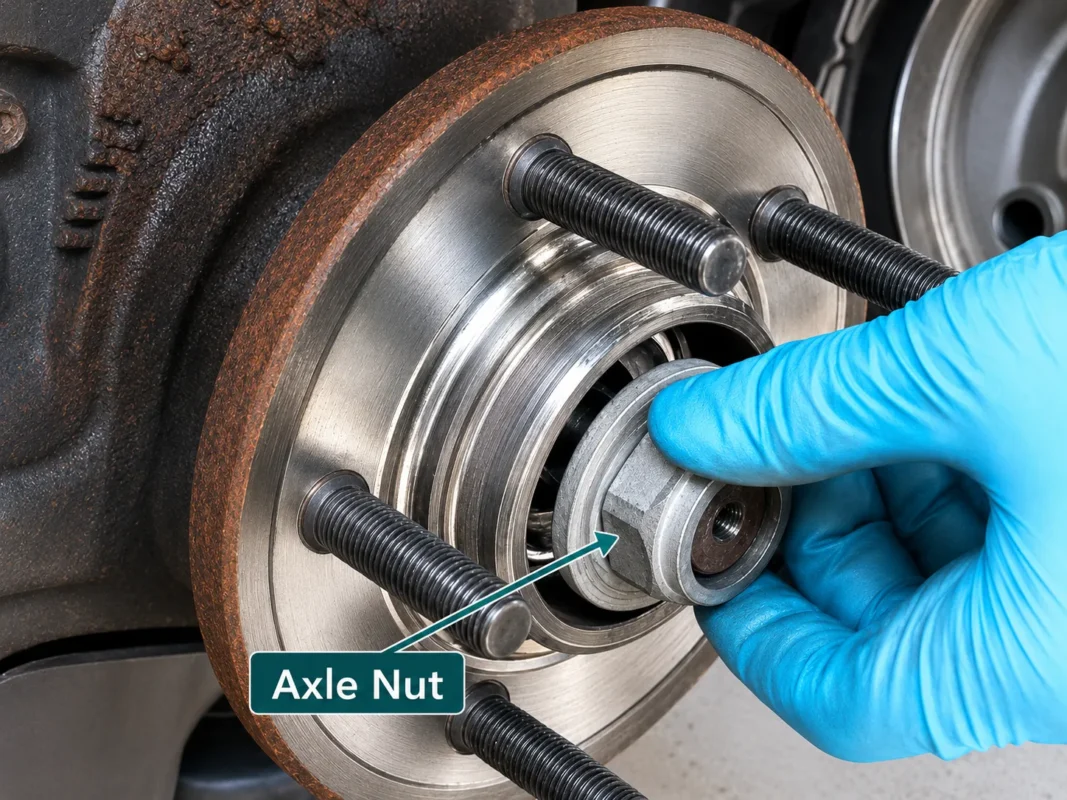
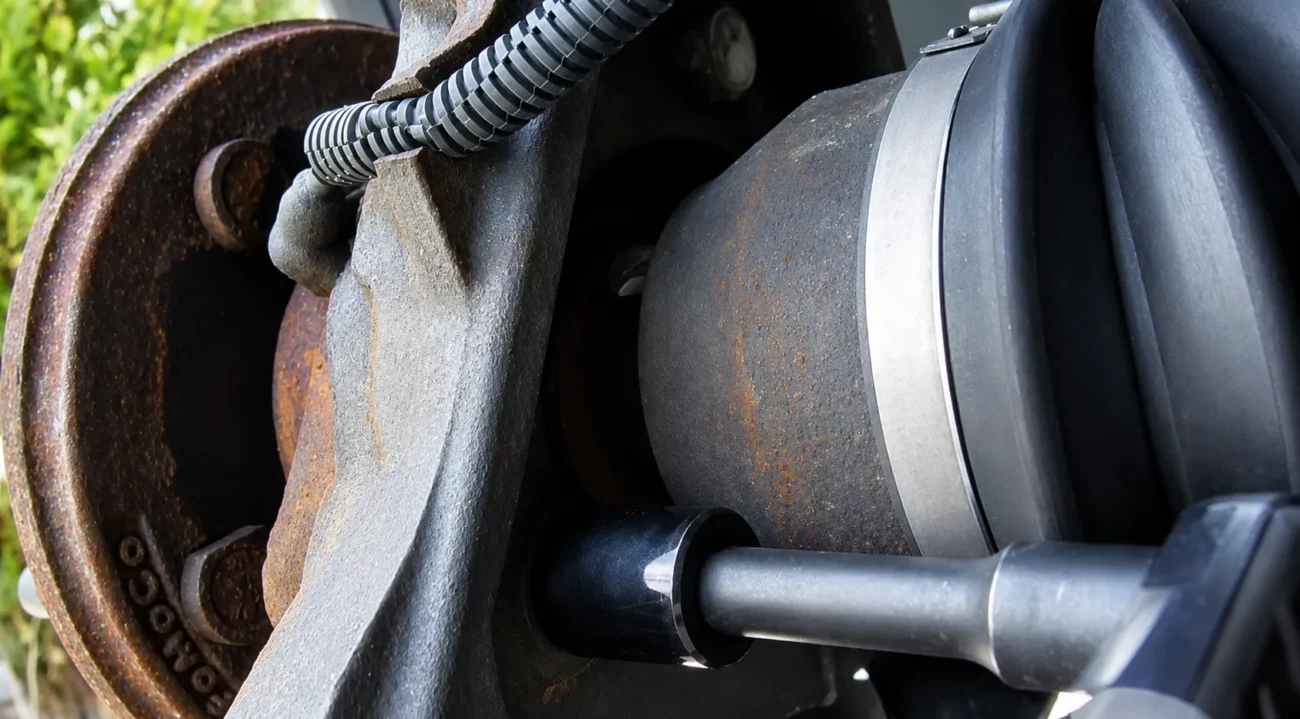
Now, turn the steering knuckle by hand to make sure you can see the bolts at the back of the wheel hub. Use the socket or ratchet to remove the bolts at the back of the wheel hub.
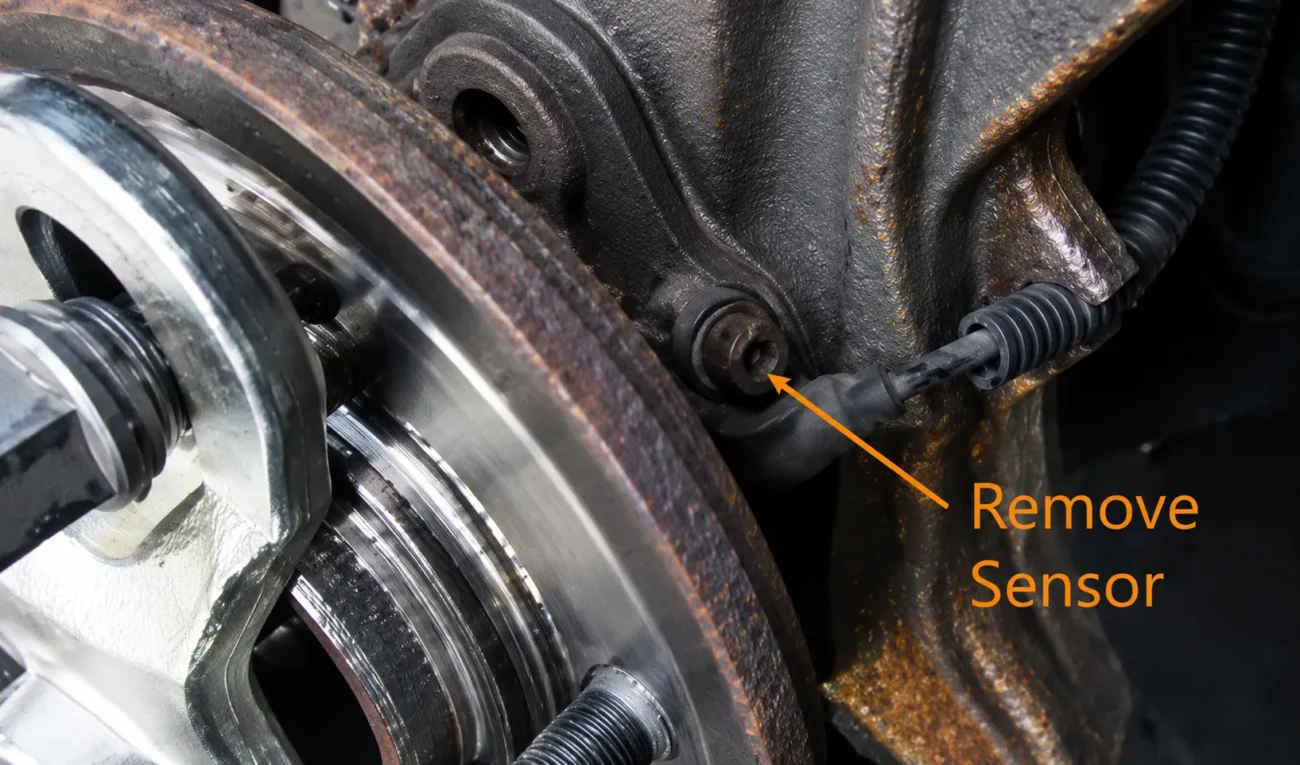
If it has an ABS sensor, do not forget to remove it. Remove the bolts and take it off carefully.
When all the bolts are removed, you can pull the wheel bearing hub off. If you cannot get it off by hand, you may need to use a puller or slide hammer kit to remove it.
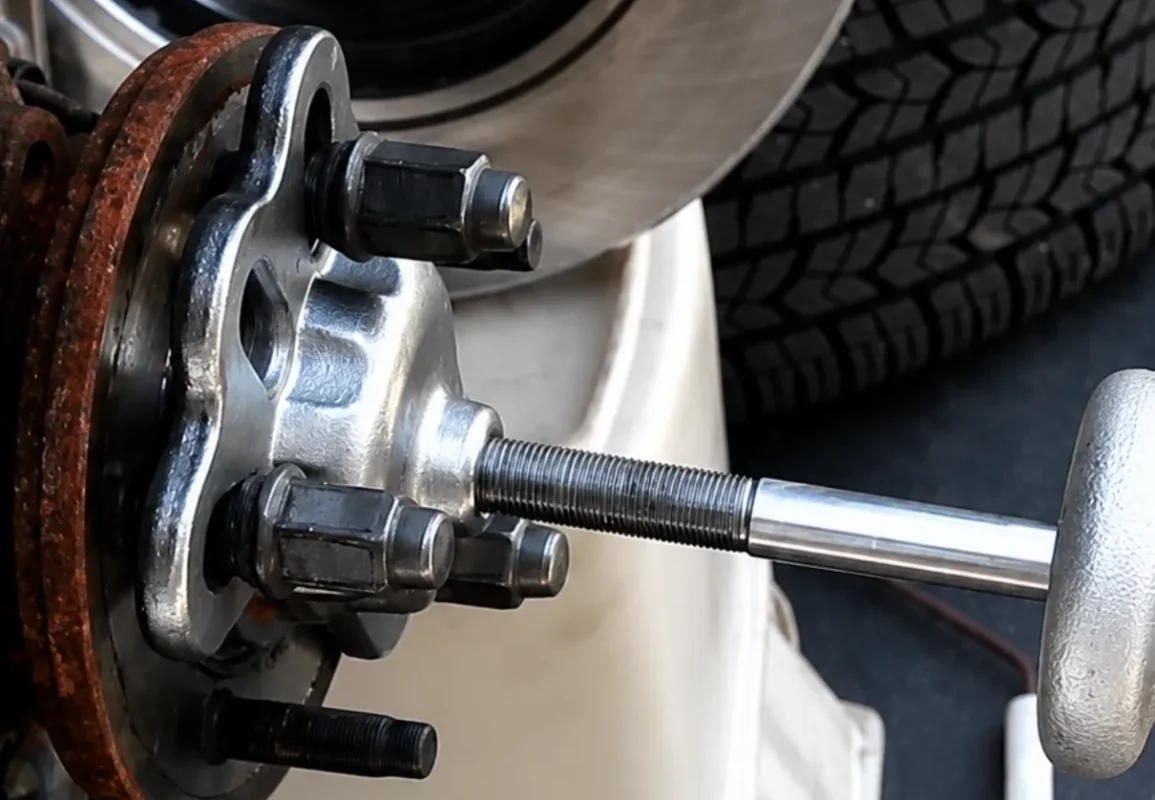
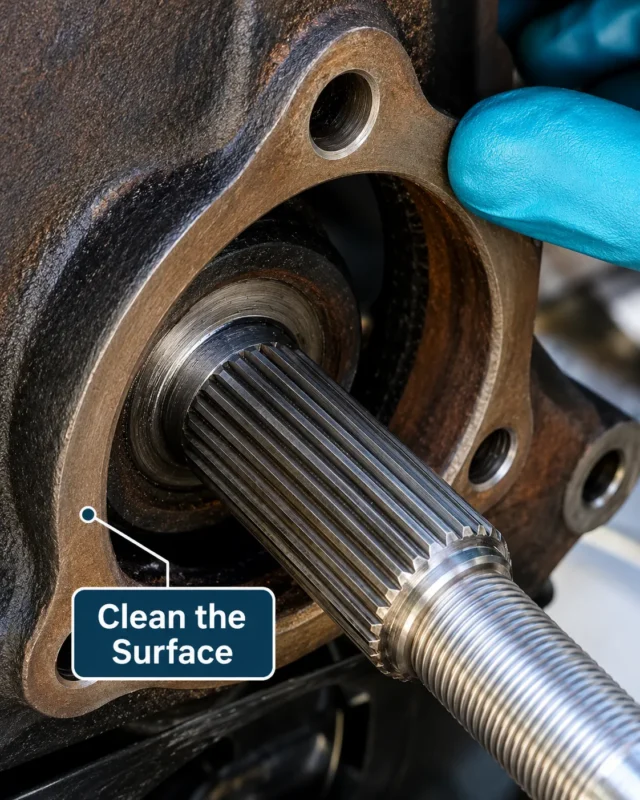
Step 6. Clean the Surface
Before installing the new bearing hub, you need to clean the surface. This helps make sure the new bearing hub can sit correctly and work better.
Step 7. Replace the Bearing Assembly
If your bearing hub has an ABS sensor, remove the ABS sensor by following the wire direction and taking it off carefully.
Place the new hub bearing assembly into the knuckle and onto the axle. Start all hub mounting bolts by hand first to avoid cross-threading.
Then tighten the bolts evenly and torque them with a torque wrench. Put the ABS sensor back with the bolts and plug it into the engine section.
Step 8. Reassemble the Brakes
Reinstall the brake caliper and caliper bracket assembly. Tighten the caliper bracket bolts to the correct specification.
Step 9. Reinstall the Wheel
Reinstall the wheel and torque the lug nuts to specification. After the replacement, test drive the vehicle at low speed first. Listen for abnormal noise and check whether the steering feels stable.
If the vehicle has ABS, traction control, or stability control systems, make sure the warning lights are not on after the repair.
Part 6. Where to Buy a Wheel Bearing?
Now you know the basic steps for replacing a wheel bearing. But what if you do not have the right wheel bearing or wheel bearing hub assembly?
No worry. You can contact BKZ Industry. As a bearing manufacturer with 15 years of experience, 2 factories, and ISO certification, BKZ Industry can offer the wheel bearings and wheel bearing hub assemblies you need.
FAQS
A wheel bearing usually costs about USD 10 to USD 200 per wheel, and a wheel bearing hub assembly usually costs about USD 20 to USD 500 per wheel. The labor cost is usually about USD 100 to USD 450 per wheel. In most modern vehicles, replacing a wheel bearing often means replacing the whole wheel bearing hub assembly. So the total replacement cost is usually about USD 120 to USD 950 per wheel, depending on the vehicle model, bearing type, and labor cost.
In general, wheel bearings can last about 85,000 to 100,000 miles under normal driving conditions.
It is not recommended to keep driving with a bad wheel bearing. A damaged wheel bearing can create noise, heat, vibration, and unstable wheel movement. If the damage becomes worse, the bearing may seize, damage other wheel parts, or affect driving safety.
Ending Note
After reading this whole guide, you should now know what a wheel bearing is, the difference between a wheel hub and a wheel bearing, the signs of a bad wheel bearing, and how to replace and buy a wheel bearing.
If you cannot find a suitable wheel bearing manufacturer, you can contact BKZ Industry. With 2 factories and 15 years of bearing manufacturing experience, BKZ Industry can offer the wheel bearings and wheel bearing hub assemblies you need.